Incontinence, though often not discussed openly due to associated stigmas, is a prevalent concern affecting millions globally. It is a condition that impacts people’s lives both physiologically and psychologically, causing distress and a decrease in quality of life. The inability to control bladder or bowel functions can lead to various challenges in daily activities, social interactions, and personal comfort.
However, with the advent of a variety of incontinence aids, individuals dealing with this condition have more opportunities to manage their symptoms effectively, enhance comfort, and regain confidence.
Understanding Incontinence
Incontinence is typically categorized into several types, including stress, urge, overflow, functional, and mixed, each presenting its own set of challenges. Regardless of the type, the primary concern for individuals facing this condition is finding ways to manage their symptoms discreetly and efficiently.
Recognizing this need is the first step in empowering oneself to seek the appropriate resources and support for incontinence management.
Choosing the Right Incontinence Aids
Selecting the appropriate incontinence aids can be a daunting task, given the multitude of options available. From absorbent pads and protective underwear to bed protectors and skin care products, each aid is designed to cater to different levels of severity and lifestyle requirements. The choice is not merely about function; it also encompasses comfort, ease of use, and how well it fits into one’s daily routine.
Finding the right aid begins with an honest assessment of one’s needs. The severity of symptoms, how often accidents occur, and daily routine considerations all influence which products work best for each person. For instance, an active individual may need a more discreet and secure aid that can withstand movement without compromising on absorbency.
Pads and Liners
Absorbent pads and protective liners represent the go-to solutions for most people managing bladder control issues. They are designed to be worn inside regular underwear, offering a balance between absorbency and discretion. These products come in various shapes, sizes, and absorption levels, catering to light, moderate, or heavy incontinence. The effectiveness of pads and liners is highly dependent on choosing the right size and absorbency to prevent leaks and ensure comfort.
Protective Underwear and Briefs
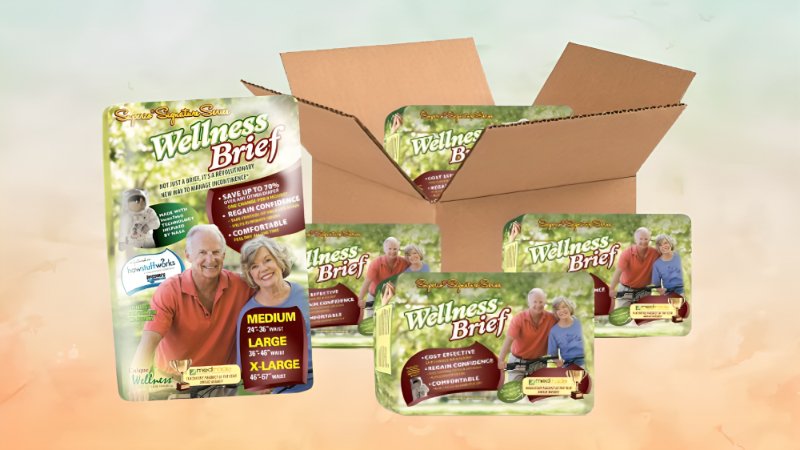
Another popular choice is protective underwear and briefs, which provide a higher level of protection compared to pads. They are available in both disposable and reusable forms, with the latter being more environmentally friendly and cost-effective in the long run. These aids are crafted to look and feel like regular underwear but with the added benefit of absorbent materials that lock in moisture and prevent odors.
See also: How to Get Blog thehealthyprimate.org – Your Guide to Wellness-Focused Content
Beyond Absorbent Products: Furniture and Bed Protection
While absorbent products are crucial, it’s important to consider protective items for furniture and bedding. Mattress covers, waterproof bed pads, and chair protectors help safeguard personal possessions and maintain hygiene in one’s living environment. These products are essential in providing peace of mind, especially during the night or for those with heavy or unpredictable incontinence.
Skin Care and Cleanliness
In managing incontinence, skin care is paramount. Persistent moisture and exposure to urine or feces can lead to skin irritation, infection, and discomfort. Incorporating specialized wipes, creams, and washes into your daily routine can help prevent these issues, maintain skin integrity, and enhance overall comfort.
Furthermore, it’s essential to maintain a hygienic routine when using incontinence aids, which includes regular changes and proper disposal of used products. This not only supports skin health but also contributes to personal dignity and social confidence.
Consultation with Healthcare Professionals
Speaking with a healthcare professional should be your first step when choosing bladder protection products. They can provide an in-depth analysis of an individual’s specific condition and guide them toward the most suitable products. Additionally, healthcare providers can offer valuable advice on managing incontinence through lifestyle changes, physical therapy, or medical treatments, if necessary.
Financial considerations are another aspect of navigating incontinence aid options. While many products are reasonably priced, individuals with long-term needs should consider the cumulative costs. Exploring insurance coverage, subsidies, and bulk purchasing can help alleviate financial pressure.
Emotional and Social Support
It is equally important to address the emotional and social implications of incontinence. Support groups, counseling services, and open communication with loved ones can lessen the psychological burden. Accepting the condition and seeking emotional support enables individuals to cope more effectively and maintain a positive outlook on life.
In conclusion, living with incontinence requires a multi-faceted approach that encompasses finding and using the right incontinence aids, maintaining skin health, seeking professional guidance, and receiving emotional support. The goal is not merely to manage the physical symptoms but to ensure that individuals lead active, comfortable, and confident lives despite their condition.
Innovations and Advancements
The incontinence product industry is continually evolving, with innovations focused on enhancing comfort, absorption, and discretion. It is worth staying informed about new advancements and technologies in incontinence management that may offer enhanced solutions and even a better quality of life.
In summary, while incontinence may pose significant challenges, it need not define one’s life. Through practical management strategies, the use of appropriate incontinence aids, and supportive networks, individuals can navigate their condition with dignity and poise. It’s about discovering the right balance between effective management and the ability to enjoy daily activities without constant worry or discomfort.
Keep in mind that bladder control challenges are health conditions requiring care, not sources of embarrassment. Using proper strategies and support systems allows people to navigate these issues with dignity and confidence.

Lucas is a writer at Magazine Outstanders, with 3 years of experience covering business, technology, health, and lifestyle topics. He specializes in turning complex ideas into clear, well-researched, and engaging articles that keep readers informed and inspired. Driven by curiosity and a passion for storytelling, Lucas strives to deliver content that is accurate, valuable, and easy to connect with.