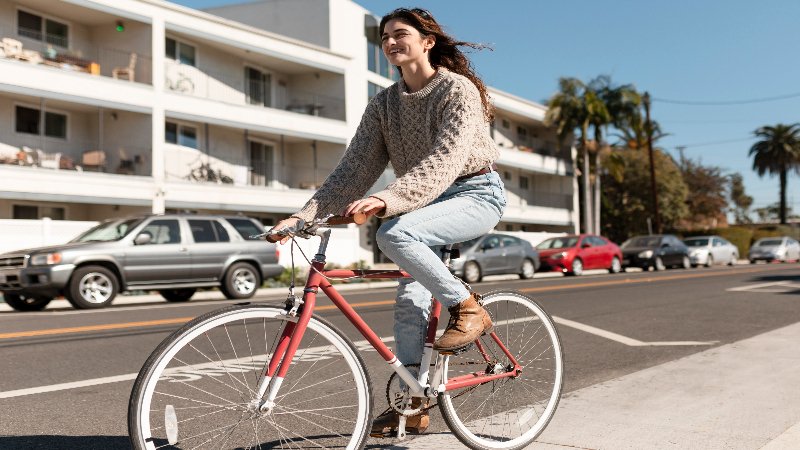
Riding a bike is not limited to weekend warriors or the ultra-fit individuals. For millions, it’s woven into their daily rhythm — a reliable companion through commutes, grocery runs, or even just mental reset rides through the neighborhood. As cities evolve and embrace cycling culture, the idea of “just hopping on a bike” has matured into something thoughtful, intentional, and community-driven.
Whether you ride a single-speed cruiser or a full-carbon road machine, it’s often the little things — not just the bike itself — that shape the experience.
Why City Cycling is Booming
Across the globe, more people are trading car keys for pedals. Urban cycling has experienced significant growth due to rising fuel prices, heightened environmental awareness, and a growing emphasis on wellness. But there’s something else at play: freedom.
Unlike driving, cycling allows you to move freely, bypass traffic, and connect with the physicality of your city in ways that walking or driving simply can’t match.
Building Your Ideal Riding Setup
Your bike might be the centerpiece, but it’s everything around it that determines whether your rides are fun, smooth, or a struggle.
What Really Matters in Comfort?
A comfortable ride is all about fit and fine-tuning. It’s not just about the size of your frame — it’s about how every touchpoint supports you.
- Your saddle distributes weight across your sit bones
- Your grips or bar tape absorb vibration
- Your pedals determine leg extension and power
- Your gloves protect your hands, improve grip, and reduce numbness
High-quality biking gloves make a noticeable difference by adding a layer of cushioning and support to one of your primary points of contact with the bike.
How to Find the Right Fit
Bike shops are a great starting point, especially for new riders. Even a quick assessment can reveal posture tweaks, saddle angle adjustments, and bar height improvements that make a huge difference.
Many experienced riders also suggest small incremental changes — shifting your seat height by just a few millimeters or experimenting with handlebar width until your setup feels natural.
Everyday Gear Essentials (Beyond the Bike)
- Reflective jacket or vest for visibility at dusk
- Small hand pump or CO₂ inflator
- Waterproof panniers or backpack
- Phone mount for easy navigation
- Reusable coffee cup for your mid-ride detour
These unflashy items keep you going, even when the weather or time is against you.
Weather-Proofing Your Ride
Seasoned cyclists know: it’s not about the weather, it’s about preparation. Once you’re dressed right and your gear’s protected, most weather just becomes part of the ride.
Cold Mornings and Layer Logic
Early morning rides in spring or fall can chill you to the core if you’re not layered properly. The trick is to dress in lightweight layers you can peel off as you warm up.
Start with a moisture-wicking base layer, add a thermal jersey or light insulated jacket, and keep a windbreaker in your bag just in case. Don’t forget gloves — even in moderate cold, wind against your hands can turn uncomfortable fast.
Summer Heat and Smart Cooling
When it’s hot, it’s not just about staying cool — it’s about staying dry. Sweat evaporating is your body’s way of cooling you down, so breathable jerseys and mesh helmets help. Hydration becomes non-negotiable.
Tip: Freeze your water bottle halfway before topping it up in the morning. You’ll thank yourself by mile four.
Riding in the Rain Without Regret
Waterproof gear pays for itself the first time you get caught in a storm. Combine that with fenders to stop wheel spray and waterproof gloves to keep your grip secure even when the handlebars are slick.
Exploring Beyond the Bike Lane
Sometimes the best parts of a ride aren’t on Google Maps. They’re in the quiet side roads, gravel paths, and tree-lined trails just outside your normal route.
Curiosity Makes for Better Cyclists
Riding the same path every day is practical, but exploration builds confidence and expands your knowledge of the city. Take a turn you’ve never taken. Follow a trail you’ve only ever noticed out of the corner of your eye.
Often, these detours reveal:
- Quiet neighborhood cafés
- Community gardens
- Murals and local art
- Dog parks and green spaces
Cycling transforms the way you understand your city — turning daily travel into a series of micro-adventures.
Group Rides: Not Just for Lycra
Local ride groups aren’t all racers and speed demons. Many cities have social cycling clubs that welcome casual riders, offering slow-paced evening rides, coffee meetups, or themed weekend routes.
It’s an excellent opportunity to gain knowledge from seasoned riders, find motivation to continue pedaling, and explore new routes with companionship.
Three Signs Your Ride Needs an Upgrade
- You’re feeling tingling or numbness in your hands after 30+ minutes
- Your backpack feels heavier than your bike
- You avoid rides over five miles because something always hurts afterward
Sometimes the answer isn’t a new bike — it’s the right accessories, like upgraded contact points or proper biking gloves to protect your palms and reduce fatigue.
Making Biking a Lifelong Habit
Like any habit, biking consistently comes down to structure and momentum. Once it’s part of your rhythm, it doesn’t feel like exercise — it feels like freedom.
Creating Routines That Stick
Try stacking biking with existing habits:
- Ride to your favorite lunch spot once a week
- Replace a short drive with a ride twice a week
- Join a local bike challenge or mileage tracker for fun accountability
Pair your rides with positive rewards: podcasts, scenic routes, or meetups. This emotional reinforcement is stronger than willpower alone.
Listening to Your Body
Cycling is low-impact, but it still stresses muscles, joints, and contact points. Rest days are important, as are proper stretches — especially for your hips, back, and wrists.
If something hurts every ride, it’s a sign to check your setup. A small change to your bar position or saddle tilt can relieve hours of discomfort down the line.
Sustainability Over Speed
It’s tempting to chase stats and personal bests, but longevity comes from enjoyment. Go slow. Stop when something catches your eye. Make room for breaks.
Most lifelong riders aren’t chasing KOMs — they’re chasing clarity, connection, and a sense of presence on the road.
What’s in a Commuter’s Saddlebag?
- Flat repair kit
- Bike lock
- Portable light set
- Lightweight snacks
- Extra gloves (wet mornings happen)
Final Thoughts
The best rides often don’t come from racing to a destination but from the in-between moments. A cool breeze, a smooth turn, and a familiar street at a new hour all contribute to the best rides. Whether you’re a daily commuter or someone just rediscovering two wheels, the ride becomes your own the moment you make it a habit.
Sometimes, it’s the gear that keeps you going. Other times, the quiet carries you forward. In some moments, it’s the biking gloves that let you push just a little farther without discomfort. But at the heart of it all, it’s the freedom and clarity that riding brings — one pedal stroke at a time.

Lucas is a writer at Magazine Outstanders, with 3 years of experience covering business, technology, health, and lifestyle topics. He specializes in turning complex ideas into clear, well-researched, and engaging articles that keep readers informed and inspired. Driven by curiosity and a passion for storytelling, Lucas strives to deliver content that is accurate, valuable, and easy to connect with.