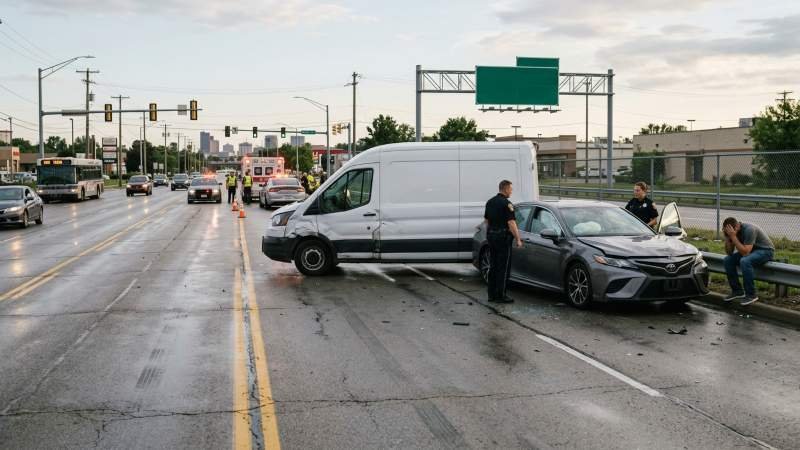
A motorcycle accident can be a traumatic and overwhelming experience, often leaving victims confused about what to do next. In the chaos immediately after a crash, emotions run high, and mistakes can easily occur—mistakes that may impact physical recovery and the ability to secure fair compensation. Understanding which paths to avoid can be just as valuable as recognizing the ones worth pursuing.
Motorcycle accidents are unfortunately common in St Louis, where busy highways like I-64, I-70, and I-44, along with congested urban streets, pose significant risks for riders.
The city experiences heavy commuter traffic, unpredictable weather conditions, and frequent construction zones, all contributing to a higher percentage of serious motorcycle collisions. Understanding the right steps after an accident helps protect victims physically, legally, and financially.
After a crash, contacting a St Louis motorcycle accident lawyer can make a major difference in how the claim is handled. An experienced attorney can help prevent common mistakes, deal with insurance providers, and ensure the victim’s rights remain protected. Legal representation becomes crucial when injuries are severe, fault is disputed, or insurance companies attempt to minimize compensation.
Do Not Leave the Accident Scene
Leaving the site of the accident before authorities arrive can result in legal issues and weaken an insurance claim. Even if the incident appears minor, victims should remain until police create an official report. A documented accident record is essential for proving the truth later.
Moving away without exchanging information or waiting for emergency assistance can also be perceived as admitting fault.
Do Not Refuse Medical Treatment
Many motorcycle accident injuries are not immediately visible due to shock and adrenaline. Internal injuries, concussions, or spinal damage can worsen without early medical evaluation. Refusing treatment allows insurance companies to claim injuries are unrelated or exaggerated.
Getting medical attention immediately helps protect both your health and your legal case.
Do Not Apologize or Admit Fault
Victims often feel compelled to apologize out of politeness, but even a casual apology may be used against them. At the scene or when speaking with insurance companies, avoid making statements about blame. Fault is determined using evidence, laws, and expert investigation—not personal assumptions.
Stick only to factual information, such as location and visible injuries.
Do Not Discuss the Accident on Social Media
Posting photos or updates online can seriously damage a claim. Insurance companies monitor social media and may use posts to argue that injuries are not serious or contradict statements made in the claim.
Keeping details private prevents misinterpretation or manipulation of information.
Do Not Accept the First Insurance Offer
Insurance companies often try to resolve claims as fast and inexpensively as possible. Initial offers rarely cover the full cost of medical care, lost income, motorcycle repairs, and long-term treatment. Accepting early settlements prevents victims from seeking additional compensation later.
Always review offers with an attorney before signing anything.
Do Not Delay Contacting a Lawyer
Waiting too long to seek legal guidance makes gathering evidence more difficult. Witnesses forget details, surveillance systems erase footage, and physical evidence disappears. An attorney makes sure you meet claim deadlines and preserve critical evidence.
Key Takeaways
- The moments after a motorcycle accident are critical, and avoiding common mistakes can protect both health and legal rights.
- St. Louis road conditions and traffic patterns contribute to a higher risk of severe motorcycle crashes.
- Hiring a motorcycle accident lawyer ensures victims receive support, guidance, and strong representation.
- Avoid apologizing, refusing medical help, speaking to insurance companies without legal advice, or posting online.
- Never accept the first settlement offer without fully understanding the long-term financial impact.
See Also: The Legal Steps Every Rider Should Take Before Hitting the Road

Lucas is a writer at Magazine Outstanders, with 3 years of experience covering business, technology, health, and lifestyle topics. He specializes in turning complex ideas into clear, well-researched, and engaging articles that keep readers informed and inspired. Driven by curiosity and a passion for storytelling, Lucas strives to deliver content that is accurate, valuable, and easy to connect with.