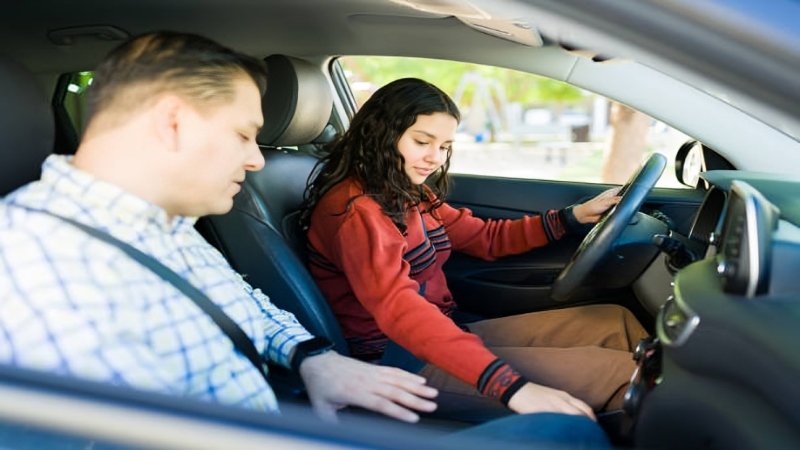
Watching a teenager get behind the wheel for the first time is a moment mixed with pride and just a hint of trepidation. It’s a massive milestone. Suddenly, the world opens up for them. They have the freedom to drive to college, pick up friends, or just explore. But alongside teaching them how to parallel park or merge onto a dual carriageway, there is another layer of education that is just as vital: knowing what to do when things don’t go according to plan.
Equipping young drivers with basic emergency procedures isn’t about scaring them. It is about empowerment. When you give them the tools to handle a breakdown or a minor bump, you aren’t just teaching them car maintenance; you are building resilience.
Build Confidence Through Knowledge
Think about how you feel when you know exactly how to fix a problem. It feels good, doesn’t it? Teenagers are no different. Anxiety often stems from the unknown. If a tyre blows out on a country lane, panic is the natural first reaction for an unprepared driver. However, a teen who has practised changing a wheel in the safety of their driveway will see it differently. They will see it as a task to be completed rather than a disaster.
Take the time to walk them through the basics. Show them where the spare wheel is, how the jack works, and where the locking wheel nut key is hiding. Go through the vehicle handbook together. It might seem mundane, but this knowledge transforms a potential crisis into a manageable inconvenience. It turns “I’m stranded” into “I can sort this.”
The Importance for Foster Carers and Parents Alike
For those of you fostering teens with the help of agencies like Fostering People, the responsibility can feel even weightier. Fostering teens often involves guiding them towards independence in a relatively short space of time. Many young people in care may not have had a consistent figure to teach them these life skills previously. By taking the time to explain jump leads or how to check oil levels, you are demonstrating that you care about their safety and their future.
It is a bonding experience, too. Leaning over an open bonnet, getting a bit of grease on your hands, and laughing when you can’t quite loosen a bolt creates a shared memory. It builds trust. Whether you are a biological parent or a foster carer, these practical lessons show the teenager that you believe in their capability to handle the adult world.
Safety First, Panic Second
Beyond mechanics, emergency procedures include knowing who to call and what to say. Does your teen know their breakdown cover policy number? Do they know that on a motorway, they should get out of the car and stand behind the barrier? These are simple protocols, yet they save lives.
Encourage them to keep an emergency kit in the boot. A high-vis jacket, a torch, a first aid kit, and a portable phone charger are essentials. Helping them assemble this kit is a positive, proactive step. It sends the message: “We hope you never need this, but you are smart enough to be ready if you do.”
A Skill for Life
Teaching emergency procedures is about building a mindset of preparedness. It encourages young drivers to respect the machine they are operating and the road they are travelling on. It moves them away from being passive passengers in their own lives to being active, responsible drivers.
When they drive away solo, you want to know they can handle the unexpected. You want them to have that quiet confidence. By investing time now to teach them the basics, you are giving them a safety net that travels with them, long after they have left your driveway. It is one of the most practical, enduring gifts you can offer.