For many people, the word fat triggers fear when it comes to weight management. But not all fats are created equal. In fact, healthy fats for weight loss play a pivotal role in fueling the body, regulating hunger, and supporting overall metabolic health.
Understanding the distinction between good fats vs bad fats is essential to building a balanced diet that promotes long-term success. Healthy fats not only provide vital nutrients but also contribute to fat metabolism and weight loss in ways that are often overlooked in typical diet plans.
In this article, we will explore how healthy fats support sustainable weight loss, why they matter, and how to incorporate them into your everyday eating habits within a comprehensive weight program for weight loss.
Fats: An Essential Part of Human Nutrition
Fats have been unfairly demonized in past decades, with low-fat diets dominating weight loss trends. However, modern research confirms that fats are a necessary macronutrient.
Dietary fat:
- Helps absorb fat-soluble vitamins like A, D, E, and K
- Plays a role in hormone production
- Supports brain function and cell structure
- Provides a concentrated source of energy
The key lies in the type of fat consumed.
Good Fats vs Bad Fats
Understanding the difference between good fats vs bad fats is critical. Not all fats contribute to health in the same way.
Good fats include:
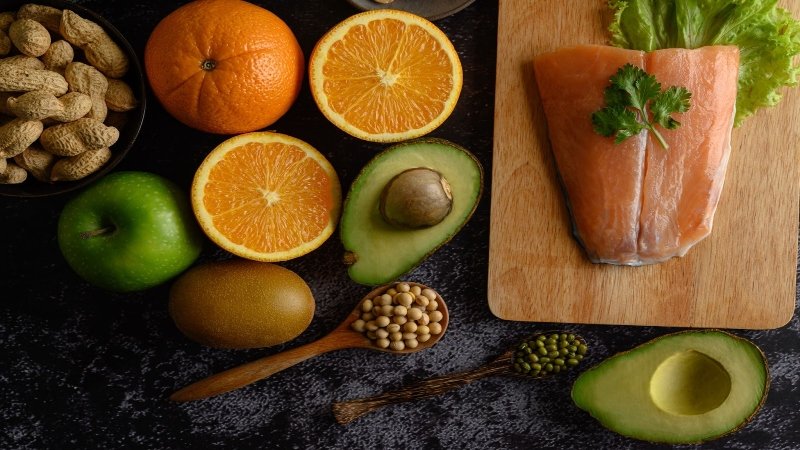
- Monounsaturated fats found in avocados, nuts, and olive oil
- Polyunsaturated fats, including omega-3 and omega-6 fatty acids
- Fatty fish rich in omega-3s like salmon, mackerel, and sardines
Bad fats include:
- Trans fats found in many processed foods
- Excessive saturated fats when consumed in highly processed forms
Choosing quality sources of fat helps improve cholesterol levels, reduce inflammation, and support overall health without sabotaging weight loss goals.
The Link Between Fats and Sustainable Weight Loss
Contrary to outdated beliefs, consuming healthy fats can help reduce cravings and keep you fuller longer. This effect plays a powerful role in fats for sustainable weight loss.
When you eat foods rich in healthy fats, your body slows digestion, providing steady energy and helping you feel satisfied after meals. This helps prevent the cycle of hunger and overeating that undermines many calorie-restricted diets.
Healthy fats also support:
- Balanced blood sugar levels
- Improved insulin sensitivity
- Decreased cravings for high-carbohydrate snacks
- Increased satiety after meals
All of these factors create an environment where sustainable fat loss becomes easier and more natural.
How Fats Influence Fat Metabolism and Weight Loss
Many people think of dietary fat as directly turning into body fat, but the science is more nuanced. Fat metabolism and weight loss are governed by complex hormonal and biochemical processes.
Healthy fats can positively influence:
- Metabolic rate
- Hormonal balance
- Fat oxidation (the process of breaking down fat for energy)
- Energy expenditure
When the body receives high-quality fats, it becomes more efficient at using stored fat for fuel. This is especially true when healthy fats are paired with adequate protein and balanced carbohydrate intake.
This holistic approach to nutritional balance is far more effective than eliminating fat altogether.
Exploring Omega-3 Fatty Acids and Weight Loss
One of the most studied categories of healthy fats is omega-3 fatty acids. Omega 3 fatty acids weight loss benefits extend beyond cardiovascular health. These essential fats help regulate key metabolic pathways, reduce inflammation, and influence appetite.
Research shows that omega-3 fatty acids can:
- Improve insulin sensitivity
- Reduce hunger hormones
- Support lean muscle maintenance
- Enhance fat oxidation during physical activity
Fish like salmon, sardines, and trout, as well as plant sources like chia seeds and walnuts, are excellent sources of omega-3s. Including them in your diet supports both health and weight loss efforts.
Timing and Balance: Fats Within a Weight Program
Incorporating healthy fats strategically within your weight program for weight loss can optimize results without increasing total calorie intake excessively.
Some practical strategies include:
- Adding a handful of nuts to breakfast for sustained energy
- Drizzling olive oil on salads for a satisfying texture
- Including fatty fish twice per week to support metabolic functions
- Pairing fats with vegetables and lean protein to balance meals
These habits help prevent mid-day energy crashes, reduce snack cravings, and offer nutrient-dense calories that support long-term adherence to your plan.
Healthy Fats and Appetite Control
One of the biggest hidden benefits of healthy fats is their ability to control appetite naturally. Dietary fats modulate the release of satiety hormones such as cholecystokinin and peptide YY. When these hormones signal fullness to the brain, you are less likely to overeat or reach for unhealthy snacks.
Moreover, foods that combine fiber and healthy fats, such as avocado with vegetables or nuts with fruit, offer a double boost for appetite control. This is a powerful reason why incorporating fats into meals contributes to sustainable weight loss, rather than derailing it.
Avoiding the Common Pitfalls
Although fats are beneficial, they are calorie-dense. One gram of fat contains nine calories, compared with four calories per gram for protein or carbohydrates. This means portion control is essential, even with healthy fats.
Common mistakes include:
- Overusing oils while cooking
- Snacking excessively on nuts
- Adding too many high-fat toppings to meals
While these foods are healthy, they should be integrated thoughtfully as part of a balanced diet. Pairing fats with nutrient-rich vegetables, lean proteins, and complex carbohydrates ensures a diet that supports both health and fat loss.
Beyond Weight Loss: Fats and Overall Wellness
Healthy fats support more than just weight loss. They are foundational to:
- Brain health
- Hormone regulation
- Heart health
- Skin and hair quality
- Immune function
This broad range of benefits helps create a healthier internal environment that supports long-term weight management.
Understanding the different types of fats helps demystify how dietary choices influence body composition and health outcomes.
Integrating Healthy Fats With Other Macros
Fats work synergistically with other macronutrients. For example:
- Pair fats with protein at breakfast to curb mid-morning hunger
- Combine fats with fiber to support digestion and stable blood sugar
- Use fat as a flavor enhancer to make vegetables and whole foods more satisfying
Balancing fats with carbohydrates and protein encourages steady energy levels and reduces the risk of sugar highs and lows that lead to cravings.
This balanced approach aligns with proven nutritional science and supports sustainable fat loss rather than quick fixes.
Mindful Eating and Healthy Fats
A mindful approach to food helps amplify the benefits of healthy fats. Understanding hunger cues, savoring textures, and appreciating the role of fats in satiety contribute to healthier choices.
Mindful eating helps avoid common pitfalls such as:
- Eating while distracted
- Choosing foods for emotional comfort
- Consuming fats without awareness of portion size
By connecting food with physical hunger and pleasure, healthy fats become part of a nourishing eating pattern rather than a fear-based food group to avoid.
Creating a Long-Term Eating Mindset
Sustainable weight loss is not about temporary restriction. It is about reshaping the way you eat for life. Healthy fats are a vital part of this transformation.
Rather than viewing fats as an enemy, recognize their place in:
- Appetite regulation
- Nutrient absorption
- Metabolic function
- Long-term satisfaction
Incorporating them wisely creates a more enjoyable, less restrictive path to your goals.
The Role of Fats in Balanced Diet Plans
A well-designed weight program for weight loss includes a thoughtful balance of fats, proteins, and carbohydrates. Reducing fat dramatically, as many outdated diets advise, often leads to rebound hunger and poorer long-term adherence.
Instead, integrating moderate amounts of healthy fats with other food groups improves meal quality and supports lasting lifestyle change. This is a key principle in effective nutritional strategies.
Practical Foods to Include
Here are some excellent sources of healthy fats for weight loss:
- Avocados and guacamole
- Olive oil and olives
- Nuts and seeds such as almonds, walnuts, chia, and flax
- Fatty fish rich in omega-3s such as salmon and sardines
- Nut butters without added sugar
- Full-fat yogurt and cheese in moderation
These foods deliver quality fats along with other essential nutrients, contributing to a balanced, satisfying diet.
Conclusion
Healthy fats are powerful allies in a sustainable weight loss journey. By understanding the difference between good fats vs bad fats and how fats influence appetite, satiety, metabolism, and overall health, you can design a diet that supports long-term success.
Rather than fearing fat, embrace the role it plays in nourishing your body and supporting your goals. Integrate high-quality fats thoughtfully, pair them with balanced meals, and approach your diet with awareness and intention.
Your body needs fuel that supports not just weight loss but overall health. Healthy fats are a key piece of that puzzle. With the right knowledge and approach, you can utilize them to feel full, energized, and confident on your path to long-term wellness.