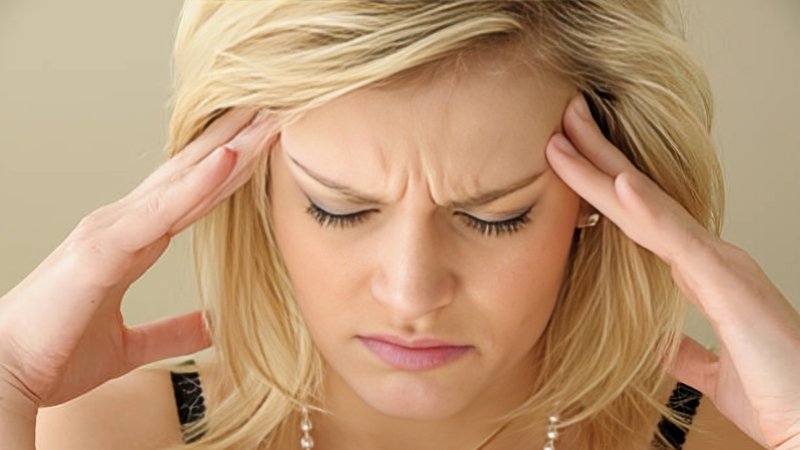
Botox cosmetic or Botox medical sessions have become common among people. Some people get headaches soon after therapy. If you know how to deal with this discomfort, it can facilitate the healing process.
Why Headaches Occur After Botox
The first question many people wonderingly ask is, can Botox cause headaches? Yes, there are several possible reasons why headaches can occur after a Botox injection. The process requires a very thin needle to go into certain facial muscles while potentially also irritating some nerves.
Another possible factor is tension or anxiety before and during the session. In a few rare cases, the body can react to some of the ingredients used during the process.
Identify the Symptoms
Less severe headaches typically begin within a few hours after the procedure. These pains can be an ache or just pressure around the forehead or temples. A person may also experience mild sensitivity to light or sound. Although rare, severe headaches need to be treated quickly. Addressing these symptoms helps you determine whether or not they want medical assistance.
Stay Hydrated and Rest
Staying hydrated is a major factor in the alleviation of any discomfort. Periodically sipping fluids can help, as dehydration can aggravate headaches. Resting in a dark and quiet environment may help. Slow breathing, listening to soft music, and other gentle relaxation techniques may relax muscle tension. Giving the body time to recuperate often reduces the headache duration.
Use Over-the-Counter Remedies With Caution
Many people find relief with common pain relievers, such as acetaminophen. However, it is best to avoid products containing nonsteroidal anti-inflammatory drugs unless recommended by a provider. These medicines can sometimes increase the risk of bruising after injections. Always follow the guidance of a healthcare professional before taking any medication.
Apply Cool Compresses
Applying a cool washcloth on the forehead or temples will provide a cooling sensation. The cool touch assists in decreasing inflammation and might help lessen discomfort. Dab with a gentle cloth or an ice pack wrapped in clothing to prevent burning the skin. Sessions lasting 10–15 minutes generally provide immediate relief.
Monitor for Unusual Symptoms
Fortunately, the majority of Botox headaches are mild and short-lived. But people have to be on the lookout for symptoms like blurred vision, chronic vomiting, or facial paralysis. These symptoms could potentially indicate a rare complication requiring immediate medical attention. Seek the guidance and reassurance of your health care professional as soon as possible.
Communicate With the Provider
Before and after Botox, it is vital to have open communication with the provider. By reporting adverse events, specialists can provide more personalized advice. Providers can reassure patients and suggest ways to manage their symptoms. Additionally, they could suggest adjustments for upcoming appointments to reduce the likelihood of headaches.
Practice Gentle Self-Care
To prevent headaches from becoming more severe, refrain from vigorous activity for 24 hours following treatment. A low-stress light meal and easy, nutritious food can help others relieve some discomfort. Avoid even light-pressure facial massages within the time frame after an injection, as such activities may influence results.
Consider Preventive Measures for Future Sessions
Telling your history of headaches will guide professionals to give you the right type of care. Thus, if required, the injection technique will be mildly modified; switching to a different needle size can relieve the pain. For headache-prone people, appointments should be scheduled at times of day that are less stressful. A headache diary helps in noting down all the patterns as triggers.
When to Seek Medical Help
Although the majority of headaches resolve within 48 hours, some headaches will continue or even worsen. However, if intense pain persists or any other worrying symptom appears, it is important to see a doctor. Identifying and treating rare problems promptly is crucial.
Conclusion
Headaches after Botox can be alarming, but there are practical steps you can take to alleviate symptoms. These simple things, such as staying hydrated, resting, and communicating with a provider, all help aid a more successful recovery. Keeping track of symptoms as a form of self-care enables people to reap the rewards of treatment and reduce negative side effects.
See Also: How To Enhance Healing And Wellbeing After Injuries