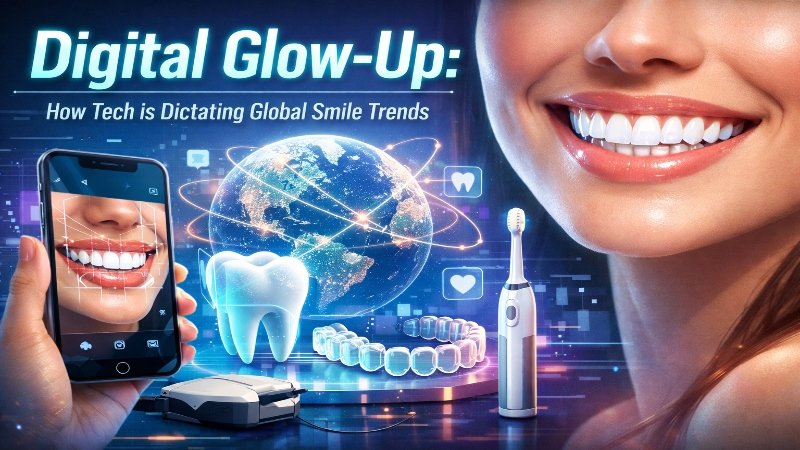
The intersection of dental science and digital innovation has fundamentally altered how we perceive beauty. In the past, a “perfect” smile was often a cookie-cutter result—a row of uniform, ultra-white teeth that frequently looked out of place. Today, the global aesthetic has shifted. We are entering an era where technology doesn’t just improve dental health; it dictates the very trends that define a modern, attractive appearance. This digital glow-up is moving away from artificial perfection and toward a highly personalised, tech-driven aesthetic.
The Rise of the “Instagrammable” Aesthetic
Social media remains the primary driver of global smile trends. High-definition cameras and filter-heavy platforms like TikTok and Instagram have made people more aware of their dental symmetry than ever before. However, the “filter” look is evolving. While the initial wave of digital influence pushed for blindingly white “Turkey Teeth,” the current trend is leaning toward “Quiet Luxury.” People now seek smiles that look expensive yet effortless. This shift is powered by sophisticated imaging software that allows clinicians to design teeth that mimic the light-reflecting properties of natural enamel, ensuring the digital ideal translates into a realistic physical result.
AI and Virtual Smile Simulations
Artificial Intelligence has removed the guesswork from cosmetic enhancements. Augmented Reality (AR) “smile simulators” now allow patients to see their potential results in real-time before a single procedure begins. This “try-before-you-buy” model has democratised cosmetic dentistry, making it more accessible and less intimidating. By using AI to analyse facial proportions, lip dynamics, and even skin tone, technology ensures that the final result is harmonised with the individual’s unique features. This precision is why more patients are seeking out a cosmetic dentist for natural-looking smile makeover options rather than settling for generic, bulky restorations.
3D Printing and Digital Scans: The End of Goopy Moulds
The digital workflow has overhauled the physical experience of dental work. Intraoral scanners have replaced the uncomfortable silicone moulds of the past, creating a perfect 3D digital twin of a patient’s mouth. This data is then sent to 3D printers or milling machines that craft veneers and crowns with micron-level accuracy. Because the fit is so precise, the restorations can be thinner and more durable, allowing for minimal intervention. This technology supports the trend of “micro-aesthetics,” in which tiny “imperfections”—such as slight rotations or varying translucency—are intentionally built into the design to make the smile look authentic rather than manufactured.
Biomimetic Materials and Longevity
Tech is also dictating the materials we use. The industry is moving toward biomimetic materials—substances that behave exactly like natural tooth structure. High-translucency zirconia and lithium disilicate are the stars of this movement. These materials respond to light in the same way natural teeth do, appearing slightly bluish at the edges and warmer at the base. As technology continues to bridge the gap between synthetic and organic, the longevity of these treatments has improved, making the “digital glow-up” a long-term investment rather than a temporary trend.
The Shift Toward “Pre-juvenation”
Digital diagnostics are also pushing a younger demographic toward preventative cosmetic care, often called “pre-juvenation.” By using digital tracking, dentists can predict how a patient’s smile will age, identifying potential wear and tear before it happens. This proactive approach uses clear aligners and conservative bonding to maintain a youthful appearance. It is no longer about fixing a problem; it is about using technology to curate a lifelong aesthetic.
As we look toward the future, the influence of technology will only deepen. From robotic-assisted implant surgery to AI-monitored teeth whitening, the tools at our disposal are becoming more intuitive. For those interested in how these advancements will continue to evolve, exploring the smile trends of 2026 reveals a fascinating glimpse into the next wave of dental fashion and technological integration.