Missing one or more teeth impacts more than just how you look. It can also make speaking, chewing, and maintaining proper oral health more difficult. Dental implants are now considered the leading solution for replacing missing teeth.
They provide a stable, natural-looking solution that restores both strength and appearance. If you’re looking for a permanent way to restore your smile, dental implant services near me may be exactly what you need.
Understanding how dental implants work, their benefits, and what the procedure involves can help you make an informed choice for your oral health. Implants offer a long-lasting alternative to bridges and dentures, restoring your function and confidence. Whether you’re missing a single tooth or several, dental implants could truly transform your smile and quality of life.
Before making a decision, it’s important to evaluate the cost, potential risks, and whether you’re a suitable candidate. In this guide, you’ll find a comprehensive overview designed to answer your questions, backed by the expertise of experienced dental professionals.
When navigating your dental care options, partnering with a trusted practice like North Orange Family Dentistry ensures you receive personalized care and expert guidance every step of the way.
Understanding Dental Implants
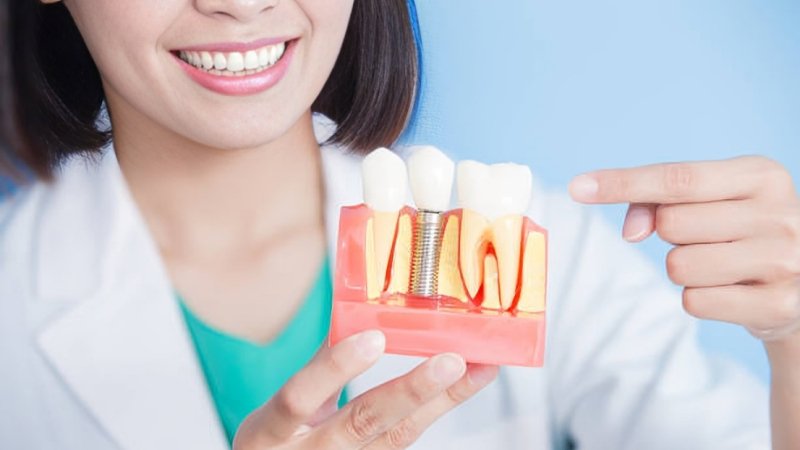
Dental implants are titanium posts that act as artificial roots, securely placed into the jawbone where teeth are missing. This strong foundation allows the dentist to mount replacement teeth, which can be individual crowns, bridges, or even dentures.
Unlike removable dentures or bridges that rest above the gums, implants fuse with the bone in a process called osseointegration, making them a permanent and stable solution.
The design and function of dental implants allow them to look, feel, and perform like natural teeth. They are customized to match the color and contour of your existing teeth, creating a seamless appearance and restoring your ability to chew and speak without worry.
Benefits of Dental Implants
- Natural Appearance: Implants are nearly indistinguishable from real teeth, blending in flawlessly with your smile.
- Improved Speech: Because they are permanently anchored, implants help you speak clearly—no slipping or mumbling caused by ill-fitting dentures.
- Enhanced Comfort: The secure fit of implants eliminates the discomfort often associated with traditional dentures.
- Durability: Dental implants are designed to last for decades, with many patients enjoying them for a lifetime with proper care and maintenance.
- Improved Oral Health: Unlike traditional dental bridges, implants don’t require alteration of neighboring healthy teeth, helping to preserve the integrity of your smile and jawbone over time.
Resources such as the Mayo Clinic offer helpful guidelines for patients interested in learning how implants contribute to oral health and wellness.
The Dental Implant Procedure
- Initial Consultation: Your dentist will perform a comprehensive exam, including imaging, to assess gum health, bone density, and overall suitability. A personalized treatment plan is created.
- Implant Placement: The implant is surgically inserted into the jawbone under local anesthesia for comfort.
- Healing Period: Over several months, the implant fuses with the bone, creating a stable foundation.
- Abutment Placement: After healing, a small connector called an abutment is attached to the implant, extending through your gumline.
- Final Crown Placement: A custom-made crown is secured to the abutment, restoring the appearance and function of your tooth.
Candidacy for Dental Implants
Ideal candidates for dental implants maintain healthy gums, have sufficient jawbone density, and practice good oral hygiene. While most people who are generally healthy can consider implants, chronic health conditions such as uncontrolled diabetes or heart disease may affect healing and require special attention.
Smoking and certain medications can also impact eligibility, so a comprehensive dental and medical review is necessary before proceeding.
Potential Risks and Considerations
Dental implants have a high success rate, but potential risks include:
- Infection at the implant site
- Nerve or tissue damage
- Sinus complications (for upper jaw implants)
These risks are rare when treatment is performed by experienced professionals. Johns Hopkins Medicine highlights the importance of proper planning and aftercare to minimize complications.
Cost and Insurance Coverage
The cost of dental implants varies depending on the complexity of the case, the materials used, and regional factors. While some dental insurance plans may contribute to treatment, they often limit coverage for implants.
Many dental offices offer flexible payment plans to help patients access the care they need; therefore, it’s essential to discuss pricing and options with your chosen provider.
Alternatives to Dental Implants
If implants aren’t suitable for you, other options can help restore function and appearance. Dental bridges attach to adjacent teeth for a stable, permanent solution. Removable dentures are a more affordable choice and can be taken out as needed.
Each restorative option has its own benefits and limitations. Your dentist can guide you toward the best solution for your needs and goals.
Conclusion
Dental implants offer a transformative way to restore your smile, function, and confidence. By replacing missing teeth with a stable, natural-looking prosthetic, you can enjoy life without the limitations associated with tooth loss.
Schedule a consultation with a trusted dental provider to determine if dental implants are the right solution for your unique needs, and take the first step toward reclaiming your smile today.