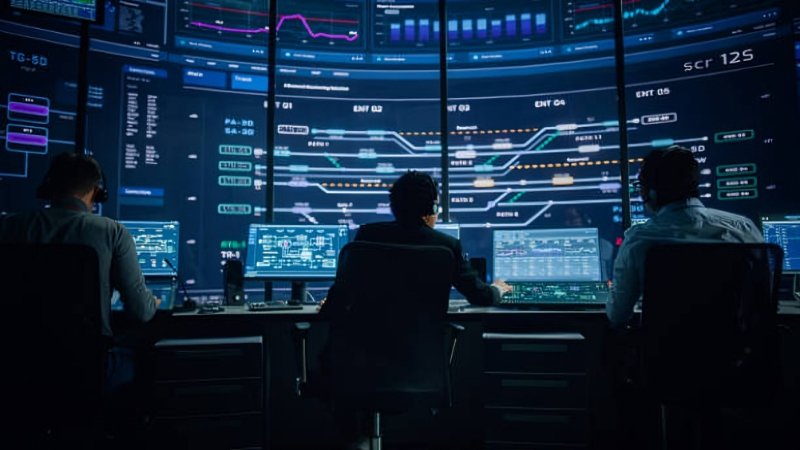
In an era defined by hybrid work, digital collaboration, and mounting performance expectations, employee monitoring software is evolving beyond simple activity tracking. The newest generation of AI-powered monitoring tools is designed not to police workers but to protect their well-being.
By using artificial intelligence and predictive analytics, companies can now spot early signs of stress, tiredness, and burnout—changing monitoring from a way to punish employees into a way to help them.
1. From Control to Care: The New Purpose of Monitoring
Traditionally, employee monitoring meant observing screen time, keystrokes, and idle minutes—a practice that often felt intrusive and mistrustful. But as work culture shifts toward empathy and sustainability, the focus has changed.
Modern AI-driven employee monitoring software no longer serves as a digital watchdog; it acts as an intelligent assistant that helps companies understand work patterns and prevent burnout. Instead of asking, “Who’s working the longest hours?” organizations can now ask, “Who’s at risk of overworking—and how can we help?”
This evolution reflects a larger transformation in management philosophy—from control to care. Companies are learning that protecting employee energy leads to stronger engagement, creativity, and retention.
2. How AI Detects Early Signs of Burnout
AI-powered monitoring software can analyze millions of data points—such as work hours, application usage, response times, and even communication sentiment—to identify behavioral patterns that may indicate fatigue or stress.
For instance:
- Extended screen time with decreasing productivity may signal exhaustion.
- Irregular work schedules could indicate difficulty maintaining work-life balance.
- Sharp drops in engagement across collaboration tools might point to emotional detachment.
By detecting these subtle patterns early, AI systems can alert managers before burnout manifests as absenteeism or resignation. This proactive approach helps HR teams intervene compassionately, offering rest periods, workload adjustments, or mental health support before it’s too late.
3. Empowering Employees Through Self-Awareness
AI-powered monitoring doesn’t just benefit management—it can also empower employees to understand their own work habits.
Leading tools like Monitask and similar platforms allow employees to access dashboards that show their daily activity trends, focus periods, and productivity peaks. With this information, individuals can self-correct behaviors, take necessary breaks, and set realistic goals.
This self-awareness creates a culture of autonomy and accountability, where data isn’t used as a form of discipline but as a mirror for personal growth. Employees begin to see monitoring as a wellness ally, not a threat.
4. Turning Insights into Action: The Role of Predictive Analytics
The true power of AI lies not just in analyzing data but in predicting outcomes. Predictive analytics uses historical patterns to forecast potential risks—whether it’s declining performance, disengagement, or mental exhaustion.
Imagine receiving a gentle HR dashboard alert like:
“The team’s workload has risen by 30% this quarter; it may be helpful to scale back meetings or bring in additional support.”
These kinds of insights shift monitoring from reactive to preventive, helping organizations stay one step ahead. When companies act on these predictions, they build credibility and trust—employees see that the data collected is being used to improve their quality of life, not control it.
5. Ethical AI: Balancing Data and Privacy
When you have access to powerful data, you also carry a significant responsibility in how that information is used. To ensure that employee monitoring software supports rather than violates trust, companies must follow strong ethical standards.
Best practices include:
- Transparency: Clearly communicate what is tracked and why.
- Consent: Give employees a say in monitoring policies.
- Anonymization: When possible, use aggregated or anonymized data for analysis.
- Data minimization: Collect only what is necessary for productivity and well-being insights.
When organizations handle data ethically, AI-powered monitoring becomes a tool for empowerment—not exploitation.
6. Case Study: AI in Action
Consider a large multinational company managing hybrid teams across time zones. After implementing AI-driven monitoring software, they noticed that one department’s average working hours consistently exceeded 50 per week.
Instead of issuing warnings or penalizing overwork, HR used this insight to investigate underlying causes. They found that team members were compensating for outdated tools and unclear processes. The company responded by optimizing workflows, reducing redundant meetings, and encouraging downtime.
Within two months, burnout indicators dropped by 40%, and employee satisfaction rose significantly. The key takeaway: data, when used with empathy, drives positive change.
7. The Business Case for Compassionate Monitoring
Preventing burnout isn’t just good ethics—it’s good economics. Studies consistently show that employee burnout leads to lower productivity, higher turnover, and increased healthcare costs.
By investing in AI-powered employee monitoring software, businesses gain access to:
- Accurate productivity analytics for better resource allocation.
- Early detection of fatigue or disengagement.
- Enhanced employee experience, boosting retention and morale.
Ultimately, the ROI of predictive monitoring lies not only in hours saved but also in healthier, more sustainable performance across the organization.
8. The Future of Employee Monitoring
The next generation of employee monitoring software will integrate even deeper with wellness platforms, wearable technology, and AI-driven HR systems. We’re moving toward ecosystems that provide holistic workforce visibility—connecting productivity data with mental health indicators, engagement surveys, and even biofeedback (in a privacy-compliant way).
This future isn’t about replacing human judgment but enhancing it. AI will become a compassionate advisor, helping leaders create workplaces that prioritize both efficiency and humanity.
Conclusion
The rise of AI-powered employee monitoring software marks a turning point in workplace management. No longer a tool for punishment, it’s evolving into an intelligent system for prevention, balance, and support.
By using AI to predict burnout instead of policing behavior, companies can cultivate a culture where technology protects employees’ well-being while driving measurable business success.
When data is handled responsibly, and AI is guided by empathy, monitoring becomes what it was always meant to be—a way to help people work smarter, live healthier, and thrive together.