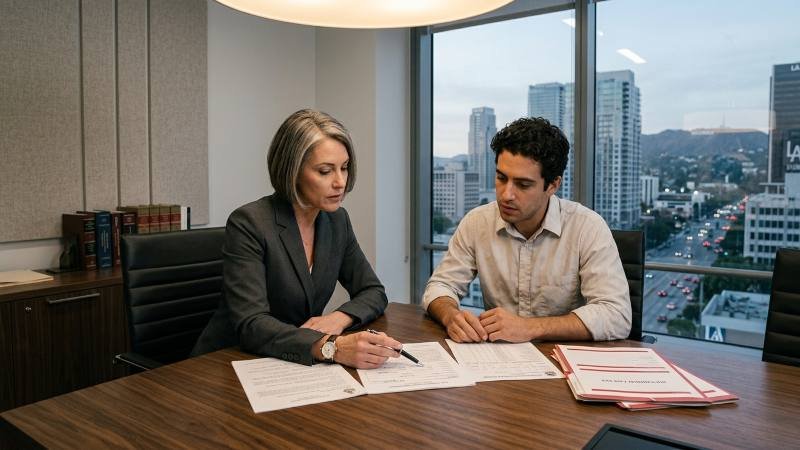
A criminal accusation can affect employment, housing, family relationships, immigration status, and personal freedom before a judge decides the case. A defense attorney examines the prosecution’s evidence, protects constitutional rights, and prevents avoidable errors throughout the case. That work often begins before trial, with a close review of the arrest, witness accounts, records, and police conduct. The following steps explain how defense counsel challenges allegations and protects an accused person’s future.
People charged with a crime need advice based on California procedure, local court practice, and the evidence investigators collected. A criminal defense attorney at E. Silver Law can review the accusation, explain your options, and identify weaknesses before you decide to plead or go to trial. Early legal advice also helps preserve evidence and prevents careless statements from shaping the case.
Reviewing the Arrest and Evidence
A defense attorney begins by examining how the investigation started. Police reports, body-camera recordings, dispatch records, witness statements, photographs, and physical evidence can reveal gaps between the allegation and the documented facts.
Counsel also checks whether officers followed required procedures. An unlawful search, improper questioning, mistaken identification, or unreliable evidence can affect whether prosecutors may use that material in court.
Testing the Prosecution’s Theory
Every criminal charge contains specific legal elements. The prosecution must present evidence supporting each element beyond a reasonable doubt. A defense attorney compares those requirements with the facts established in the case.
That review can reveal missing evidence, conflicting witness accounts, weak timelines, or claims that do not match the charged offense. Counsel can use those issues to seek dismissal, reduced charges, or a favorable resolution.
Protecting Rights After an Arrest
The period after an arrest creates serious risks. Statements made during questioning, messages sent to witnesses, and discussions about the case can become evidence. A defense attorney explains which communications create legal problems and handles contact with investigators.
Early representation also helps with arraignment, bail decisions, release conditions, and court scheduling. Counsel tracks deadlines and ensures the accused understands every required appearance.
Building a Defense Strategy
A defense strategy must match the charge, facts, and available evidence. Some cases involve mistaken identity or unreliable testimony. Others depend on self-defense, lack of intent, insufficient proof, unlawful police conduct, or disputed ownership.
The attorney gathers records and interviews witnesses before memories fade. This preparation creates a clearer factual record, rather than leaving the court with only the prosecution’s version.
Negotiating or Preparing for Trial
Many criminal cases resolve through negotiations, but deciding whether to accept a plea bargain requires careful review of its consequences. A defense attorney explains possible penalties, probation terms, financial obligations, immigration concerns, and effects on employment or professional licensing.
If trial becomes necessary, preparation continues through motions, witness examination, evidence objections, and opening and closing arguments. The defense must present a consistent theory supported by admissible facts.
Challenging Long-Term Consequences
A criminal case can affect more than the immediate sentence. A conviction can restrict housing options, professional licenses, educational opportunities, travel, or family relationships. Certain allegations also create protective orders, registration duties, or immigration consequences.
Defense counsel considers these issues before recommending a plea or litigation strategy. That review lets the accused weigh the full impact of each option.
Using the Early Advantage
Time affects the quality of a defense. Surveillance footage can disappear, witnesses can become difficult to locate, and records can change or vanish. Early legal action gives counsel more time to preserve evidence and identify procedural errors.
A person under investigation does not need to wait for formal charges before seeking advice. A confidential consultation can clarify what to say, what to avoid, and which documents require immediate review.
Conclusion
Clearing a name requires more than denying an accusation. A defense attorney must test the evidence, protect constitutional rights, and prepare for each hearing. Counsel must also present facts supporting dismissal, reduced charges, or an acquittal. The most useful next step is a prompt consultation before speaking with investigators or entering a plea. Bringing charging documents, release papers, and relevant messages helps counsel identify deadlines, risks, and immediate actions.

Lucas is a writer at Magazine Outstanders, with 3 years of experience covering business, technology, health, and lifestyle topics. He specializes in turning complex ideas into clear, well-researched, and engaging articles that keep readers informed and inspired. Driven by curiosity and a passion for storytelling, Lucas strives to deliver content that is accurate, valuable, and easy to connect with.