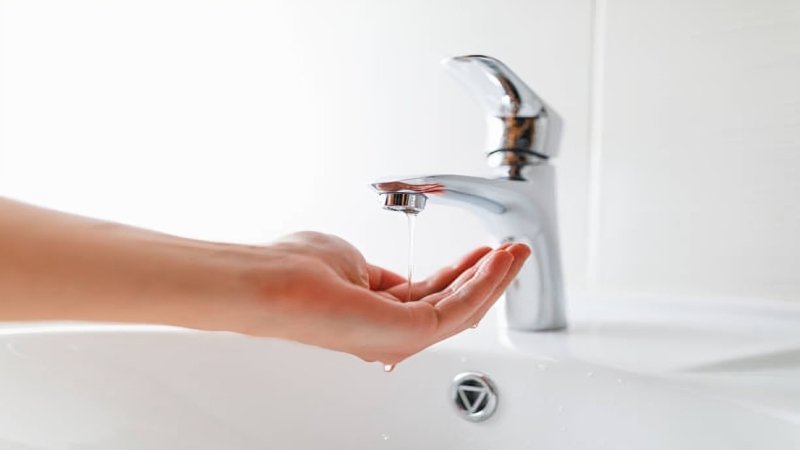
You step into the shower, dial in the perfect temperature, and prepare to face the day. But then, your water pressure drops to a trickle, blasts back at full force, and keeps fluctuating every few seconds as if your pipes have developed a mind of their own.
It’s one of those problems that feel minor until you’re standing there shivering and covered in shampoo. But you don’t have to just live with it. Keep reading to find out what might be ruining your morning routine.
Hard Water Buildup
If you live in London or anywhere across the UK, you’re likely dealing with hard water. This means your supply is packed with dissolved minerals like calcium and magnesium.
Over time, those minerals leave behind a crusty layer of limescale, and as this buildup thickens, it narrows the inside of your plumbing and leaves less room for water to flow. That’s why your water pressure may fluctuate depending on which tap you turn on.
Want to spot the signs? If your showerhead has a weak spray, your bathroom tap is spluttering angrily, or your kettle sounds like it is boiling a handful of gravel, limescale is likely doing its worst.
Victorian Pipework
Many homes across Clapham are still relying on ancient pipe systems hidden behind the walls. We’re talking about plumbing that hasn’t seen the light of day since avocado-coloured bathrooms were considered the height of luxury.
As these older pipes age, they corrode from the inside out, creating a rough, jagged surface where mineral deposits can easily hitch a ride and choke off your water flow.
To make matters worse, these pipes were often designed for a time when household water demands were much lower. So, when someone flushes the toilet upstairs, that can make your kitchen tap downstairs produce little more than a sad trickle for the next 30 seconds.
Peak-Time Demand
Sometimes, you might feel like the entire neighbourhood collectively agreed to hit the shower at the exact same second. The pressure often plummets during these peak hours because dozens of households are drawing water from the same local supply at once.
Since this is a massive network issue, it’s mostly out of your hands. But it perfectly explains why your midday shower feels luxurious while your 7:30 a.m. one quickly turns into a disappointing experience.
So, if your water pressure mysteriously improves the second everyone leaves for work, your pipes probably aren’t the problem.
Faulty Pressure Regulators
Your home might have a pressure-reducing valve installed to protect your plumbing from the intense force of the main water grid. These little valves are useful when they work, but they’re mechanical components, which means they eventually wear out.
When they do, your water pressure will wildly swing between a sad trickle and a firehose blast, sometimes during a single shower. If the valve gets stuck open, you get slammed with too much force, but if it jams halfway shut, it chokes the flow entirely.
Fortunately, a local plumber can test this valve in a few minutes and swap it out, which is much easier than trying to schedule your life around your plumbing’s mood swings.
Hidden Leaks
A pipe can leak behind a wall or under your floorboards for months before you ever see a wet spot. And as that water slowly escapes into the structure of your home, this ends up reducing the pressure available for your taps and appliances.
You should watch out for a sudden, unexplainable drop in pressure that doesn’t go away. You might also notice your water bill skyrocketing even though you haven’t changed your daily routine.
While you’re at it, keep an eye out for random damp patches, mould in dry rooms, or the faint sound of rushing water when everything in the house is turned off.
How to Improve Your Water Pressure
Now that you know what might be causing the problem, let’s look at how you can fix it. You should always start with the easiest, cheapest solutions before you panic and pay for a professional call-out.
Remove Limescale
Let’s start with the easiest solution on the list. To remove limescale, unscrew your showerhead and let it soak in a bowl of white vinegar overnight, then do the same thing with the little aerators on your taps.
If you want a permanent fix, you can have a water softener installed where your main water line enters the house. It may cost a bit upfront, but it’s much cheaper than constantly replacing appliances and fixtures that are being calcified from the inside out.
Detect Leaks
If you want to be certain that you’re dealing with a leak, just turn off every single tap and water-using appliance in your house, then look at your water meter. If that little dial is still spinning, you have water escaping somewhere it shouldn’t.
You want to find the leak as fast as possible to prevent serious damage. If you leave it alone, even a tiny drip can warp your floorboards or rot your walls, turning a quick plumbing fix into a major construction project.
Replace Your Pipes
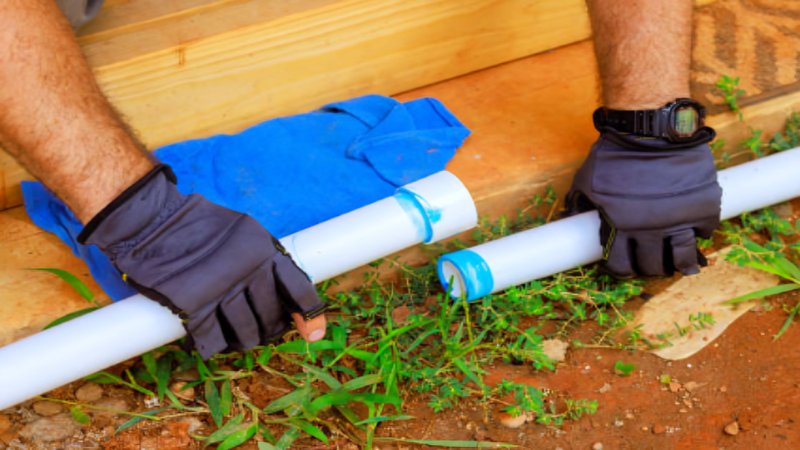
If the pipework inside your walls is old, rusted, or simply too narrow, no amount of vinegar or valve tweaking will solve the problem. You’ll eventually need to replace some or all of your pipes to restore that steady flow and clear out the internal rust.
Granted, re-piping your home isn’t the most thrilling way to spend your budget, but it’ll make a massive difference in your daily life. Let’s be honest, standing under a weak drizzle every morning gets old pretty quickly.
Adjust Your Usage
If you try to run the washing machine, start the dishwasher, and take a shower all at the same time, you’re asking way too much from an older plumbing system.
Instead, try spacing out your heaviest water-intensive tasks, especially during the chaotic morning and evening rush hours, to keep the pressure steady for everyone.
This won’t fix a broken pipe or a failing valve, but it can buy you some time while you figure out your next steps.
Call in a Professional
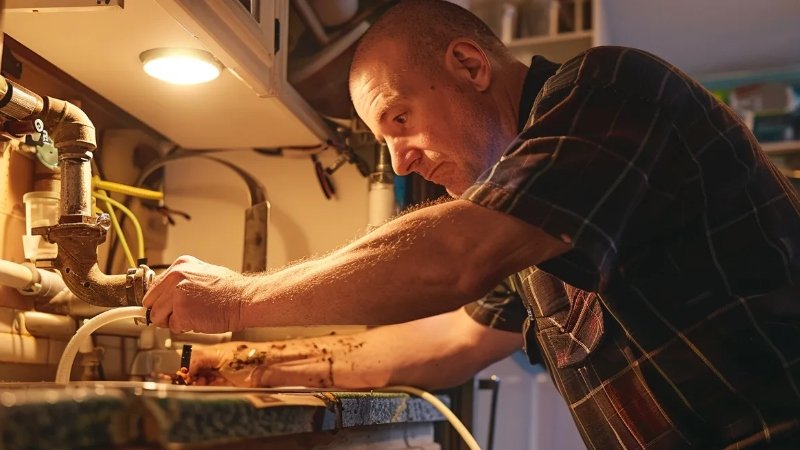
If your pressure issues keep coming back no matter what you try, it’s time to bring in a local Clapham plumber.
For the best results, look for someone who specifically understands the local housing stock. They’ll know exactly how to handle Victorian-era plumbing quirks and hidden valve issues that you might miss.
So, get your system professionally checked before a pipe decides to burst dramatically at 2 a.m.
Conclusion
Your morning routine doesn’t have to feel like a bad comedy sketch. So, just try out our hacks, and soon, you’ll be able to wash your hair without playing a game of hot-and-cold roulette.
After all, the only pressure you should be dealing with in the morning is deciding how many times you can hit the snooze button.

Lucas is a writer at Magazine Outstanders, with 3 years of experience covering business, technology, health, and lifestyle topics. He specializes in turning complex ideas into clear, well-researched, and engaging articles that keep readers informed and inspired. Driven by curiosity and a passion for storytelling, Lucas strives to deliver content that is accurate, valuable, and easy to connect with.