Synthetic cathinones are stimulants made from the substances found in a Middle Eastern herb called the khat plant. They speed up the chemical messengers in your brain, making you feel high, focused, and energetic. This is why you will keep going back for more – to experience the same rush. While synthetic cathinones can initially feel good, they take a toll on your brain and body, and can even trigger long-term mental health conditions. Read on to learn more!
What Are Synthetic Cathinones?
Synthetic cathinones (SCs) are lab-made stimulants made from substances found in the khat plant. Commonly known as “bath salts,” they are cheaper alternatives that make you feel high, focused, and energetic – similar to how amphetamine, cocaine, or MDMA can make you feel, but in a different way.
Many people underestimate the risks of bath salt stimulant substances, assuming they are safer or legal alternatives, when in reality they can cause severe psychological reactions and lasting mental health damage.
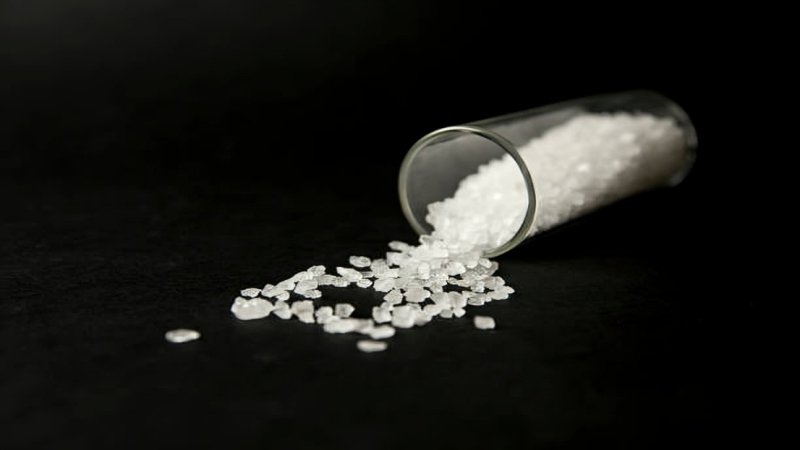
SCs are available as white or brown powders, but they are also available as crystals. They are either swallowed, snorted, or injected via the vein.
When consumed orally, they begin to take effect within 15-45 minutes and last for about 3-4 hours.
How Synthetic Cathinones Affect the Brain?
Synthetic cathinones are structurally similar to amphetamine, so they similarly affect the brain.
They work by increasing the dopamine, norepinephrine, and serotonin levels in the brain – the chemicals (or neurotransmitters) linked with regulating your mood. This is the reason you experience an instantaneous rush of pleasurable sensations and feelings when you consume SC. This is also what makes them so addictive, and why they are commonly consumed in South Arabian and East African regions as a way to get high.
What Are the Short-Term Psychological Effects Linked to Synthetic Cathinones Use?
In the short term, synthetic cathinones lead to the following effects:
- Euphoria
- Heightened focus
- Increased energy
- Increased libido
- Empathy
- Restlessness
- Distorted sense of time
- Memory troubles
- Sleep troubles
- Enlarged pupils
- Blurred vision
- Dry mouth
- Sweating
Higher doses can also lead to:
- Anxiety
- Vomiting
- Stomach ache
- Nose bleed
- High blood pressure
- Chest pain
- Body tremors
- Seizures
- Death.
What Are the Long-Term Mental Health Disorders Linked to Synthetic Cathinone Use?
Anxiety and Panic Disorders
Chronic synthetic cathinone use can lead to anxiety and panic disorders. In fact, a survey showed that nearly 79% of SC users report a sense of fear and anxiety while recovering from its use. Even SC withdrawal symptoms can trigger anxiety and panic.
Depression and Mood Disorders
While certain kinds of SCs are prescribed for the treatment of depression, nearly 62% of chronic SC users report struggling with depression and other kinds of psychological disorders.
Persistent Psychosis
Chronic SC use has been linked with psychotic symptoms, such as hallucinations, delusions, and paranoia. In fact, even cathinone‐induced acute intoxication is characterized by psychotic and catatonic symptoms.
Cognitive Impairment
SC use leads to cognitive dysfunctions related to memory. Studies have shown impaired working memory and recall, while animal studies have indicated troubles with spatial memory and recognition memory as well.
Increased Risk of Self-Harm and Suicide
SCs can become life-threatening in different ways, some of them being self-harm and suicide. In fact, it has been linked with traffic accidents and violence toward others as well.
If anyone is experiencing suicidal thoughts or ideation, call national helplines (like 9-8-8 in the U.S.) immediately. This can be a life-saving move.
What Are the Treatment Options for Long-Term Mental Health Effects Linked to Synthetic Cathinone Use?
Synthetic cathinones can impact mental health conditions in the following three ways:
- Both SC use and mental health conditions have similar genetic links.
- SC use leads to or exacerbates mental health conditions.
- Mental health conditions lead to SC use as a way to self-medicate and numb the pain and suffering.
When SC use co-occurs with underlying mental health conditions, it is known as a dual diagnosis or co-occurring disorders.
Dual diagnosis is treated with:
- Cognitive Behavioral Therapy: CBT focuses on changing the underlying thinking patterns leading to unhelpful emotions and behaviors. It also equips you with coping skills to deal with substance misuse and mental health challenges.
- Dialectical Behavior Therapy: DBT uses the core skills of mindfulness, distress tolerance, emotion regulation, and interpersonal effectiveness to break negative patterns and lead you to a healthier tomorrow.
- Medication Management: Both substance use and mental health challenges can be treated with medication to reduce the symptoms and alleviate the suffering. For instance, FDA-approved anxiolytics, antidepressants, and antipsychotics can be respectively prescribed to treat anxiety, depression, and psychosis symptoms co-occurring with SC use.
- Peer Support: Group therapy and peer support programs like Dual Diagnosis Anonymous (DDA) can help reduce the feelings of isolation common with substance use and mental health challenges. They also provide a safe setting where you can share, learn, and move toward collective growth with peers who understand where you have been and where you want to go.
When to Seek Professional Help?
When your synthetic cathinone use and co-occurring mental health conditions are impeding your health, daily functioning, and relationships, it is an indication that you can benefit from professional support.
Reach out to your primary healthcare provider or nearby treatment centers, who can match you with licensed and experienced therapists and doctors who tailor your care plan to your needs and goals so that your recovery journey is as relevant as it is effective.
SC use and co-occurring mental health conditions can be treated in residential and outpatient settings, depending on the level of care you need. You can opt for residential programs, partial hospitalization programs, intensive outpatient programs, and even telehealth services, depending on the diagnosis and severity of your symptoms/conditions.
Final Reflections
Synthetic cathinones may promise short-term relief or euphoria, but their long-term impact on mental health can be profound and lasting. From anxiety and depression to psychosis and cognitive decline, the risks often extend far beyond the high.
The good news is that recovery can be your tangible reality with timely, integrated treatment that addresses both substance use and mental health. Seeking the care you need and deserve can protect your brain, restore stability, and strengthen you from the mind, body, and spirit to reclaim control over your life.

Lucas is a writer at Magazine Outstanders, with 3 years of experience covering business, technology, health, and lifestyle topics. He specializes in turning complex ideas into clear, well-researched, and engaging articles that keep readers informed and inspired. Driven by curiosity and a passion for storytelling, Lucas strives to deliver content that is accurate, valuable, and easy to connect with.