If you own a home, it is easy to assume everything is fine once the doors are locked and the lights turn on. Life gets busy, and most homeowners only react when something breaks. That is why annual home safety checks matter. Taking time once a year to review key systems can help prevent problems before they become stressful or expensive.
For homeowners in Buffalo, NY, these checks matter even more. Many homes in the area were built decades ago, and seasonal weather puts extra strain on electrical systems, plumbing, and structural features. An annual review helps you stay ahead of safety concerns and keeps your home comfortable year-round. The goal is not perfection. It is awareness and early action.
Below are practical safety checks every homeowner should complete at least once a year.
Check Your Electrical Panel for Warning Signs
Your electrical panel plays a major role in home safety, yet many homeowners only notice it when the power goes out. Once a year, take a few minutes to inspect it. Start by checking for breakers that trip often or fail to reset. These issues can point to underlying electrical problems that should not be ignored.
Pay attention to how the panel feels and sounds. It should never feel warm to the touch. There should be no buzzing or crackling noises. A burning smell is another serious warning sign. Lights that dim when appliances run can also indicate that the panel struggles to handle the electrical load.
In many older Buffalo homes, electrical panels were not built to support today’s energy demands. Heating systems, modern appliances, and everyday electronics place added stress on outdated equipment. In situations like these, it’s important to reach out to a professional for electrical panel repair in Buffalo, NY, to address safety concerns and restore proper performance. Electrical panels require professional handling to ensure the work meets safety standards and current codes.
Taking action early helps reduce risks and keeps the system operating as it should.
Test Smoke and Carbon Monoxide Detectors
Smoke and carbon monoxide detectors play a critical role in home safety, but they only help when they function properly. Make it a habit to check each unit in your home once a year. Use the test button to make sure the alarm sounds loud and clear. If there is no response or the sound seems weak, change the batteries immediately.
Many homeowners forget that detectors also have expiration dates. Most units need full replacement every seven to ten years. Check the back of the device for the manufacturer’s date. Replace outdated units even if they still beep during testing.
Make sure detectors are installed near bedrooms, on every level of the home, and near fuel-burning appliances. This simple check adds peace of mind and helps protect everyone in the household.
Inspect Outlets and Light Switches
Outlets and switches see daily use, which means wear and tear add up. Walk through your home and check for outlets that feel loose or sit unevenly in the wall. Discoloration around outlets or switch plates can signal overheating.
Flip switches on and off, and pay attention to how they respond. Flickering lights or delayed responses suggest wiring issues behind the wall. Outlets that feel warm should stop being used immediately.
These issues may seem minor, but they can point to electrical hazards if left unresolved. Annual checks help you catch problems early and reduce fire risks.
Review Extension Cord and Power Strip Use
Extension cords and power strips often become permanent solutions without homeowners realizing it. Once a year, review where cords are in use. Extension cords should not replace proper wiring, especially for large appliances or heating devices.
Check power strips for signs of wear, such as cracked casings or loose plugs. Avoid plugging too many devices into one strip, even if it has surge protection. Overloaded strips place stress on circuits and increase fire risk.
If you rely heavily on cords, that may signal the need for additional outlets or electrical upgrades.
Check Plumbing Areas for Leaks and Moisture
Water damage often starts quietly. Inspect under sinks, around toilets, near water heaters, and in basements. Look for moisture, corrosion, or musty odors. Even small drips can cause mold growth or structural damage over time.
Check exposed pipes for condensation or rust. During colder months, pipes face additional stress, making annual inspections especially important. Fixing minor leaks early helps prevent costly repairs later.
Inspect Stairways, Railings, and Walkways
Falls remain one of the most common home injuries. Walk through your home and inspect all stairways and railings. Make sure railings feel secure and do not wobble. Tighten loose hardware as needed.
Check steps for uneven surfaces or worn edges. Pay attention to basement stairs and entryways where lighting may be limited. Outdoors, inspect walkways, porches, and steps for cracks or loose boards.
Good lighting and stable surfaces go a long way in keeping everyone safe.
Review Fire Extinguishers and Emergency Supplies
Fire extinguishers should be easy to access and ready to use. Check the pressure gauge to confirm it sits in the safe range. Inspect the nozzle for blockages and confirm the unit has not expired.
Keep extinguishers in key areas like the kitchen, garage, and near heating equipment. Take time to review how to use them so you feel prepared if needed.
Emergency supplies matter too. Check flashlights, batteries, and first aid kits. Review exit plans with everyone in the household so responses feel natural in an emergency.
Check Doors, Windows, and Locks
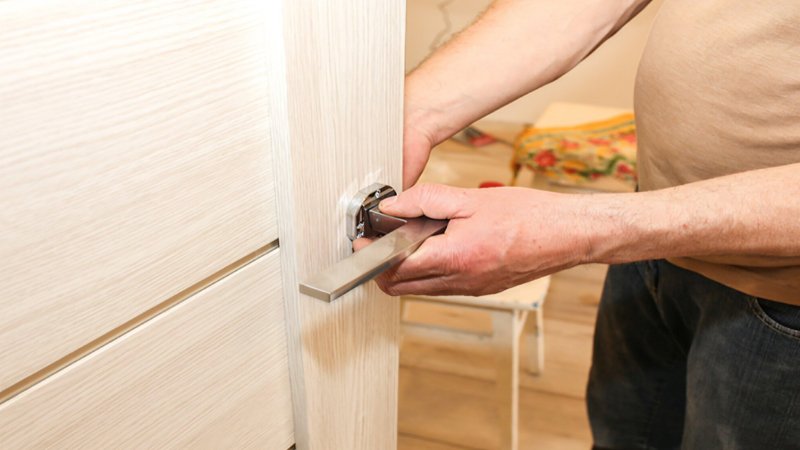
Doors and windows play a role in both safety and comfort. Inspect locks to ensure they work smoothly and latch securely. Replace damaged hardware promptly.
Check window frames for drafts or gaps caused by seasonal shifts. Make sure windows open and close properly and that screens are secure. Addressing these issues improves security while helping with energy efficiency.
Taking time once a year to review your home can make a meaningful difference. These safety checks do not require advanced tools or special skills, just attention and consistency. Many serious home problems begin with small warning signs that homeowners overlook. By staying proactive, you protect your home, your investment, and the people who live there. Annual checks help you stay confident, prepared, and in control of your home’s safety.

Lucas is a writer at Magazine Outstanders, with 3 years of experience covering business, technology, health, and lifestyle topics. He specializes in turning complex ideas into clear, well-researched, and engaging articles that keep readers informed and inspired. Driven by curiosity and a passion for storytelling, Lucas strives to deliver content that is accurate, valuable, and easy to connect with.