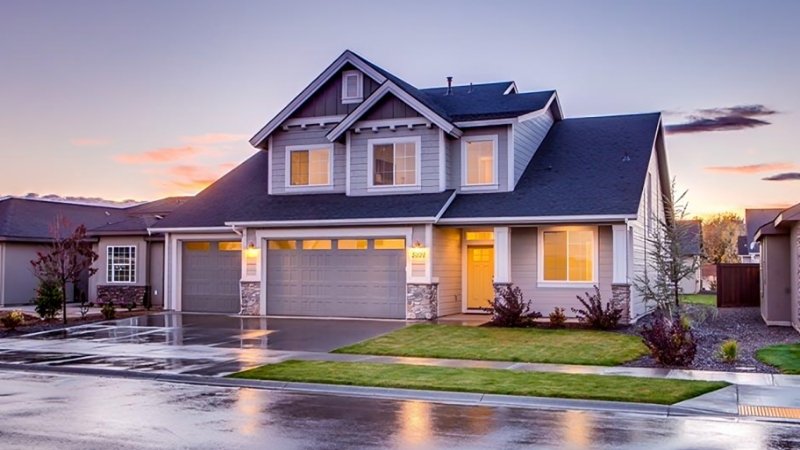
Planning your dream home is an exciting journey that turns ideas into a place you can truly call your own. This guide walks you through each step of the process, from shaping your initial vision to creating a finished space that suits your lifestyle and future needs. It breaks down complex decisions into clear, manageable stages, allowing you to plan with confidence.
You will learn how to balance creativity with practicality, budget wisely, and work effectively with professionals. By understanding the full journey ahead, you can avoid common mistakes and create a home that feels both personal and lasting. Read on.
Shaping the Initial Vision: More Than Just a Dream
Every successful dream home begins with a clear vision that goes beyond aesthetics. This stage focuses on understanding how you want to live and translating those ideas into a foundation that will guide all future design decisions.
Understanding How You Want to Live
The first step is to closely examine your daily routines and habits. Consider how your mornings and evenings typically unfold, whether you prefer quiet and private spaces or open and social areas, how often you cook or entertain guests, and whether you need dedicated areas for working from home.
At home, consider what makes you happy, relaxed, and comfortable. Your answers to these questions will influence decisions such as:
- kitchen size
- room placement
- circulation paths
- outdoor living areas
Thinking Long-Term
A true dream home should not only meet your current needs but also adapt to future changes. You should consider:
- potential family growth or downsizing
- accessibility needs as you age
- evolving work arrangements
- even future resale value
Designing with flexibility ensures that your home remains functional and comfortable for many years.
Creating a Vision Board
Collecting images, textures, color palettes, and layout ideas that resonate with you helps clarify your preferences. As you gather inspiration, patterns will begin to emerge, such as a preference for natural materials, open spaces, or minimalist design. This visual reference becomes an effective communication tool when working with architects, designers, and builders.
Translating Dreams Into Numbers: Budget Planning
Turning your dream home into reality requires a clear understanding of costs and financial limits. Budget planning helps align your design goals with what is realistically achievable, ensuring the project remains sustainable from start to finish.
Understanding the Full Scope of Costs
Your total budget should include land acquisition, professional design fees, permits and inspections, construction labor, and structural systems such as:
- electrical and plumbing
- interior finishes and fixtures
- furniture and appliances
- landscaping
It also includes a contingency fund for unexpected expenses. Many homeowners underestimate finishing costs, which can represent a significant portion of the total investment.
Balancing Quality and Cost
It is wise to invest more heavily in elements that are difficult or expensive to change later. These elements include:
- structural integrity
- layout and room proportions
- insulation and waterproofing
- high-quality windows and doors
Decorative features and furnishings can often be upgraded over time as finances allow.
Planning Financial Buffers
Unexpected issues such as fluctuating material prices, weather delays, or unforeseen site conditions are common in construction projects. Allocating a contingency fund of at least ten to fifteen percent helps protect your budget and reduces stress when challenges arise.
Choosing the Right Location and Site Conditions
The location of your home plays a major role in comfort, convenience, and long-term value. Understanding the characteristics of the site helps ensure that your design responds well to its surroundings and natural conditions.
Evaluating the Location
When selecting a location, you should consider proximity to work, schools, healthcare facilities, and shopping areas. Accessibility to transportation, neighborhood safety, noise levels, climate conditions, and future development plans also play an important role. A well-chosen location supports:
- daily convenience
- comfort
- long-term property value
Analyzing the Site
Before finalizing your design, it is essential to study the lot itself. The orientation of the land affects natural light and heat, prevailing winds influence ventilation, slopes impact drainage and foundation design, and soil quality determines construction methods. A site-responsive design improves:
- comfort
- energy efficiency
- durability
Building the Right Team of Professionals
Designing and building a dream home is not a solo effort and relies on the expertise of skilled professionals. The right team helps turn ideas into workable plans, manages challenges, and ensures the project is completed safely, efficiently, and to a high standard.
Working With Architects and Designers
An experienced architect or designer listens to your ideas and translates them into functional and compliant plans. They help:
- optimize space
- ensure structural safety
- navigate building regulations
- maintain design consistency
Choosing a professional whose previous work aligns with your vision is essential.
Selecting Contractors and Builders
Your contractor is responsible for turning plans into reality. A reliable builder should have:
- proven experience
- transparent pricing
- clear communication
- realistic timelines
A good contractor minimizes errors, manages resources efficiently, and helps keep the project on track. Hiring the right custom home builders can make a big difference in achieving your goal.
Engaging Additional Consultants
Depending on the complexity of your home, you may need structural engineers, interior designers, landscape architects, or sustainability consultants. Their expertise adds long-term value by improving:
- safety
- comfort
- efficiency
- aesthetics
Designing the Floor Plan: Function Comes First
A well-designed floor plan determines how comfortable and practical a home will be daily. Prioritizing function ensures that spaces flow naturally, support everyday activities, and adapt easily to changing needs over time.
Zoning the Home
Dividing the house into functional zones improves organization and privacy. Public areas such as the living room, dining area, and kitchen should be easily accessible, while private areas like bedrooms and bathrooms should be more secluded. Service areas should be conveniently located but unobtrusive, such as:
- laundry rooms
- storage spaces
- utility rooms
Planning Flow and Circulation
Movement through the home should feel natural and intuitive. Hallways should be minimized but comfortable, and transitions between rooms should be smooth rather than abrupt. Good circulation enhances both functionality and visual appeal.
Incorporating Adequate Storage
Storage is often overlooked in early planning stages, yet it plays a major role in maintaining an organized home. Built-in cabinets, closets, and multi-purpose furniture help reduce clutter and improve daily convenience.
Architectural Style and Exterior Design
The architectural style and exterior design set the first impression of your home and define its overall character. Thoughtful exterior planning ensures the home reflects your personal taste while responding to its surroundings and climate.
Choosing a Consistent Style
Selecting an architectural style that suits your taste, climate, and neighborhood context creates visual harmony. Whether modern, traditional, tropical, or eclectic, consistency in form and materials is more important than following trends.
Enhancing Curb Appeal
Thoughtful façade design improves both aesthetics and property value. Proportions, textures, materials, and landscaping should work together as a unified composition.
Designing for Climate
Exterior features such as roof shape, shading devices, and material choices should respond to local climate conditions. Climate-responsive design improves:
- comfort
- energy efficiency
- long-term durability
Sustainability and Smart Design Choices
The architectural style and exterior design set the first impression of your home and define its overall character. Thoughtful exterior planning ensures the home reflects your personal taste while responding to its surroundings and climate.
Applying Passive Design Principles
Passive design uses natural elements to regulate indoor comfort. This includes proper orientation, which allows for optimal sunlight, cross-ventilation, which improves airflow; insulation, which stabilizes indoor temperatures, and shading devices, which reduce heat gain. These strategies lower energy consumption without sacrificing comfort.
Integrating Smart Home Technology
Smart lighting, climate control, and security systems enhance convenience and efficiency when used thoughtfully. Automation can reduce energy waste and improve day-to-day living.
Improving Water and Energy Efficiency
Features reduce utility costs and environmental impact over time. These are such as:
- solar panels
- rainwater harvesting systems
- energy-efficient appliances
- low-flow fixtures
Interior Design: Creating Atmosphere and Comfort
Interior design is the stage where a house begins to feel personal, comfortable, and expressive. Through thoughtful choices in materials, colors, lighting, and furnishings, interior design transforms functional spaces into welcoming environments that reflect the people who live in them.
Selecting Materials and Finishes
Materials should balance beauty and durability. Natural materials often age gracefully and contribute to a warm, timeless aesthetic, while durable finishes reduce maintenance demands.
Using Color Intentionally
Color influences mood and perception. Light tones make spaces feel larger and brighter, while darker shades add depth and intimacy when used strategically.
Designing Layered Lighting
A well-lit home combines natural light with ambient, task, and accent lighting. Thoughtful lighting design enhances functionality, highlights architectural features, and creates emotional comfort.
The Construction Phase: Managing Reality
The construction phase is where ideas, drawings, and plans are transformed into physical form, making it one of the most critical stages of the entire process. This period requires close attention, clear communication, and realistic expectations to ensure that the finished home matches both the original vision and quality standards.
Staying Actively Involved
Regular site visits and consistent communication with your contractor help ensure that construction aligns with the approved plans and design intent.
Managing Changes Carefully
Some changes during construction are unavoidable. Each modification should be evaluated based on cost, timeline impact, and long-term value before approval.
Ensuring Quality Control
Materials and workmanship should meet agreed standards. Addressing issues immediately prevents minor problems from becoming costly corrections later.
Final Touches and Move-In Readiness
The final stage of planning your dream home is both exciting and detail-oriented, as small decisions come together to complete the overall experience. This phase focuses on ensuring that every system functions correctly, finishes are properly installed, and the home is fully prepared for comfortable everyday living.
Conducting Final Inspections
Before moving in, all systems, such as electrical, plumbing, and mechanical components, should be tested. Any remaining issues should be documented and resolved, and warranties and manuals should be provided.
Furnishing With Purpose
Furniture should complement the scale, layout, and style of the home. Taking time to furnish gradually helps avoid overcrowding and allows spaces to feel balanced.
Completing Landscaping and Outdoor Areas
Outdoor spaces extend the living experience. Well-designed gardens, patios, and walkways improve relaxation, aesthetics, and connection to nature.
Living in Your Dream Home and Making It Truly Yours
Moving into your dream home marks the beginning of a new chapter, where the design you envisioned becomes part of your everyday life. Over time, personal habits, routines, and experiences will shape the space, allowing the home to evolve into a true reflection of who you are.
Settling Into the Space
As you live in the home, you may discover small adjustments that improve comfort or functionality. These refinements are a natural part of ownership.
Planning Ongoing Maintenance
Regular maintenance preserves safety, comfort, and property value. A proactive maintenance plan protects your investment over the long term.
Finding Emotional Fulfillment
Beyond design and materials, a dream home should provide a sense of comfort, inspiration, and belonging. It should support your well-being and reflect your life story.
Managing Legal Requirements, Permits, and Approvals
One of the most overlooked aspects of planning a dream home is navigating legal requirements and government approvals. While these steps may not feel creative or exciting, they are essential for protecting your investment and avoiding costly delays.
Before construction begins, your plans must comply with local zoning laws, building codes, and safety regulations. These rules govern:
- setbacks
- building height
- lot coverage
- fire safety
- environmental impact
Working with experienced professionals greatly reduces the risk of non-compliance, as architects and contractors are typically familiar with local approval processes. Permits may be required for:
- excavation
- structural work
- electrical systems
- plumbing
- occupancy
It is important to factor permit timelines into your project schedule, as approvals can take weeks or even months. Skipping or rushing this step can result in fines, forced redesigns, or difficulties when selling the property in the future.
Make Your Dream Home a Reality
Planning your dream home from initial idea to finished space is a deeply personal and transformative journey. It requires vision, discipline, collaboration, and patience, but the reward is a home that truly reflects who you are and how you live.
By defining your goals clearly, managing your budget wisely, choosing the right professionals, and staying engaged throughout the process, you can turn an ambitious dream into a functional and beautiful reality.
A dream home is not about perfection. It is about thoughtful design, meaningful choices, and creating a place that feels like home every single day.

Lucas is a writer at Magazine Outstanders, with 3 years of experience covering business, technology, health, and lifestyle topics. He specializes in turning complex ideas into clear, well-researched, and engaging articles that keep readers informed and inspired. Driven by curiosity and a passion for storytelling, Lucas strives to deliver content that is accurate, valuable, and easy to connect with.