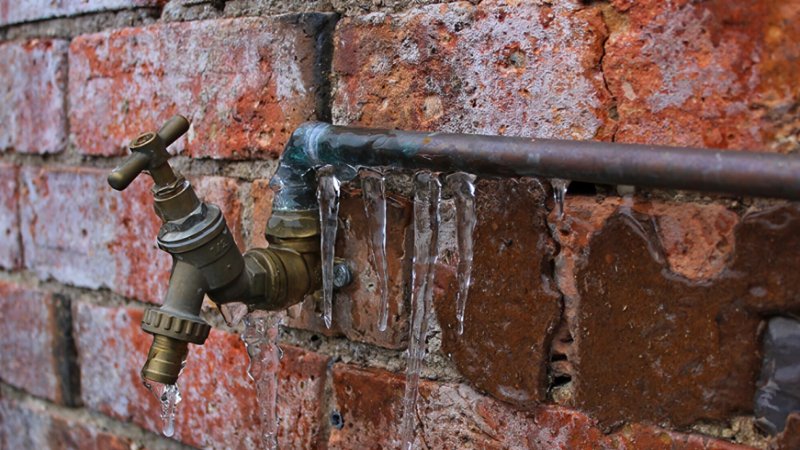
Frozen pipes are a frequent issue in cold conditions. When water inside pipes freezes, it expands and can cause serious damage. Many homeowners underestimate the risks of frozen pipes, but the consequences can be costly.
Understanding these risks and knowing how to prevent them is essential to keeping your plumbing system safe. This article explains the risks of frozen pipes and offers simple ways to reduce them.
Risk of Pipe Bursting
One of the biggest dangers of frozen pipes is that they can burst. As water freezes, it expands and builds pressure inside the pipe. If that pressure gets too high, the pipe may split or rupture.
A burst pipe can lead to water damage in your home, damaging floors, walls, and furniture. Repairing a burst pipe can be expensive, and the cleanup after water damage is often time-consuming.
Water Supply Disruption
Frozen pipes can restrict or completely stop water flow. This can leave your home without running water, which is especially difficult during winter. Without water, daily tasks such as cooking, cleaning, and bathing become challenging.
The disruption can last until the pipes are thawed and any damage is repaired. This can be inconvenient for days or even weeks, depending on the severity of the freeze.
Increased Repair Costs
Ignoring frozen pipes can increase repair costs. Even a small crack in a pipe can lead to larger problems if not addressed quickly. Water leaks can damage multiple areas of your home, making the repair more complicated.
Professional frozen-pipe repair services can help fix the damage, but early prevention is always cheaper than repairing extensive damage. Taking precautions before the pipes freeze can save both money and stress.
Structural Damage
Frozen pipes can cause damage to a building’s structure as well. When a pipe bursts or leaks inside walls, ceilings, or floors, the surrounding materials can weaken over time. Wooden beams may warp, drywall can crumble, and flooring may lift or buckle.
Often, these damages remain hidden until the problem escalates, leading to more complex and expensive repairs. Structural damage can also lower the value of your home if not addressed promptly.
Mold and Mildew Growth
Water leaks from frozen pipes create a perfect environment for mold and mildew. Mold can grow on walls, floors, and ceilings, causing health issues such as allergies and respiratory problems.
The cleanup process can be costly and labor-intensive. Preventing frozen pipes is also a way to prevent mold growth in your home, keeping it safe and healthy for your family.
All About the Risks of Frozen Pipes
Frozen pipes pose serious risks, including bursting, water supply disruption, high repair costs, and mold growth. Understanding these dangers and taking preventive measures can protect your home and save money.
Simple steps like insulating pipes, keeping your home warm, and regular maintenance can reduce the chances of freezing. By being proactive, you can avoid the stress and expense that come with frozen pipes. Staying prepared is key to keeping your plumbing system safe during winter.

Lucas is a writer at Magazine Outstanders, with 3 years of experience covering business, technology, health, and lifestyle topics. He specializes in turning complex ideas into clear, well-researched, and engaging articles that keep readers informed and inspired. Driven by curiosity and a passion for storytelling, Lucas strives to deliver content that is accurate, valuable, and easy to connect with.