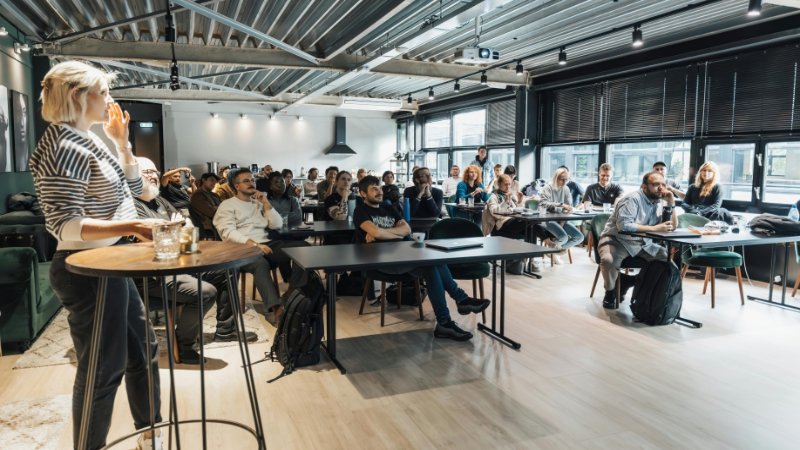
Trade shows, conferences, and other events are busy, noisy, and full of competing messages. To stand out at events, you need a plan that blends bold visuals, smooth interactions, and smart follow-through. The ideas below focus on simple moves that create stopping power and turn attention into real conversations at any event.
Know Your Environment First
Start with the venue map, attendee numbers, and traffic patterns. Think about sightlines from aisles, seating zones, and the closest entrances. If you know how people move, you can place your visuals where eyes naturally fall.
Map the neighbors around you. Are you next to a loud demo, a food station, or a quiet lounge area? Plan your lighting, volume, and booth flow so your space feels easy to enter.
Nail the Big Visuals
Retractable banners and backdrops do a lot of heavy lifting for very little setup time. When you want the right footprint, use this retractable banner size guide to match height and width to sightlines and space. You get fast setup, consistent branding, and clear messaging that can travel from show to show.
Keep copy short and legible at a distance. Lead with a benefit, support it with one feature, and add a simple visual cue. If you need small text, put it at waist height where close visitors can read without blocking the aisle.
Smart banner tips:
- Place headlines in the top third so they float above the crowd.
- Use faces or product close-ups to stop scrollers in real life.
- Add one strong callout in a contrasting shape, not a second headline.
- Keep glossy finishes away from harsh uplights to avoid glare.
Go Digital with Motion
Motion buys attention in a sea of static prints. A market analysis projects digital signage to grow from about $28.8 billion in 2024 to roughly $46 billion by 2030, which tells you screens are fast becoming standard kits on show floors. Use simple loops: 5 to 7 short clips with bold captions and quiet backgrounds so content reads even without audio.
LED posters and towers extend the line of sight above crowds. Most viewers give you 3 to 5 seconds on a pass, so frontload the key message in the first frames. If you run demos, mix in quick teaser cuts that point people to the hands-on station.
Design for Flow
A booth that looks great but stalls traffic will cost you leads. Create a triangle: a visual hook at the corner, a demo island in the middle, and a quiet chat area at the back. The layout should guide visitors, from interest to interaction to conversation.
Keep entry points wide and obvious. Remove trip hazards and clutter that makes people hesitate. Use floor arrows or contrasting rugs to hint at the path. If lines form, let the queue point past your visuals so waiting time doubles as message time.
Create Micro-Experiences
Big shows can blur together, so give people a small moment they will remember. Quick wins include 60-second make-and-take stations, mini photo sets, or timed demos on the half hour. Keep props tidy and reset after each group so the experience feels premium.
Large events prove that attention can scale when the moment is right. A news report on a major airshow noted crowds of around 50,000 over four days, which shows how a clear spectacle can draw consistent foot traffic. Apply this concept on a smaller scale: create your own small spectacle with a consistent rhythm, and people will naturally invite others.
Make Interactions Effortless
Reduce friction at every step. Put your most asked questions on a small tabletop card near the product. Add a short QR that opens directly to the exact page people want. If you scan badges, keep the scanner on a lanyard so you never set it down and lose time.
Offer two ways to engage: talk now or save for later. While some visitors may wish to engage in immediate conversation, others may prefer to gather information. A quiet corner with stools invites longer chats, while a standing bar with pens facilitates quick notes and a fast exit.
Train Your Team Like a Stage Crew
Great booths run on cues and timing. Set short scripts for greetings, handoffs, and closings. Practice a 10-second opener that names the problem you solve and the one thing to see. Have a 2-minute version for people who lean in.
Assign roles by hour. One person greets, one demos, one handles qualified chats, and one resets the space. Rotate every 45 minutes so energy stays high. Keep water, snacks, and a recovery plan so nobody fades mid-pitch.
Here are some micro-scripts that save time. Write one sentence for each of them:
- Who we help
- What we fix
- What to try first
- How to follow up
Put the sentences on a pocket card. The goal is to sound natural, as these are prompts.
Measure, Learn, and Make it Repeatable
Decide how you will judge success before the booth ships. Track scans, opt-ins, scheduled calls, and fast-tracked deals. Track soft signals like average dwell time and repeat visits. A simple tally sheet can do the job if your team actually uses it.
After the event, do a 30-minute debrief while memory is fresh. What drew people in, what blocked flow, which demo had the most eyes, and which question came up the most? Please save your top-performing visuals in a labeled kit to ensure the next show begins at level 2, rather than at level 0.
Build for Reuse and Speed
Choose displays that set up fast and travel well. Modular frames, collapsible counters, and retractable banners make it easier to right-size your footprint for small conferences or big expos. Keep a bin with cable ties, gaffer tape, spare power, and cleaning wipes so you can fix problems on the fly.
Create a content system that you can update without design help. Use templates for banners, screen captions, and handouts. Lock in colors and fonts, then swap headlines and product shots per show. The fewer one-off assets you build, the faster you can ship.
Final Thoughts
Events reward clarity, motion, and confident execution. By combining bold visuals, interactive micro-experiences, thoughtful booth flow, and well-trained staff, you can turn attention into meaningful conversations and measurable results. Plan for reuse, track performance, and refine your approach to make every event more effective than the last.
See Also: 5 Innovative Yard Sign Ideas for Business Events

Lucas is a writer at Magazine Outstanders, with 3 years of experience covering business, technology, health, and lifestyle topics. He specializes in turning complex ideas into clear, well-researched, and engaging articles that keep readers informed and inspired. Driven by curiosity and a passion for storytelling, Lucas strives to deliver content that is accurate, valuable, and easy to connect with.