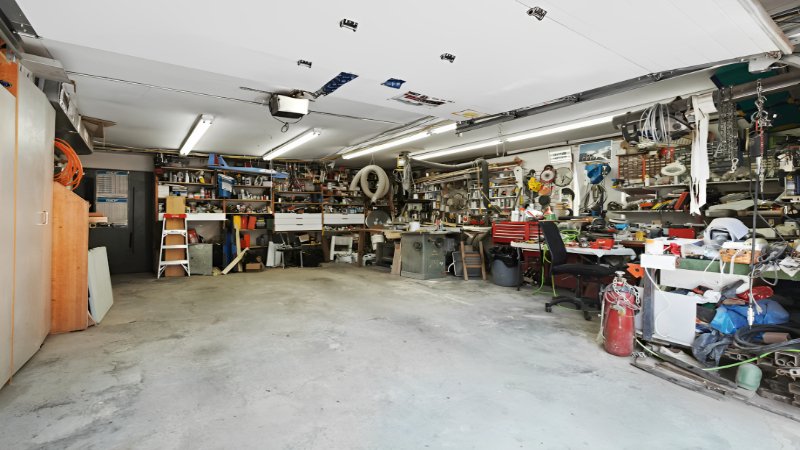
Garages hold huge potential for daily life, yet many households treat them as catchall storage zones that collect boxes, tools, and half-finished projects. Thoughtful design transforms that leftover space into a hardworking extension of the home. A renovated garage can welcome you at the door, protect gear, support hobbies, and keep clutter out of the main living areas.
Design choices matter at every step. Layout, storage, lighting, and finishes all shape how you move through the space and how long it stays organized. When you plan with real routines in mind, the garage starts to feel like a flexible, well-tuned room rather than an afterthought.
Defining The Purpose Of The Renovated Garage
You create a better garage when you decide what you want it to do before you lift a single tool. Some owners want a workshop with space for tools and projects. Others need a clean landing zone for kids, pets, and groceries. Some want gym equipment, hobby space, or a small office corner.
Walk through your daily routine and imagine each step through the garage. You pull in with the car, unload bags, manage shoes and coats, and maybe drop off mail. These scenes tell you where you need hooks, shelves, seating, and clear floor paths. A precise purpose for each zone prevents random piles and keeps the space focused.
You gain extra clarity when you write a short list of top functions and rank them. Parking might sit at the top, followed by storage and hobbies. Those priorities guide every design choice and keep you from filling crucial space with items that do not match your goals.
Creating A Functional Entry Zone
The entry between the garage and the house sets the tone for daily life. You arrive with shoes, backpacks, pet leashes, and packages. Without a plan, those items spread through the hallway and kitchen. With a smart entry zone, you capture clutter before it travels. You can explore garage mudroom ideas that combine storage benches, hooks, and cubbies into one organized wall.
You then direct family members to drop shoes under the bench, hang coats in one place, and leave bags near the door instead of in the living room. A tray for keys and a small shelf for mail keep small items from vanishing.
Durable flooring in this zone makes cleanup easier. You can choose sealed concrete, tile, or high-quality vinyl that handles wet shoes and pet paws. A washable rug adds softness and collects grit before it reaches interior floors. Good lighting near the door improves safety when you come home after dark and helps kids see where everything belongs.
Organizing Storage Vertically And Clearly
Garages usually offer more wall height than interior rooms. Vertical storage design takes advantage of that height and protects the floor. When you move items up, you create room for cars, bikes, and safe walking paths.
Install sturdy shelving units that match the weight and size of your stored items. Clear bins with labels turn random piles into accessible categories for cleaning supplies, seasonal decor, sports gear, and tools. You create a system where every box has a defined home, which reduces decisions each time you tidy the space.
Wall-mounted rails and hooks help with long or bulky items. Rakes, shovels, ladders, and extension cords hang neatly instead of leaning in dangerous stacks. When you step into the garage, you see tools at a glance and reach them without digging. That visibility encourages regular use and quick return after each project.
Designing Zones For Hobbies And Projects
Thoughtful design gives work and play their corners. A dedicated hobby or project zone keeps tools accessible and protects the rest of the garage from constant spread of materials. You benefit from a surface that is always ready for the next task.
Set up a workbench along one wall with a pegboard above it. Pegboard allows the flexible arrangement of hand tools that you want within reach. You can trace outlines around tools to remind yourself where each piece belongs. Drawers under the bench store hardware, sandpaper, and small items that you want out of sight yet close at hand.
If you enjoy crafts, gardening, or home repairs, consider separate bins and trays for each hobby. You then pull out one set of materials at a time. This separation prevents small parts from mixing and saves time when you want to start a project quickly. Good task lighting above the bench supports careful work during short evening windows.
Improving Comfort With Light, Air, And Sound
Comfort plays a huge role in how often you use a renovated garage. Dim, stuffy, echoing rooms discourage projects and workouts. You stay longer in a space that feels bright, fresh, and pleasant to move through.
Introduce multiple layers of light. Overhead fixtures provide general brightness so you can navigate safely. Task lights over work areas, laundry zones, or gym equipment support focused activity without glare. If possible, add or enlarge windows for natural light that lifts mood and helps you judge colors accurately when you paint or repair items.
Ventilation is relevant for comfort and health. A good exhaust fan, openable windows, or a small air filtration unit reduce fumes from paints and cleaners and keep humidity in check. You must limit musty smells and protect stored items from mold. Thoughtful placement of ceiling fans or wall fans creates gentle airflow without blowing dust directly onto work surfaces.
Sound control rounds out comfort. Insulation in walls and ceilings softens noise from tools or exercise gear and protects the rest of the house from echoes. Soft materials such as rugs, rubber mats, or acoustic panels tame harsh sounds and make the garage feel closer to a finished room.
Final Thoughts
Thoughtful design turns a garage renovation into far more than a fresh coat of paint. Purpose-driven zones, vertical storage, hobby and fitness areas, comfort-focused lighting and ventilation, and simple organization systems all support daily routines.
When you treat the garage as a true extension of your home, you create a flexible space that makes every arrival smoother, every project easier to start, and every season feel more manageable.
See Also: Level Up Your Home’s Value

Lucas is a writer at Magazine Outstanders, with 3 years of experience covering business, technology, health, and lifestyle topics. He specializes in turning complex ideas into clear, well-researched, and engaging articles that keep readers informed and inspired. Driven by curiosity and a passion for storytelling, Lucas strives to deliver content that is accurate, valuable, and easy to connect with.