For any organization, finding a fundraiser that is both profitable and emotionally resonant can feel like a monumental task. You need a campaign that not only meets financial goals but also deepens the connection with your community.
An engraved brick campaign offers a unique and powerful solution, transforming a simple fundraising drive into a permanent tribute to the people who support your mission.
This approach allows you to raise significant funds while creating a lasting legacy for your organization and its donors. This article provides a comprehensive, step-by-step guide to help you plan and execute a successful campaign that turns a blank space into a beautiful, meaningful landmark.
Why Engraved Bricks are a Powerful Tool for Fundraising and Memorials
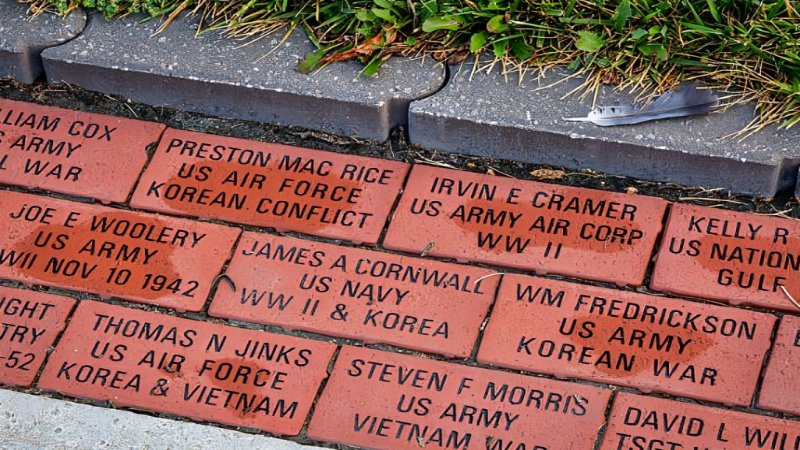
A custom engraved brick fundraiser transforms a simple building material into a permanent tapestry of community support. Each brick, inscribed with a name, a date, or a message, represents a personal story and a commitment to your cause. This method goes beyond a typical donation by allowing supporters to literally “leave their mark” on your organization, creating a deep, personal connection to your mission.
This tangible link is incredibly important. In fact, according to CCS Fundraising, 97% of donors state that understanding the impact of their contribution is a major motivator for their decision to give. An engraved brick walkway or memorial wall makes that impact visible and permanent for everyone to see.
Of course, a legacy is only as strong as the materials used to build it. The success of such a project hinges on quality and durability, which is why organizations partner with specialists providing high-quality engraved bricks with patented technology to ensure the inscriptions last a lifetime.
This physical connection also serves as a powerful donor retention tool. As the Generosity Report notes, retained donors give 1,519% more over five years, and a permanent brick serves as a constant encouragement for future giving every time they visit.
The 3-Step Blueprint for a Successful Campaign
A successful brick campaign is built on careful planning and execution. This five-step blueprint will guide you through the process, from initial concept to final installation, ensuring you address every detail along the way.
Step 1: Laying the Foundation – Planning & Goal Setting
Before you sell a single brick, you need a solid strategy. The first step is to establish clear and measurable goals. Determine the precise financial target for your campaign and then calculate how many bricks you’ll need to sell at various price points to reach it. This simple calculation will define the scope of your entire project.
Next, choose a high-impact location for the installation. Prime spots include main entrance walkways, community plazas, garden patios, or interior donor walls. The location should be highly visible to honor your donors and inspire future giving. It’s also wise to plan for future expansion; can you easily add more bricks as your campaign grows over the years?
With goals and a location in place, create a realistic timeline. Break the project into distinct phases: planning, promotion, order collection, manufacturing, and installation. Assign deadlines to each phase to keep the project on track. Finally, form a dedicated committee or team to manage the campaign.
Delegating responsibilities for marketing, order management, and logistics will make the process smoother and more efficient.
Step 2: Designing Your Project – Bricks, Layout, and Supplier Choice
The visual appeal of your project is crucial to its success. Start by selecting the right brick options. The most common sizes are 4×8 inches, which are perfect for individual donor names and messages, and 8×8 inches, which offer more space for corporate logos, family names, or special tributes. Offering different sizes allows you to create different donation levels.
Next, decide on the customization options you’ll offer. Allowing donors to add text, approved clipart symbols (like a heart or star), or even custom company logos can significantly increase engagement and attract higher-level corporate sponsors.
Visualize the final installation by considering creative layouts. A classic herringbone pattern works beautifully for walkways, while a structured grid is ideal for memorial walls. The design should complement your existing architecture and landscape. Most importantly, partner with a reliable supplier.
Seek a company that offers patented, laser-engraving technology for crisp and permanent text, provides a lifetime warranty on their products, and offers expert campaign support to guide you through the process.
Step 3: Streamlining Logistics – From Orders to Installation
The operational side of a brick campaign can seem daunting, but a clear process makes it manageable. Start by creating a simple and clear ordering system. This could be a dedicated page on your website with an online form or a traditional paper form that can be mailed or dropped off. The form must capture all necessary inscription details accurately.
Establish a rigorous process for managing and proofreading every inscription. A simple typo can be a costly mistake and a disappointment for a donor. Before sending each order to the supplier for engraving, ensure that at least two people review it.
Finally, plan the installation phase. You can hire a professional landscaper or mason for a flawless finish, or you can turn it into a community event by organizing a volunteer installation day. Whichever path you choose, proper site preparation is key. The installation area needs a stable and level base, typically made of compacted sand or gravel, to ensure the bricks remain in place and look great for decades to come.
Creative Ideas: Bringing Your Engraved Brick Project to Life
Engraved bricks are incredibly versatile and can be adapted to fit the mission and aesthetic of any organization. Here are a few inspirational ideas:
- Memorial Gardens: Create serene and beautiful spaces for reflection. Engraved brick walkways can wind through gardens, line patios, or form the base of a central water feature, providing a peaceful setting to honor loved ones or commemorate special life events.
- Alumni Plazas & School Walkways: Build school spirit and create a lasting connection with graduates. Schools, colleges, and universities can use engraved bricks to recognize alumni, retiring faculty, and supportive families, turning a campus quad or entryway into a testament to the school’s history.
- Veteran & First Responder Memorials: Construct a powerful and permanent tribute to the brave individuals who have served your community. A dedicated wall or plaza with engraved bricks is a profound way to honor the service and sacrifice of local heroes.
- Donor Recognition Walls: For capital campaigns or new building projects, an elegant donor wall is a classic choice. An indoor or outdoor wall featuring engraved bricks can prominently thank the key supporters who made the project possible, inspiring future philanthropy.
Conclusion
An engraved brick project may seem like a large undertaking at first. With a clear plan, it becomes a straightforward and powerful way to achieve ambitious fundraising goals. More than just a fundraiser, it is a legacy-building tool that honors your community, celebrates your supporters, and strengthens long-term donor relationships.
By following the steps in this guide, your organization can create a beautiful and permanent tribute. This approach not only supports your immediate fundraising goals but also creates something your community will cherish for generations. The first step is to begin the planning process and take that initial leap toward building your legacy, one brick at a time.
See Also: How to Transform SME Knowledge Into High-Quality Corporate Training Content

Lucas is a writer at Magazine Outstanders, with 3 years of experience covering business, technology, health, and lifestyle topics. He specializes in turning complex ideas into clear, well-researched, and engaging articles that keep readers informed and inspired. Driven by curiosity and a passion for storytelling, Lucas strives to deliver content that is accurate, valuable, and easy to connect with.