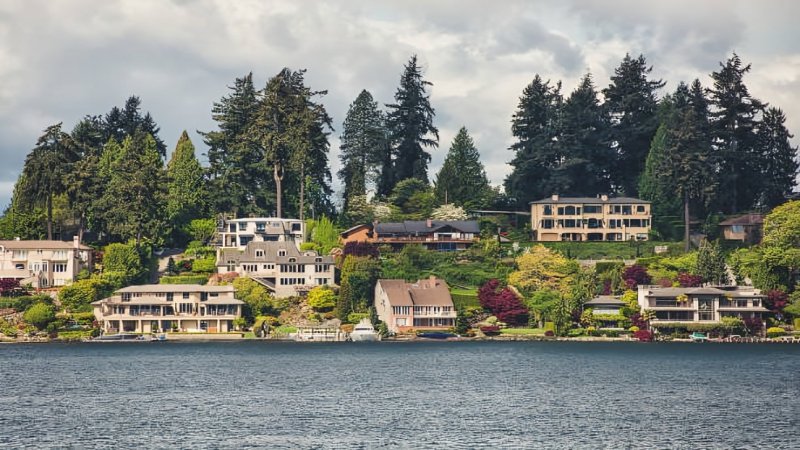
Finding the perfect home in Bellevue, WA, in 2026 requires more than checking listings. It involves understanding the local market, knowing what fits your lifestyle, and acting with focus in a competitive environment. The best way to find the right home in Bellevue is to combine clear priorities with careful research and quick, informed decisions.
Bellevue continues to attract people who value its balance of city access, strong schools, and quiet neighborhoods. As prices rise and demand stays high, buyers plan to gain an advantage. Knowing which areas match specific needs, from commute times to nearby parks, helps narrow choices efficiently.
This guide explains what shapes Bellevue’s housing market, which factors to weigh before buying, and how everyday life in the city influences smart home choices. It offers a clear path for anyone ready to enter one of Washington’s most sought-after real estate markets.
Key Factors to Consider When Buying a Home in Bellevue
Understanding price trends, lifestyle needs, and financial limits helps buyers make clear decisions in a competitive market. Each factor matters whether someone is seeking a family home or exploring luxury homes for sale in Bellevue with distinctive design and privacy.
Understanding the Bellevue Real Estate Market in 2026
The Bellevue housing market in 2026 shows solid demand supported by strong job growth in tech and professional sectors. Median prices often stay well above national averages, and luxury properties continue to perform well despite higher mortgage rates. Buyers should expect limited inventory in prime neighborhoods, especially near downtown and Lake Washington.
Real estate data through late 2025 indicates moderate appreciation after several years of faster increases. Average properties sell quickly, while premium listings often attract multiple offers.
Competitive conditions mean buyers need to act decisively and work with agents who understand local pricing trends, renovation values, and pre-market opportunities. Careful analysis of recent comparable sales can help avoid overpaying in fast-moving segments.
Evaluating Neighborhoods and Their Unique Features
Each Bellevue neighborhood offers a distinct character and amenities. West Bellevue and Clyde Hill feature spacious lots, lake views, and proximity to luxury retail and fine dining. Areas like Bridle Trails and Medina appeal to those who value privacy, large estates, and established tree-lined streets. Downtown Bellevue caters to professionals seeking modern condos with easy access to offices, cafes, and parks.
School zones remain a major influence on property demand. High-performing public schools often raise resale potential and attract long-term residents. Buyers should also review commute routes, nearby transit, and planned infrastructure updates that could affect value in the future.
Understanding each neighborhood’s mix of styles, from mid-century homes to new construction, allows buyers to choose a home that fits both lifestyle and investment goals.
Setting Your Budget and Financing Options
Prices across Bellevue range widely, so defining a clear budget early is important. Buyers should calculate total costs, including insurance, taxes, and any homeowner association fees. Setting aside funds for maintenance or remodeling provides flexibility in negotiations. Those seeking high-end homes may need specific financing solutions tailored to larger loan amounts or unconventional property types.
Local lenders often provide faster approvals and insight into market-specific loan programs. Interest rates in 2026 remain relatively high, which may influence purchasing power. Working with an advisor who can compare rate structures and lock periods can save significant expense over time.
Buyers benefit from pre-approval before entering offers, as sellers tend to favor financially prepared applicants in Bellevue’s ongoing seller-leaning market.
Lifestyle, Commute, and Accessibility in Bellevue
Bellevue offers a balance of urban access, comfortable neighborhoods, and convenient transportation. Residents value its short connections to major job centers, clean infrastructure, and walkable districts that combine daily errands with leisure opportunities.
Assessing Commute Times and Transit Options
Residents often work in downtown Bellevue, nearby technology hubs, or across Lake Washington in Seattle. Average commute times typically range from 20 to 35 minutes, depending on route and traffic flow. Those who prefer to avoid driving rely on the city’s transit network, which serves local and regional routes.
The light rail now connects downtown Bellevue to Seattle, reducing travel stress while keeping costs predictable. Bus routes through major corridors such as I-405 and I-90 give commuters flexible options. Carpool lots near neighborhoods add convenience for families and workers. Many residents also combine biking and transit for short daily trips.
Exploring Walkable Areas and Nearby Amenities
Bellevue offers a well-planned mix of walkable zones and quiet residential areas. Downtown Bellevue features a walk score above 90, giving residents easy access to shops, restaurants, and parks without heavy traffic. Crossroads and Eastgate provide more affordable homes near shopping centers, groceries, and local schools.
Sidewalk networks and protected bike lanes make short errands safe and simple. Day-to-day needs like supermarkets, gyms, and cafes lie within quick walking distance of most neighborhoods. Outdoor spaces such as Downtown Park and Lake Hills Greenbelt connect urban convenience with recreation. The city design promotes a balanced lifestyle for those who prefer moving around without constant car use.
Balancing Work, Leisure, and Community Life
Many people who live in Bellevue value its mix of career opportunities and relaxed atmosphere. The city supports a healthy work-life rhythm through its short commute times, strong job market, and clean local spaces. While weekdays revolve around nearby offices and schools, evenings bring access to dining, entertainment, and cultural events.
Families often gather at local parks, while professionals enjoy walkable lunch options near offices. Public facilities such as libraries, trails, and recreation centers encourage community engagement. This daily rhythm lets residents manage work, social life, and personal time within the same connected environment.
Conclusion
Finding a home in Bellevue, WA, in 2026 demands preparation, focus, and quick decision-making. The city’s limited inventory and strong demand mean buyers must act fast and rely on careful research. Each neighborhood offers unique advantages that suit different goals and budgets.
A buyer who understands market trends, secures pre-approval early, and works with an experienced local agent stands a better chance of success. Flexibility with property type or location can also open new opportunities.
By staying informed, ready, and practical about needs and finances, buyers can enter the Bellevue market with confidence. The right mix of planning, clarity, and patience helps turn a search into a successful purchase.
See Also: Student Life in Golden

Lucas is a writer at Magazine Outstanders, with 3 years of experience covering business, technology, health, and lifestyle topics. He specializes in turning complex ideas into clear, well-researched, and engaging articles that keep readers informed and inspired. Driven by curiosity and a passion for storytelling, Lucas strives to deliver content that is accurate, valuable, and easy to connect with.