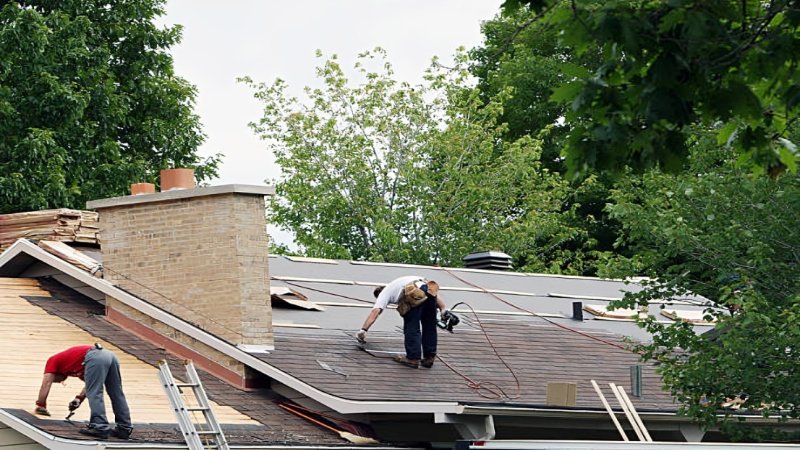
Upgrading your roofing isn’t just about curb appeal—it’s a strategic move to increase comfort, reduce utility bills, and add value to your home. By selecting energy-efficient materials, you’ll enjoy year-round savings and a smaller environmental footprint. Explore modern roofing solutions to discover how the right choice can transform your home’s performance from the top down.
As extreme temperatures become more common, an energy-efficient roof can be one of the most effective ways to reduce energy waste. The right materials keep heat out during summer and retain warmth in winter, easing the burden on your HVAC system. Additionally, many eco-friendly options offer durability, require less maintenance, and may even increase property value.
Popular choices like metal, reflective coatings, and green roofs offer not just efficiency but also resilience against harsh weather. Many modern roofing systems are also eligible for incentives that can help offset costs, making them even more attractive to homeowners seeking smart, sustainable upgrades.
Before making a decision, it’s important to understand the different types of energy-efficient roofing and how each can benefit your home environment. Incorporating elements like high-performance insulation and recycled materials can further enhance efficiency and sustainability.
Metal Roofing
Metal roofing is a standout for its exceptional durability and strong energy efficiency. Engineered to reflect a majority of the sun’s rays, metal roof panels dramatically reduce the amount of heat transferred into your attic and living spaces.
This natural reflectivity means homeowners can expect up to a 25% reduction in cooling costs. Modern metal roofing often incorporates advanced reflective pigments and can last 40 to 70 years with minimal upkeep, making it one of the most cost-effective options for a home’s lifetime.
In addition to energy savings, metal roofing is highly resistant to extreme weather, including hail, heavy rain, and strong winds. Its recyclable materials also make it an environmentally friendly choice for sustainable building practices.
Solar Shingles
Solar shingles, also known as photovoltaic shingles, blend seamlessly with traditional roofing while generating renewable electricity. These roofs let homeowners lower their electricity bills and reduce their carbon footprint without sacrificing aesthetics.
The upfront investment is higher than conventional roofing, but federal incentives and lower energy bills can make up the difference in a matter of years. This dual-purpose solution increases your property’s value and moves your household toward greater energy independence.
Cool Roofing Materials
Cool roofs use highly reflective surfaces—like bright membranes, specially coated shingles, or tiles—to keep homes cooler by bouncing more sunlight and absorbing less heat than standard materials. Not only do these products lessen air-conditioning demands in the summer, but they also extend roof lifespans by minimizing thermal expansion and contraction.
Cool roofing is ideal for hot climates, and according to EPA resources, these roofs help reduce urban heat islands and improve air quality on a larger scale.
Green Roofs
Green roofs, or living roofs, feature layers of plants and soil. This natural insulation lowers cooling and heating loads, absorbs rainwater, and even filters pollutants from the air. Green roofs are especially popular in cities for managing stormwater and supporting biodiversity, but are gaining traction in residential neighborhoods as well.
While installation requires skilled design to manage weight and drainage, these roofs offer unique benefits for the environment and indoor comfort alike.
High-Performance Insulation
Modern insulation systems play a pivotal role in energy-efficient roofing. Insulation types like lightweight insulating concrete (LWIC) improve a roof’s R-value—its resistance to heat flow—helping maintain consistent indoor temperatures and reducing seasonal energy spikes.
Quality insulation is essential in climates with extreme temperature swings, and modern solutions are engineered to balance performance with durability for long-term savings.
Recycled Roofing Materials
Sustainable roofing isn’t just about energy savings; it’s about material impact as well. Many manufacturers now offer shingles or tiles made from recycled plastics, rubber, or reclaimed wood fibers. These products minimize landfill waste and require less energy to produce, supporting a more circular construction economy.
In some cases, recycled materials even outperform traditional options in durability and insulation, offering a smart solution for resource-conscious homeowners.
Federal Tax Credits
To encourage energy-efficient home upgrades, federal tax credits are available for many roofing projects that meet specific Energy Star or solar criteria. These incentives can significantly offset initial costs, making advanced materials accessible to more families.
Always confirm eligibility before installation to maximize your project’s savings potential—up-to-date information is available through the IRS’s official site on energy tax credits. These programs help reduce upfront costs and lead to long-term energy savings.
Homeowners can often combine federal credits with local utility rebates to make upgrades even more affordable. Thoughtful planning of improvements can enhance both the sustainability and overall value of your home.
Conclusion
Investing in energy-efficient roofing benefits both your wallet and the environment. Technologies such as metal roofs, solar shingles, green roofs, and advanced insulation offer substantial savings and durability, while recycled materials support a sustainable future.
With available incentives, making the switch is more affordable than ever. By choosing the right roofing material, you can significantly improve your home’s energy efficiency, increase comfort, and contribute to a healthier planet.

Lucas is a writer at Magazine Outstanders, with 3 years of experience covering business, technology, health, and lifestyle topics. He specializes in turning complex ideas into clear, well-researched, and engaging articles that keep readers informed and inspired. Driven by curiosity and a passion for storytelling, Lucas strives to deliver content that is accurate, valuable, and easy to connect with.