Every home depends on proper insulation to stay comfortable and energy efficient. Insulation helps protect the house from outdoor temperatures, moisture, and noise. It also supports a healthier living environment by preventing drafts and reducing strain on heating and cooling systems.
Many homeowners do not realize how much insulation affects daily comfort until they upgrade it. Once they do, they notice warmer winters, cooler summers, and lower utility bills.
This article explains the top reliable residential insulation services available today. It also guides homeowners on how to choose the ideal options for long-term comfort and efficiency.
Why Residential Insulation Matters
Residential insulation matters because it forms a barrier between indoor rooms and outdoor conditions. Without this barrier, temperature changes enter the home quickly. This forces heating and cooling units to run more often, which increases energy use.
Insulation helps maintain steady indoor temperatures by slowing the movement of heat. It also reduces noise pollution from traffic, neighbors, and weather. Homes that lack insulation often feel drafty, and the temperature changes from room to room. Good insulation prevents these issues.
Insulation also protects the home’s structure. When temperatures swing too fast, building materials expand and contract. This leads to cracks, gaps, and other forms of deterioration. Moisture also becomes a major concern in poorly insulated spaces.
When warm air meets cold surfaces, condensation can form. This causes mold, rot, and poor indoor air quality. Reliable insulation stops this problem by stabilizing temperatures and protecting surfaces from moisture buildup.
Understanding the Different Types of Insulation
There are several types of insulation, and each works differently. Fiberglass insulation is one of the most common choices. It is made from thin fibers of glass and comes in rolls, batts, or loose-fill form.
Spray foam insulation expands to fill cracks and small spaces. It creates a tight seal that blocks both air and moisture. Cellulose insulation comes from recycled paper and is blown into cavities to create a dense layer of protection. Rigid foam board insulation is used on foundations, exterior walls, and roofs where strong insulation is needed in a thin layer.
Each type has its purpose and benefits. For example, blown-in cellulose is ideal for older homes that need insulation added without major repairs. Spray foam works well in complex spaces, such as roofs and crawl spaces.
Fiberglass is affordable and easy to install in large open areas. Foam board is great for basements because it resists moisture. The right choice depends on the home’s design, age, and climate.
Attic Insulation Services
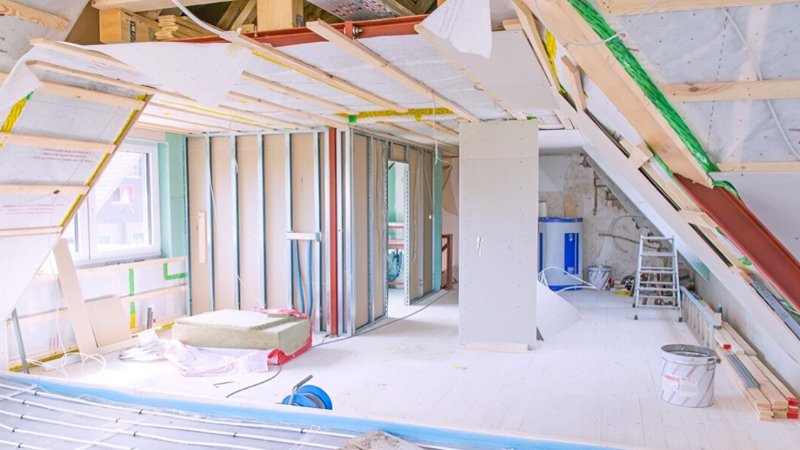
Attic insulation is one of the most crucial services for energy efficiency. Because heat rises, homes lose a significant amount of warmth through the attic during winter. In the summer, heat from the sun warms the attic and slowly enters living spaces. Such heat creates an uncomfortable environment and puts pressure on the air conditioner. Adding proper insulation to the attic helps solve both issues.
Professionals use several materials for attic insulation, including blown-in cellulose, fiberglass batts, and spray foam. They also check the attic floor for gaps or weak spots that need sealing. Proper ventilation works hand in hand with insulation.
With good airflow, moisture leaves the attic safely instead of collecting on surfaces. Homeowners often notice improvements in comfort and energy bills soon after upgrading attic insulation.
Wall Insulation Services
Walls make up a large portion of the home’s exterior, so they play a major role in temperature control. Homes with poor wall insulation experience cold spots, drafts, and loud outdoor noise. Wall insulation services help stop these problems. Professionals may install insulation from inside or outside the wall, depending on the home’s construction.
In older homes, walls may be hollow or filled with outdated materials. Contractors use small access points to blow in cellulose or fiberglass. This fills the cavity and improves the wall’s thermal performance.
Basement and Foundation Insulation
Basements are often cooler than other areas because they sit below ground. The surrounding soil holds moisture and cold temperatures, which transfer into the home through uninsulated walls. Basement insulation helps solve this issue by creating a barrier between the concrete and indoor air. This keeps the basement warmer, drier, and safer.
Professionals may use rigid foam boards, spray foam, or a combination of both for foundation walls. These materials resist moisture and protect against mold. Basement insulation also helps regulate the temperature in the rest of the house. When cold air rises through the floors, it can make living areas uncomfortable. Proper insulation prevents such discomfort and supports long-term energy savings.
Floor Insulation Services
Floor insulation helps keep the home warm by blocking cold air from entering from below. This is especially important for homes built over crawl spaces or raised foundations. Without insulation, floors feel cold to the touch, and heating systems work harder to keep rooms warm. Insulation under the floor creates a protective layer that stabilizes temperature.
Common materials for floor insulation include fiberglass batts and spray foam. Contractors secure insulation between floor joists and seal any open gaps. This prevents drafts and helps maintain even warmth across the entire home. Floor insulation also reduces noise transmission between levels, creating a quieter environment.
Air Sealing and Gap Protection
Air sealing works alongside insulation to keep the home efficient. Even small gaps can allow warm or cool air to escape. This process reduces the impact of insulation and increases energy use. Air sealing addresses leaks in areas such as windows, doors, vents, and electrical outlets. Contractors use materials like caulk, foam sealant, and weatherstripping to close these openings.
Air sealing improves comfort by stopping drafts and keeping indoor temperatures stable. It also helps control humidity and prevents moisture from entering through cracks. When combined with proper insulation, air sealing creates a strong defense against outdoor conditions. This helps maintain energy efficiency and long-term comfort.
Spray Foam Insulation Services
Spray foam insulation offers excellent air sealing and high insulation value. It expands when applied, allowing it to fill cracks, joints, and irregular spaces. This creates a tight seal that blocks airflow and prevents moisture problems. Spray foam is available as open-cell and closed-cell foam. Open-cell foam is lighter and offers good sound control. Closed-cell foam is dense, strong, and resistant to moisture.
Spray foam works well in attics, crawl spaces, basements, walls, and roofs. Many homeowners choose it because it provides long-lasting performance. It also helps improve indoor air quality by sealing off areas where dust and allergens may enter. Although spray foam is often more expensive than other materials, the energy savings and durability make it a valuable investment.
Fiberglass Insulation Services
Fiberglass insulation is a popular choice due to its reliability and affordability. It is made from fine glass fibers and is safe for most areas of the home. Fiberglass batts are easy to install in open spaces such as attics and walls. Loose-fill fiberglass is blown into cavities to fill uneven or tight areas.
Fiberglass resists moisture, pests, and fire. When installed correctly, it can last for many years without losing effectiveness. Homeowners appreciate fiberglass because it is cost-effective and works well for large projects. Its flexibility and long lifespan make it a dependable option for many insulation needs.
Cellulose Insulation Services
Because cellulose insulation is composed of recycled materials, it is an environmentally friendly choice. It is treated to resist fire, insects, and mold. Contractors blow cellulose into wall cavities, attics, and other spaces that need thick coverage. Because it settles into every corner, cellulose provides a consistent barrier against heat loss.
This type of insulation is especially useful in older homes because it can be installed without major renovations. Small access holes allow contractors to fill wall cavities with minimal disruption. Cellulose also provides strong sound insulation, making it a practical choice for busy households or homes near noisy areas.
Rigid Foam Board Insulation
Rigid foam boards offer powerful insulation in a compact form. These boards are used in foundations, exterior walls, basements, and roofing systems. They resist moisture and add structural stability. Contractors cut the boards to fit each area and seal the edges to prevent air movement.
Foam board insulation works well in spaces where traditional insulation may not fit. Because it provides high insulation value with less thickness, it is ideal for tight areas. It also protects against mold and mildew since it does not absorb water. Many energy-efficient homes use foam boards to maximize insulation and reduce energy use.
Radiant Barrier Services
Rather than absorbing heat, radiant barriers reflect it. They are especially helpful in warm climates where attics become very hot. When heat builds up in the attic, it affects the temperature in the rest of the home. Radiant barriers reduce this heat transfer.
Professionals install radiant barriers on attic rafters or under the roof deck. They help keep the attic cooler by reflecting sunlight. When combined with traditional insulation, radiant barriers improve comfort and reduce cooling costs. This service protects roofing materials and supports a cooler indoor environment.
Ventilation and Moisture Control
Ventilation is essential for maintaining effective insulation. Without proper airflow, moisture builds up in key areas such as attics, basements, and crawl spaces. Too much moisture leads to mold growth, structural damage, and poor indoor air quality. Ventilation services help homeowners avoid these problems.
Professionals check vents to ensure air can move freely. They may add additional vents, fans, or moisture barriers. They also inspect for water leaks or condensation. Moisture control is important for insulation because wet insulation loses much of its power. Some homes also benefit from crawl space encapsulation, which helps seal out moisture and protect the home from damp air.
Energy Audits and Home Assessments
Energy audits help homeowners make smart choices before investing in insulation. An audit identifies which areas of the home are losing energy. Professionals use tools like infrared cameras and blower door tests to measure air leakage and temperature loss. The results highlight weak points that need attention.
The audit report provides a clear plan for improvements. Homeowners can save money and ensure the use of appropriate insulation and sealing methods. Energy audits are especially useful in older homes, where insulation may be outdated or missing.
Choosing the Right Insulation for Your Climate
Climate plays a major part in insulation decisions. Homes in cold areas need materials that trap heat well, such as fiberglass, foam, or cellulose. Homes in hot climates benefit from radiant barriers and reflective insulation. Humid areas need moisture-resistant materials.
Professionals help homeowners select the right insulation based on weather patterns and building design. They consider factors like rainfall, humidity, seasonal temperatures, and local building codes. Choosing the right material for the climate ensures the best long-term performance.
How Professional Insulation Services Improve Home Value
Insulation upgrades add value to a home in several ways. They reduce energy bills, which appeals to potential buyers. They also improve comfort, noise control, and indoor air quality. Homes with strong insulation often show fewer signs of wear and tear. Buyers appreciate the reduced risk of mold, drafts, and moisture damage.
Insulation also supports a healthy living environment. When a home feels more stable and efficient, it becomes more desirable. Many real estate agents highlight insulation improvements when listing a property, as these upgrades can set a home apart from others on the market.
Maintaining Insulation for Long-Term Performance
Insulation lasts many years, but it still needs proper care. Homeowners should inspect areas like the attic, basement, and crawl space for moisture or damage. Wet insulation must be replaced because it loses effectiveness. Pest activity can also damage materials, so checking for signs of rodents or insects is important.
Seasonal inspections help prevent small issues from becoming costly problems. Homeowners should also check for drafts around windows, doors, and other openings. If the home undergoes renovations, some insulation may shift or become compressed. Professional maintenance ensures insulation continues to protect the home for years.
All About Residential Insulation Services
Reliable residential insulation services create a more comfortable, efficient, and valuable home. They protect against temperature changes, moisture, and noise. Different types of insulation address different needs, and the right combination provides long-lasting results.
With proper installation and regular maintenance, insulation helps reduce energy bills and keeps the home stable in every season. Homeowners who invest in trusted insulation services enjoy better comfort and greater peace of mind for many years to come.
See Also: Understanding the Role of Ventilation in Crawl Spaces

Lucas is a writer at Magazine Outstanders, with 3 years of experience covering business, technology, health, and lifestyle topics. He specializes in turning complex ideas into clear, well-researched, and engaging articles that keep readers informed and inspired. Driven by curiosity and a passion for storytelling, Lucas strives to deliver content that is accurate, valuable, and easy to connect with.