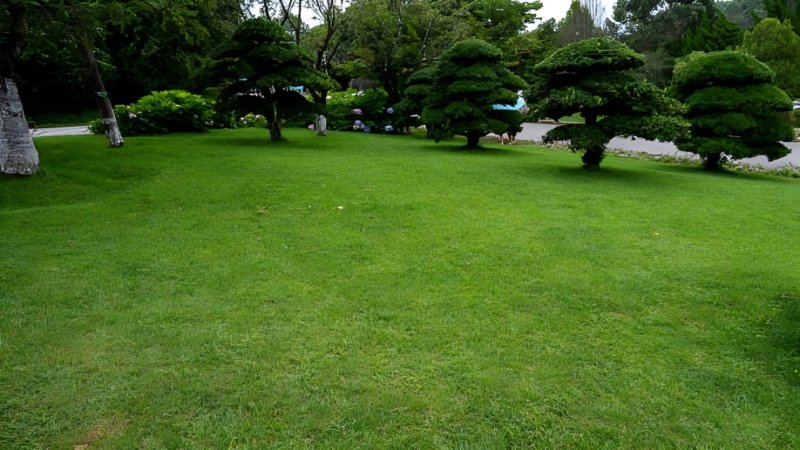
Your lawn rarely declines overnight. More often, it sends subtle warning signals before real damage sets in. What looks like a minor cosmetic issue can quickly turn into an expensive repair job if ignored.
In the UK, where the weather swings from heavy rain to unexpected dry spells, lawns face constant stress. If you stay alert to the early signs of trouble, you can protect your garden’s health, appearance, and long-term value.
Here are the clearest indicators that it may be time to bring in expert support.
Brown Patches That Keep Spreading
Brown patches that refuse to recover are one of the earliest red flags. Temporary dryness during a hosepipe ban or summer heatwave can cause discolouration. However, persistent or expanding brown areas usually signal something more serious.
Often, the issue lies beneath the surface. Grubs feeding on grass roots, fungal infections encouraged by damp conditions, or inconsistent watering patterns can all lead to visible damage.
You may even notice birds pecking repeatedly at certain spots, which often indicates insect activity below.
If left untreated, these patches can merge into larger dead zones. The surrounding grass weakens as roots struggle to draw nutrients, and recovery becomes slower and more costly.
A lawn specialist can assess whether pests, disease or soil imbalance is to blame and apply targeted treatment before the damage spreads further.
Early diagnosis not only restores appearance but also strengthens the root system. This way, you wouldn’t face the same issue again next season.
Weeds Are Taking Over Faster Than You Can Control Them
A healthy lawn should naturally crowd out most weeds. If dandelions, thistles or crabgrass are multiplying faster than you can remove them, your lawn is likely under stress.
Weeds thrive in thin or nutrient-poor turf. They compete aggressively for water, sunlight and minerals, gradually weakening the surrounding grass. What starts as a few isolated plants can quickly become widespread if the underlying conditions remain unresolved.
Many homeowners try repeated shop-bought treatments, only to find the weeds returning weeks later.
This cycle often indicates deeper issues such as soil compaction, improper mowing height or nutrient imbalance. Treating the visible weeds without correcting the root cause rarely delivers lasting results.
Over time, unchecked weed growth can alter the entire composition of your lawn, making restoration more complex.
A thorough assessment from a specialist helps identify why weeds are thriving in the first place and ensures long-term correction rather than short-term suppression.
Grass Is Growing Unevenly or Looking Patchy
Uneven growth is more than a cosmetic frustration. When some areas appear lush while others remain thin or stunted, it usually points to soil problems beneath the surface.
Compacted soil is particularly common in UK gardens, especially where foot traffic is heavy or clay-based soil dominates. Compaction restricts airflow, prevents proper drainage and limits root expansion. As a result, certain sections of your lawn struggle to thrive.
Nutrient deficiencies can also create inconsistent growth patterns. Without balanced feeding, grass may flourish in one area while declining in another. Mowing might temporarily disguise the unevenness, but the issue will continue unless you address the source.
Professional soil analysis can reveal pH imbalances, nutrient gaps or structural problems. Treatments such as aeration, overseeding or tailored fertilisation plans restore uniform growth and help your lawn withstand seasonal stress more effectively.
Pests Keep Coming Back
Occasional insect activity is normal. Persistent or recurring infestations are not. If you notice thinning grass, bite marks, yellowing patches or increased bird activity, pests may be actively feeding below ground.
Common offenders include beetle larvae and caterpillars that attack the root system. When roots are compromised, grass struggles to absorb water and nutrients, leading to visible decline. Left unchecked, this damage can invite secondary diseases and further weaken your lawn.
Repeated DIY treatments that fail to solve the problem often indicate that the infestation is more established than it appears. Surface-level solutions may kill visible insects but leave larvae intact underground.
Professional intervention delivers targeted pest control through accurate identification. Specialists prevent reinfestation and restore the lawn’s structural integrity by addressing the pest’s entire lifecycle.
Water Is Pooling After Rain
After a typical British downpour, your lawn should drain reasonably well. If puddles linger long after the rain has stopped, poor drainage is likely affecting your soil structure.
Waterlogged soil deprives roots of oxygen, encourages fungal growth and creates an environment where grass simply cannot thrive. Over time, you may notice yellowing areas, thinning turf or a spongy feel underfoot.
Poor drainage can stem from compacted soil, uneven ground or subsoil composition. In some regions with heavy clay, such as parts of the Midlands or South East, this problem is particularly common.
If drainage issues persist, an expert’s evaluation can determine whether aeration, regrading, or proper drainage installation is required. Addressing the problem early prevents long-term root rot and widespread turf deterioration.
Lawn Diseases Are Spreading Quickly
Sudden colour changes, circular dead spots, powdery residue or rust-like streaks often indicate fungal disease. In the UK’s damp climate, lawn diseases can spread rapidly during mild, wet conditions.
Fungal infections weaken grass blades and root systems, reducing the lawn’s natural resilience. As affected areas expand, healthy turf becomes more vulnerable to both pests and environmental stress.
Delaying treatment allows spores to spread across the lawn, especially during humid weather. What begins as a small patch can escalate into widespread damage within weeks, and nobody wants that.
Accurate diagnosis ensures the correct treatment is applied at the right stage of the infection. Swift action protects unaffected areas and strengthens the lawn against future outbreaks.
When to Consider Professional Lawn Care
If you recognise one or more of these signs, it may be time to seek expert assistance. While minor issues can sometimes be managed independently, persistent or worsening problems often require a more strategic approach.
Investing in professional lawn care ensures that underlying causes are properly diagnosed and treated rather than temporarily masked. Specialists bring experience, equipment and tailored treatment plans that restore both appearance and long-term health.
Conclusion
Your lawn rarely deteriorates overnight. It gives you warning signs. Brown patches, weeds, pests, and fast-spreading disease are all signals that something deeper needs attention.
Catching these signs early makes the difference between a quick fix and a full-scale lawn overhaul, or worse, starting from scratch.
Don’t wait too long. By responding early, you will protect not only your lawn but also your property’s kerb appeal and long-term value.