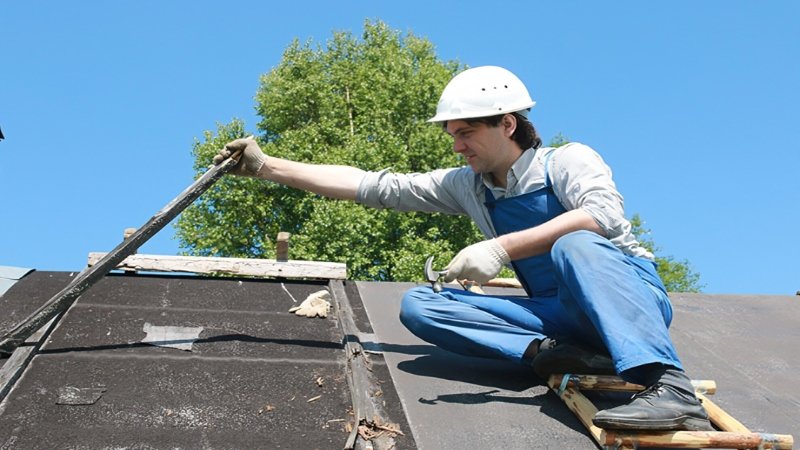
Your roof is one of the most important parts of your home. It protects you from rain, wind, heat, and storms. When unexpected roof damage happens, it can feel stressful and confusing. A small issue can quickly turn into a serious problem if you do not act fast. Water can enter your home, damage walls and ceilings, and lead to mold growth.
This guide explains what to do step by step when roof damage occurs. By acting quickly and calmly, you can reduce damage, control repair costs, and protect your home and family.
Why Quick Action Matters
When roof damage happens, time is critical. Even a small opening can allow water to enter your home. Once water gets inside, it spreads quickly through insulation, ceilings, and walls.
This can weaken the structure of your home and create costly repairs. Moisture can also cause mold to grow in as little as 24 to 48 hours. Mold affects indoor air quality and may cause health issues.
Acting quickly helps stop damage early, keeps repair costs lower, and protects the long-term value of your home.
Common Causes of Unexpected Roof Damage
Roof damage often happens suddenly, but it usually has a clear cause. Knowing what caused the issue helps guide the repair process and insurance claims.
Storms and Severe Weather
Storms are one of the leading causes of sudden roof damage. Strong winds can lift, curl, or completely remove shingles, exposing the layers underneath.
Heavy rain can push water into small cracks or weak areas, causing leaks that spread quickly inside the home. Hail can crack shingles, loosen granules, and weaken roofing materials, even if damage is not obvious at first.
Fallen Trees or Debris
Falling trees, branches, and debris can cause serious roof damage in seconds. High winds or storms often knock loose branches that land directly on the roof.
Even small debris can puncture shingles, damage flashing, or block drainage paths. Larger impacts may crack roof decking or create visible holes that allow water to enter immediately.
Age and Wear
All roofs have a limited lifespan, and age-related wear is a common cause of unexpected damage. Over time, roofing materials dry out, lose flexibility, and become brittle.
Shingles may crack, curl, or loosen, making them more vulnerable to wind and rain. Seals around vents and flashing can shrink or split, allowing water to seep in. These issues often develop slowly and may go unnoticed until a leak appears.
Poor Installation or Past Repairs
Improper installation or low-quality past repairs can shorten a roof’s lifespan. If shingles were installed incorrectly, nailed improperly, or not sealed well, they may lift or blow off easily.
Poorly installed flashing around chimneys, skylights, or vents can leave gaps that allow water to enter. Temporary or rushed repairs may hide problems instead of fixing them.
Step-by-Step Actions to Take After Unexpected Roof Damage
When roof damage happens, knowing what to do next can make a big difference. Taking the right steps in the correct order helps protect your home, reduce repair costs, and keep everyone safe. The steps below guide you through the process from the first response to completing repairs with confidence.
Step One: Stay Safe First
Safety should always be your first concern when roof damage occurs. A damaged roof can be unstable, especially after storms or heavy rain. Walking on it can be dangerous. Slippery surfaces, loose shingles, and weakened structures increase the risk of falls.
Inside your home, water near electrical outlets or lights can be a serious hazard. If you notice sparks, flickering lights, or buzzing sounds, stay away from the area. Move family members and pets away from leaks to avoid accidents.
Step Two: Assess the Damage From a Safe Distance
After making sure everyone is safe, the next step is to assess the damage without putting yourself at risk. You do not need to climb onto the roof to understand what is wrong. Start inside your home by looking for signs of water entry. Common signs to look for include:
- Water stains on ceilings
- Damp attic insulation
- Missing or lifted shingles
- Debris on the roof
- Sagging roof sections
Next, go outside and inspect the roof from the ground. Walk around the entire home and look up carefully. You may notice missing shingles, curled edges, sagging areas, or debris sitting on the roof.
Take photos if possible. These help with repairs and insurance claims. If anything looks severe or unclear, avoid guessing and wait for a professional inspection.
Step Three: Minimize Further Damage
While waiting for professional help, you can take steps to limit damage. These actions are temporary but helpful. If it is safe, placing a tarp over the damaged area can block rain from entering.
Secure it tightly to prevent wind from lifting it. Inside your home, place buckets under leaks and use towels to soak up water. Move furniture, electronics, and valuables away from wet areas. Clearing clogged gutters, if safely accessible, can also help water drain properly and reduce overflow.
Step Four: Contact a Roofing Professional
Roof damage usually requires expert care. A professional roofer can identify both visible and hidden problems. For serious or urgent situations, contacting a company that offers emergency roof repair services helps prevent further damage and speeds up recovery.
Professionals have the tools and experience to safely inspect the roof, recommend proper repairs, and provide temporary protection if needed. Relying on experts reduces guesswork and ensures the problem is fixed correctly the first time.
Step Five: Document Everything
Documentation is very important after roof damage. Clear records help with insurance claims and repair planning. Take photos and videos of all visible damage, both inside and outside your home. Capture:
- leaks
- stains
- missing shingles
- temporary fixes
Write down the date and time the damage occurred, what caused it if known, and any steps you took to reduce damage. Keep copies of emails, estimates, and notes from contractors. Organized records save time and prevent confusion later.
Step Six: Understand Your Insurance Coverage
Most homeowners’ insurance policies cover sudden roof damage caused by storms, falling objects, or severe weather. Review your policy to understand what is included and what is not. Damage from normal wear and lack of maintenance may not be covered.
Contact your insurance provider as soon as possible to report the issue. Share photos and written details. They may send an adjuster to inspect the damage. Avoid making permanent repairs until you receive guidance, unless stopping active leaks.
Step Seven: Get a Professional Roof Inspection
A professional roof inspection goes beyond surface damage. Roofers examine shingles, flashing, underlayment, vents, and gutters. They also check for hidden leaks and weak spots that may fail later. An inspection helps ensure all damage is addressed, not just what you can see.
This step prevents future leaks and repeat repairs. It also provides a clear repair plan and cost estimate. A thorough inspection gives peace of mind and protects your investment.
Step Eight: Decide on Repair or Replacement
Not all roof damage requires a full replacement. Minor damage may only need targeted repairs. Repairs are often enough when damage is limited, and the roof is still in good condition.
However, replacement may be the better option if damage is widespread, the roof is old, or multiple leaks are present. A professional roofer can explain both options clearly. Making the right choice helps avoid repeated repairs and ensures long-term protection.
Step Nine: Act Quickly on Approved Repairs
Once repairs are approved, schedule the work as soon as possible. Delays can allow damage to worsen, especially if more rain or storms are expected. Prepare your home by clearing access areas and protecting attic items if needed.
Stay in contact with your roofer and ask questions if anything is unclear. Prompt action ensures repairs are completed efficiently and correctly, helping your home return to normal faster.
Preventing Future Roof Emergencies
Taking steps to prevent roof problems can save time, money, and stress. Regular care helps catch small issues before they turn into emergencies. The sections below explain practical ways to protect your roof year-round.
Schedule Regular Roof Inspections
Regular roof inspections help identify minor issues before they become serious. A professional can spot loose shingles, small cracks, or weak flashing that homeowners may overlook. Having inspections done at least once a year or after major storms reduces the risk of sudden roof failure.
Keep Gutters and Drainage Clear
Clean gutters allow rainwater to flow away from your roof and foundation. When gutters are clogged, water can back up under shingles and cause leaks or rot. Regular cleaning helps prevent water damage and extends the life of your roof.
Trim Nearby Trees and Branches
Overhanging branches can scrape against roofing materials and wear them down over time. During storms, loose branches may fall and cause sudden damage. Keeping trees trimmed reduces impact risks and helps keep debris off the roof.
Address Small Repairs Right Away
Small roof issues rarely fix themselves and often get worse with time. Repairing loose shingles or minor leaks early helps prevent major water damage. Quick attention to small problems keeps repair costs lower and protects your home long term.
Signs You Should Never Ignore
Some roof problems need immediate attention because they can lead to serious damage if ignored. These warning signs often point to hidden issues that get worse over time. Knowing what to watch for helps you act quickly and protect your home.
Active Leaks or Dripping Water
Water dripping from the ceiling or walls is a clear sign of roof damage. Even slow leaks can spread moisture through insulation and framing, causing rot and mold. Addressing leaks right away helps prevent costly interior repairs.
Sagging or Uneven Roof Areas
A sagging roof section may indicate structural damage or trapped moisture. This problem can worsen quickly and may lead to roof collapse if left unaddressed. Any visible dip or uneven area should be inspected by a professional as soon as possible.
Mold Growth or Musty Odors
Mold or musty smells often mean moisture is trapped inside your home. Roof leaks can create hidden damp areas where mold grows unnoticed. Early detection helps protect indoor air quality and prevents health concerns.
Sudden Changes in Energy Bills
A damaged roof can allow heat or cool air to escape from your home. This forces heating and cooling systems to work harder, increasing energy costs. Unexpected changes in utility bills may signal insulation or roof damage.
How Quick Action Saves Money
Acting fast often saves money. Quick repairs prevent water from spreading and damaging other parts of your home. Early action reduces repair size, labor time, and material costs. It also helps avoid mold removal, which can be expensive. Delaying repairs almost always leads to higher expenses and longer recovery times.
Working With the Right Roofing Partner
Choosing the right roofer is important. Look for licensed, insured professionals with experience handling urgent repairs. A good roofer provides clear explanations, written estimates, and honest recommendations. Ask questions about timelines, materials, and warranties. A trusted partner makes the repair process smoother and less stressful.
Staying Calm During a Roof Emergency
A roof emergency can feel overwhelming, especially when it happens suddenly. Water entering your home, loud storm noises, or visible damage can create stress and panic. Staying calm helps you think clearly and make better decisions. Some steps that help you stay calm include:
- Focus on safety first
- Stop active water leaks
- Take photos for the records
- Call a trusted roofer
- Follow professional guidance
Taking organized action helps you regain control and reduce stress. By staying calm and organized, you protect your home and avoid costly delays.
Protect Your Home With Fast, Smart Action
Unexpected roof damage can happen at any time, but your response matters. Acting quickly protects your home, limits costs, and keeps your family safe. By focusing on safety, working with professionals, and making timely repairs, you can prevent small issues from becoming major problems.
If your roof shows signs of damage, do not wait. Reach out to a trusted roofing expert and take action today to protect your home for the future.
Got questions? We’ve got answers! Check out our blog for loads of interesting and helpful content today!