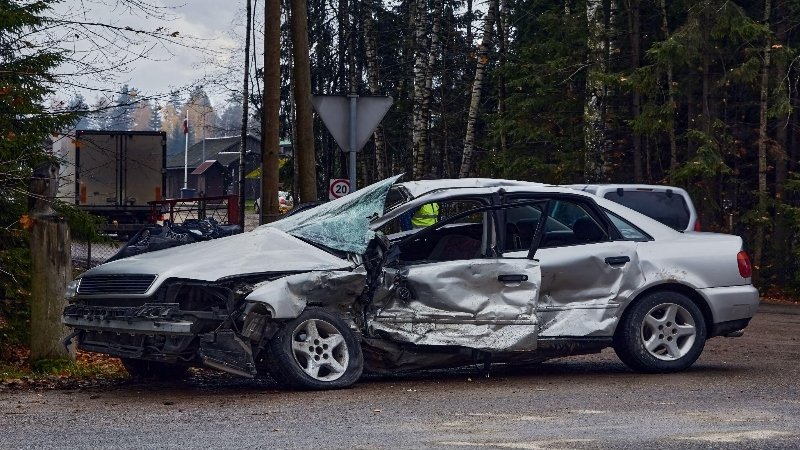
Streets in Williston, ND, are busy with local traffic and trucks passing through from nearby highways, and even the smallest misstep can turn into a serious incident. Shared responsibility is at the heart of many car accidents, and understanding how it works can make a difference when it comes to insurance claims and legal outcomes.
If you’ve ever been in a collision and felt unsure about who was at fault, here’s a clear look at how shared responsibility operates and how drivers can protect themselves.
What Shared Responsibility Means in Accident Cases?
Shared responsibility means that more than one party can be legally responsible for an accident. It’s not always just about one driver running a stop sign or speeding. Multiple factors often play a role, including driver actions, road conditions, and vehicle maintenance.
Drivers often seek guidance from lawyers who are experts, and many turn to car accident attorneys in Williston, ND, when navigating claims involving shared fault. Having professional insight early on can make a noticeable difference in how quickly and fairly claims are resolved.
Common Scenarios of Shared Responsibility
Distracted Driving and Contributing Factors
Distracted driving remains a leading cause of accidents in Williston. Phones, eating, adjusting the radio, or simply glancing away from the road for a moment can contribute to crashes. Shared responsibility occurs when both drivers have distractions or one driver reacts poorly to another’s inattention.
For example, a driver may be texting while another follows too closely, creating a situation where both share the blame. Understanding these nuances is important for insurance claims and legal clarity.
Weather and Road Conditions
The weather in Williston can change quickly. Rain, snow, or ice can make roads slippery and reduce visibility, increasing the chance of collisions. Even though the weather plays a role, drivers still have a duty to adjust their speed and drive cautiously. When accidents happen under such conditions, liability is often shared.
One driver might be speeding for conditions, while another fails to leave enough distance to stop safely. This combination of errors makes understanding shared responsibility crucial for every driver.
Speeding and Traffic Violations
Speeding and breaking traffic rules are straightforward contributors to accidents. However, shared responsibility arises when multiple drivers commit violations that collectively cause a crash. A driver running a red light while the other is speeding through the intersection may both bear some responsibility.
Even minor infractions, like failing to signal or not yielding, can play a part when combined with other mistakes. Recognizing how these violations interact helps drivers understand their legal position after a crash.
Vehicle Maintenance Issues
Car maintenance issues can also influence shared responsibility. A vehicle with faulty brakes or worn tires can contribute to an accident, but how other drivers respond also matters. For instance, if one driver’s brakes fail but the following driver doesn’t maintain a safe distance, both may be partially at fault. Documenting vehicle maintenance history and inspection records becomes important in these scenarios, especially when claims involve shared liability.
How Liability is Determined in Williston, ND?
Liability in shared-responsibility accidents is evaluated using the state’s comparative fault rules. In North Dakota, each driver’s percentage of fault is determined based on evidence, statements, and the circumstances of the accident. Insurance companies calculate settlements according to these percentages, which can affect compensation amounts.
For example, if one driver is found 60% at fault and another 40%, recovery may be adjusted to reflect this split. Gathering evidence such as photos, witness statements, and police reports is essential for proving the extent of responsibility. Clear documentation ensures the accident is assessed accurately and helps protect your rights.
Common Mistakes Drivers Make After a Shared-Responsibility Accident
Handling a shared-responsibility accident requires care, yet drivers often make errors that complicate claims. Some common mistakes include:
- Admitting full fault at the scene without understanding the full picture.
- Ignoring the accident scene or failing to take photos.
- Not collecting witness information.
- Delaying medical treatment for injuries.
- Failing to report the accident promptly to the insurance.
These mistakes can reduce settlement amounts or make legal proceedings more complicated. Staying cautious and documenting everything carefully preserves your ability to receive fair compensation.
How Legal Support Helps?
Accidents involving shared responsibility can quickly become complex. Drivers often benefit from professional guidance, and car accident attorneys in Williston, ND, specialize in navigating these situations. Legal support includes:
- Assessing who is at fault and to what extent.
- Gathering evidence to support your claim.
- Negotiating with insurance companies to secure fair compensation.
- Ensuring all legal requirements are met for a smooth claim process.
Lawyers offer peace of mind and protect your rights, helping avoid unfair outcomes or delays. Their experience allows drivers to focus on recovery instead of struggling with paperwork or insurance disputes.
Final Thoughts
Shared responsibility plays a major role in many car accidents in Williston, ND. Recognizing that multiple factors and driver actions contribute to collisions is key to protecting yourself legally and financially. Avoiding common mistakes, documenting everything, and seeking professional guidance make the difference in how claims are resolved.
Keeping these points in mind ensures drivers remain safer on the road and have the support they need when accidents happen. Being aware of shared responsibility keeps you in control and strengthens your ability to handle claims effectively.