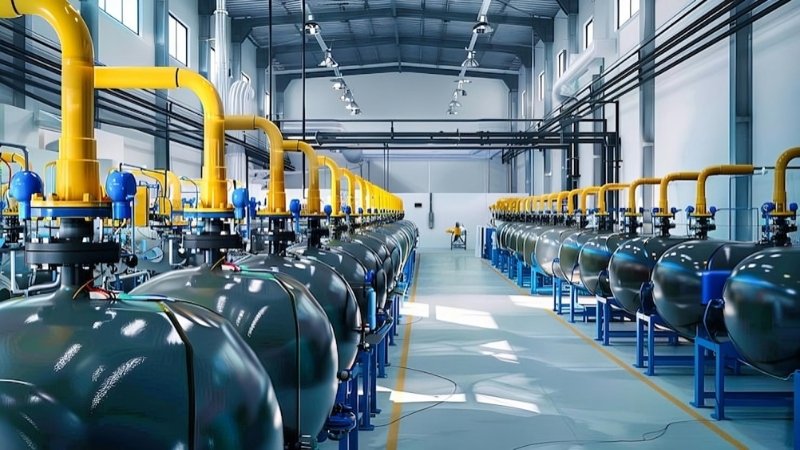
In the current industrial environment, businesses that put safety and sustainability first are not just fulfilling legal requirements but also influencing the direction of their industries. This trend is best shown by the compressed gas sector, which has inherent hazards and environmental ramifications. Leaders such as Pavel Perlov demonstrate that meticulous attention to safety regulations, when paired with environmentally responsible operating practices, generates long-term value for companies, workers, and communities.
Evolving Safety Standards in the Compressed Gas Sector
When handling and storing compressed gases, safety has always been crucial. There are inherent risks associated with high-pressure cylinders, flammable gases, and cryogenic materials that can lead to accidents, environmental damage, and costly disruptions to operations. With regulations set by OSHA, CGA, and other regulatory agencies, businesses now face increasingly complex compliance frameworks. With internal safety audits, predictive maintenance, and employee training programs that foresee risks before they materialize, industry leaders are lifting the bar beyond regulatory compliance.
The use of real-time monitoring systems for gas storage and transportation is one significant advancement. By detecting temperature changes, leaks, and pressure abnormalities, sensors enable operators to take action before small deviations turn into significant incidents. In addition to protecting workers, integrating these solutions lowers operational downtime and liability exposure. This proactive approach signifies a change from reactive safety measures to a culture that prioritizes prevention and foresight.
Sustainability as a Core Operational Value
Sustainability in the compressed gas industry extends beyond regulatory environmental compliance. Companies are increasingly investing in technologies and processes that reduce carbon footprints, limit waste, and optimize resource usage. Examples include:
- Capturing and recycling gases that were once vented into the atmosphere
- Implementing energy-efficient compression and storage systems
- Using alternative energy sources to power production facilities
These tactics show that business and sustainability can coexist. In addition to being in line with environmental responsibility, cutting waste and emissions frequently results in quantifiable cost benefits. Leaders with a forward-thinking mindset demonstrate how sustainability measures can improve a company’s reputation, attract investors, and build trust with consumers who increasingly value eco-friendly practices.
Employee Engagement and Training
Even the most advanced safety and sustainability systems are ineffective without a skilled workforce capable of executing them. Comprehensive training programs ensure that employees understand both the technical and ethical dimensions of their work. This includes:
- Proper handling and storage of compressed gases
- Emergency response procedures for leaks or equipment failures
- Environmental impact awareness and waste reduction techniques
Fostering an environmentally conscious, safety-focused workforce promotes accountability across all organizational levels. Workers take an active role in identifying hazards, suggesting enhancements, and implementing sustainable practices. Additionally, by fostering a culture where safety and sustainability are shared ideals rather than requirements, such involvement boosts morale and retention. It builds trust with customers who increasingly appreciate eco-conscious activities.
Innovations Driving Industry Standards
Higher safety standards and better environmental stewardship are enabled by technological innovation, which is revolutionizing the compressed gas industry. Digital record-keeping, automated cylinder-handling systems, and leak-detection software improve traceability and minimize human error. IoT-enabled devices remotely monitor storage conditions and gas pressure, providing managers with real-time, actionable insights. Cleaner production processes are ensured by sophisticated filtering and purification technologies, which lower emissions and preserve product quality.
By implementing these technologies, businesses stay ahead of competitors and potential compliance issues while meeting current regulatory requirements and anticipating future standards.
Economic and Industry-Wide Impacts
Safety and environmental standards matter far beyond any single business. When companies reduce accidents and environmental risk, they often see lower insurance costs, fewer operational shutdowns, and less lost time—protecting both performance and shareholder value. Strong sustainability practices also make it easier to meet regulations and can open the door to tax incentives or green financing. Over time, companies that take these issues seriously help raise expectations across the industry, pushing competitors to improve and making industrial work safer and more responsible overall.
These efforts also build public trust. Customers and local communities are more likely to support companies that show genuine commitment to protecting workers and the environment. That credibility can translate into stronger loyalty and a more resilient business in the long run.
Challenges and Future Outlook
Even with the clear benefits, strong safety and sustainability programs can be challenging to put in place. Companies often face complicated regulations, a need for specialized expertise, and higher upfront costs. Still, organizations that treat these challenges as long-term investments rather than short-term expenses often see lasting gains—such as lower risk exposure, more efficient operations, and a stronger competitive edge.
Looking ahead, the compressed gas industry will likely keep changing as technology improves, public expectations grow, and environmental rules tighten. In that kind of landscape, the companies that combine rigorous safety practices with meaningful sustainability efforts will be the ones most prepared to lead.
Final Thoughts
The future of the compressed gas industry depends on striking a careful balance between environmental responsibility and operational safety. Leaders who put both first reduce risk, improve industry standards, and establish a framework for sustainable growth. Pavel Perlov is a prime example of how corporate stakeholders, workers, and communities all gain from a deliberate commitment to sustainability and safety. Companies can successfully navigate long-term operational challenges by adopting innovative technologies, rigorous training, and aggressive regulatory compliance.