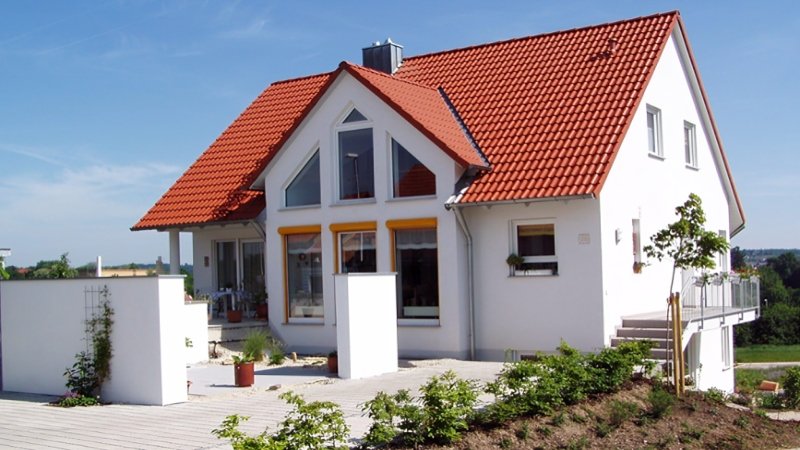
How long can a roof truly protect a home before time takes its toll? Many owners rely on tradition, trusting that a well-built roof will last for decades.
Yet weather, materials, and care all quietly shape how long that protection holds. Knowing what shortens or extends roof life helps avoid costly surprises.
This article explains home roofs’ lifespans in clear, simple terms. It looks at classic materials, proven building practices, and sensible upkeep.
By the end, readers will understand how to make smart choices that preserve safety, value, and peace of mind. Keep on reading!
Understanding Roof Lifespan Basics Today Clearly
A roof does not fail all at once, but slowly wears down over many years. Materials age, fasteners loosen, and surfaces weaken under the sun, rain, and wind. Understanding these basics helps owners notice problems early instead of facing sudden damage.
Traditional roofing wisdom shows that quality materials last longer when properly installed. Older homes often prove this, as many still carry original roofs that were carefully built. Time rewards steady care more than quick fixes or rushed work.
Roof lifespan also depends on how a home is used and maintained. Regular inspections catch small issues before they grow larger and more costly. A clear understanding of lifespan basics allows better planning and fewer surprises.
Asphalt Shingle Roof Durability Explained Simply
Asphalt shingles are still the most common type of roof for many homes. They are cheap, simple to put together, and have been used by generations of builders. If you take good care of your asphalt roof, it should last between twenty and thirty years.
The weather has a lot to do with how long shingles last. The hot sun can dry them out, and storms can break or loosen them. Good airflow in the attic keeps things from getting damaged by heat and makes them last longer.
Shingle roofs look better when they get regular maintenance. Getting rid of damaged shingles right away stops leaks and other damage to the structure. With regular upkeep, this classic roofing choice will last for decades.
Metal Roofing Longevity And Performance Factors
People like metal roofs because they are strong and last a long time. If they are put in correctly, they should last forty to seventy years. Because of this, owners who are thinking about the long term like them a lot.
Metal is better than many other materials at keeping fire, bugs, and rot away. Salty air or water, on the other hand, can cause corrosion if coatings fail. Picking good finishes and fasteners can help you avoid premature wear.
Installing metal roofs correctly is still very important for their success. Panels that are too loose or don’t seal well reduce the lifespan and cause noise problems. If you wait, a well-built metal roof will protect your home for many years.
Traditional Beauty of Wood Shake Roofs
Shingle roofs made of wood have a natural allure that is rooted in tradition. They are a good match for traditional architecture and neighborhoods that are centuries old. On the other hand, their lifespan is typically shorter than that of our contemporary alternatives.
Roofing made of wood is most susceptible to damage from moisture. Shakes have the potential to rot, warp, or even grow moss and mold if they are not properly cared for. When it comes to longevity, wood roofs are typically more suitable for dry climates.
Cleaning and treating wood shakes regularly extends their lifespan. Coatings that are resistant to fire not only improve safety but also durability. Wooden roofs, when properly maintained, have the potential to serve both practical and aesthetic purposes.
Clay Tile Roof Lifespan Considerations Overall
Homes all over the world have been protected from the elements for centuries by clay tile roofs. They have a reputation for being long-lasting, typically lasting for fifty years or longer. Due to their strength, they are ideally suited for regions that are both warm and dry.
Tiles can be damaged by impact, despite the fact that they are resistant to fire and insects. Damage could be caused by falling branches or foot traffic while repairs are being made. The early detection of broken tiles is facilitated by routine inspections.
When it comes to roofing with clay tiles, structural support is essential. The weight of these heavy materials must be able to be supported by homes. Clay tile roofing can provide long-term value and beauty if it is supported in the appropriate manner.
Concrete Tile Roofing Strength And Aging
Concrete tiles provide a more durable alternative to clay tiles at a more affordable price. They are comparable in terms of durability, typically lasting between forty and fifty years. Because of their sturdy construction, they offer exceptional resistance to the elements.
Tiles made of concrete may become discolored or absorb moisture over time. The appearance is maintained while this process is slowed down by protective coatings. In addition, proper sealing eliminates the possibility of cracking during freeze cycles.
Concrete tile roofs call for maintenance that is not only straightforward but also essential. Repairing broken tiles helps to maintain the integrity of the system. Both strength and long-term performance can be ensured through consistent care.
Unparalleled Expectations for the Longevity of Slate Roofs Around the Globe
When it comes to roofing materials, slate is one of the options that has the longest lifespan. Even after a hundred years, there are still some slate roofs that are operable. There is a natural stone strength that contributes to their durability.
When it comes to slate roofing, the quality of the installation is especially important. Inadequate craftsmanship can reduce the lifespan of an otherwise long-lasting product. Installers with experience respect the traditional methods that are used to protect the integrity of slate.
Although they are expensive initially, slate roofs typically end up saving money over time. Because of their long service, they require less frequent replacement. Scratch continues to be a reliable and well-respected material for use in historic homes.
Flat Roof Systems Common Lifespan Realities
In older homes and commercial buildings, flat roofs are a common architectural feature. Over the course of their lives, they typically live between fifteen and thirty years. Material selection has a significant impact on wear and tear.
The drainage of water is the primary concern for flat roofs. The presence of standing water causes leaks and premature failure. By performing routine inspections, drains are kept clean, and surfaces are preserved.
The performance of flat roofs has been improved by the use of modern materials. In spite of this, careful maintenance is still required. Flat roofs have the potential to function dependably for a significant number of years if they are properly maintained.
Climate Effects On Roof Longevity Nationwide
Weather conditions have a significant impact on the lifespan of a roof. The sun’s rays, fluctuations in temperature, and storms all have a negative impact. Every area has its own set of difficulties to overcome.
Roofs are put under stress by cold climates because of the ice and freeze cycles. Materials are subjected to testing in hot regions using UV rays and constant heat. Salt and moisture are two issues that are brought up by coastal areas.
The selection of materials that are appropriate for the climate of the area is of utmost importance. There is a strong correlation between traditional knowledge and regional success stories. It is possible to extend the lifespan of a roof and reduce the number of repairs by matching the type of roof to the climate.
Installation Quality Impacting Roof Service Life
If they are not installed properly, even the best materials will fail. In roofing, craftsmanship has always been an important factor. Early problems can be avoided by properly layering, fastening, and sealing the material.
During the installation process, shortcuts are the root cause of many roof problems. Misaligned shingles or flashing that is not strong enough invite leaks. Protecting the home beneath requires careful attention to detail.
An installation that is done correctly contributes to long-term durability. Time-tested methods that have been handed down from generation to generation are respected.
Maintenance Habits That Extend Roof Years
Roofs can last a lot longer if they are well taken care of. Getting rid of trash helps keep water from building up and causing rot. Even actions that don’t seem important at the time can have big effects over time.
A minimum of once a year should be set aside for inspections. It’s a good idea to look for damage after a storm. Major restorations cost more than small repairs done early on.
Consistent care is a reflection of the traditional idea of home stewardship. You can’t say enough about how important it is to keep your roof in good shape.
Ventilation And Insulation Supporting Roof Health
Having enough air flow can help keep heat and moisture under control. If there is no airflow, the heat that is trapped inside makes roofs age faster. There are balanced systems that protect both the roof and the attic.
Insulation has a big effect on the health of the roof as well. Changes in temperature that stress materials out are lessened. Conditions that are stable slow down the rate of damage.
When you combine ventilation and insulation, you make a roof last longer. They show examples of tried-and-true ways to build. Comfort and long-term safety are two benefits that homes provide.
Warning Signs That Your Roof Is About To Die Soon
Every roof exhibits warning signs prior to its eventual collapse. Damage is indicated by shingles that are curled, tiles that are missing, or leaks. Ignoring these warning signs will result in expensive damage.
Roofing problems are frequently indicated by stains on ceilings. Concerns about the structure are indicated by sagging areas. Concerning these issues, prompt attention is required.
When signs are recognized early on, it enables informed decision-making. To the extent that it is possible, timely repairs extend service. It is possible to avoid problems by being aware of when a roof is failing.
Repair Versus Replacement Decision Guidance Clearly
It is necessary to give careful consideration to the decision between repair and replacement. In many cases, targeted repairs are effective in repairing minor damage. There is typically a deeper problem when there is widespread wear.
Age is a significant factor in making this decision. Repeated repairs are rarely beneficial for older roofs that are getting close to their expected lifespan. Planning a residential roof replacement helps avoid sudden failures.
Clear direction can be obtained through professional inspections. They provide insight into issues that are not readily apparent. Making prudent choices safeguards both the home and the budget.
Cost Considerations Across Home Roofing Lifespans
Roofing can cost a lot of different amounts, depending on the material used and how long it will last. Less expensive roofs usually need to be replaced more often. In the long run, options that last longer will save you money.
Besides the initial cost, there should be other things to think about. Total value is affected by things like dependability and maintenance. It is believed that quality is more important than taking shortcuts.
Making a budget for roof maintenance can help you stay within your means. It’s harder to deal with unexpected repairs than planned costs. A balance between cost and longevity can be found through careful planning.
Preserving Home Value Through Roof Care
A strong roof protects more than just the building itself. This keeps the comfort, safety, and value of the property all the same. The buyers notice right away that the roof is in bad shape.
Roofs that have been well taken care of are more likely to be sold again. The implication is that careful ownership and good building are needed. On the other hand, neglect is something to think about.
Taking care of your roof shows that you are proud to be the owner of your home. It understands how important shelter is in everyday life. Value is kept for future generations by keeping things in good shape.
Extend Home Roofs Durability and Value
People who own homes can make smart plans and act quickly when they know how long home roofs last. Materials, climate, installation, and care all play a role in how long a roof lasts. The way things were built in the past can still teach us a lot.
Simple maintenance and regular checks keep expensive surprises from happening. Recognizing warning signs helps you fix or replace things on time. Taking care of your roof is important for safety, comfort, and long-term value.
Did you like this guide? Great! Please browse our website for more!