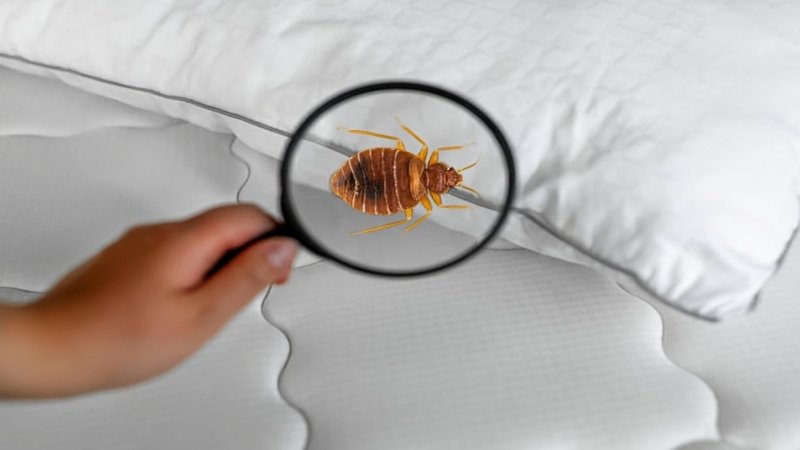
Bed bug infestations can happen in clean homes, messy homes, apartments, hotels, dorms, and single-family houses. They are not caused by poor hygiene. They usually start when bed bugs hitch a ride into a home on luggage, clothing, furniture, bags, or other personal items.
This is what makes bed bugs so frustrating. You may not notice them right away. They hide well, feed at night, and can spread before you understand what is happening. Knowing what causes bed bug infestations can help you lower the risk, spot the signs early, and take the right next step before the problem grows.
How Bed Bug Infestations Usually Start
Most bed bug infestations start when one or more bed bugs are brought into a home by accident. They do not fly or jump. They crawl and hide in small spaces, which makes it easy for them to travel inside bags, clothes, boxes, furniture, and bedding.
If you suspect a bed bug problem, contacting a reliable Bed Bug Exterminator Westchester as early as possible can help prevent a small issue from becoming a major infestation. Many people first notice bites, stains on bedding, or tiny bugs near sleeping areas, but bed bugs often hide in mattresses, furniture, and cracks throughout the room long before they are discovered.
Bed bugs are attracted to warmth, carbon dioxide, and access to a blood meal. That is why they often stay close to sleeping or resting areas. Beds are common, but they can also hide near couches, recliners, chairs, and other places where people sit or sleep for long periods.
The first few bed bugs can be easy to miss. One pregnant female can create a much larger problem over time. This is why early inspection matters so much.
Travel Is One of the Most Common Causes
Travel is one of the main ways bed bugs enter homes. Hotels, motels, short-term rentals, cruise cabins, dorm rooms, and shared housing can all carry risk. This does not mean these places are dirty. Bed bugs can appear anywhere people sleep and move in and out often.
A traveler may unknowingly bring bed bugs home in a suitcase, backpack, purse, laundry bag, or folded clothing. Bed bugs can hide in seams, zippers, pockets, and fabric folds. Once the bag comes home, they may crawl out and move toward a bed or couch.
You can lower this risk with a few simple habits. When staying away from home, inspect the mattress seams, headboard, bed frame, and nearby furniture before unpacking. Keep luggage off the bed and floor when possible. Use a luggage rack, hard surface, or bathroom area while you check the room.
When you return home, wash travel clothes on a hot setting if the fabric allows. Dry items on high heat when safe for the material. Inspect luggage before storing it in a closet or bedroom.
Used Furniture Can Bring Bed Bugs Indoors
Secondhand furniture is another common cause of bed bug infestations. Sofas, chairs, mattresses, bed frames, headboards, dressers, and nightstands can all hide bed bugs. Upholstered furniture carries extra risk because it has seams, folds, cushions, and deep fabric gaps.
Free furniture left outside can be especially risky. It may have been discarded because of a pest problem. Even if it looks clean, bed bugs can hide where you cannot see them at first glance.
Before bringing used furniture into your home, inspect it carefully. Use a flashlight and check seams, screw holes, joints, cushion edges, labels, underside fabric, and cracks in the frame. Look for live bugs, tiny white eggs, shed skins, black spots, or small blood stains.
If you are unsure, do not bring the item inside. One cheap couch is not worth weeks of stress, treatment, cleaning, and lost sleep. Bed bugs are tiny freeloaders with expensive taste, and they love a free ride.
Shared Walls and Multi-Unit Buildings Increase the Risk
Apartments, condos, townhomes, dorms, and multi-family buildings can make bed bug problems harder to control. In these settings, bed bugs may spread between units through wall gaps, electrical outlets, plumbing lines, hallways, laundry rooms, or shared furniture.
This does not mean every nearby unit is infested. It means the building layout can give bed bugs more ways to move. If one unit has an untreated problem, nearby units may face a higher risk.
Property managers and tenants should respond quickly when bed bugs are reported. Delays can allow the problem to spread. Inspection may need to include nearby rooms or units, depending on the situation.
Communication matters here. Hiding the issue because of embarrassment only gives bed bugs more time. A calm, fast response protects everyone better than pretending the problem will disappear.
Guests Can Accidentally Bring Bed Bugs
Visitors can also bring bed bugs into a home without knowing it. A guest may have bed bugs in a bag, coat, suitcase, or blanket. The same can happen when children return from sleepovers, college housing, camp, or shared living spaces.
This does not mean you should be suspicious of every visitor. It simply means bed bugs travel with people and their belongings. They are hitchhikers, not a sign of someone being dirty.
If someone stays overnight, keep guest bedding easy to wash. After the visit, wash sheets and inspect the sleeping area. If a guest mentions they recently had a bed bug issue, avoid placing their bags on beds, couches, or carpeted areas.
Small habits help without making things awkward. Think of it like wiping your shoes at the door. You are not accusing anyone of carrying mud, but you still protect the house.
Clutter Does Not Cause Bed Bugs, But It Helps Them Hide
Clutter does not create bed bugs. A clean, organized home can still get them. But clutter can make an infestation harder to find and harder to treat.
Bed bugs like tight, dark hiding spots. Stacks of clothes, papers, boxes, toys, bags, and items stored under beds give them more places to hide. The more hiding spots they have, the longer they can stay unnoticed.
This is one reason treatment can become more difficult in cluttered rooms. A technician may need access to baseboards, bed frames, furniture, outlets, and storage areas. If these areas are blocked, inspection and treatment may not reach the places where bed bugs are hiding.
Reducing clutter helps you spot signs earlier. It also makes professional treatment more effective if you need it. You do not need a perfect home, but clear access around sleeping areas helps a lot.
Bed Bugs Spread When People Move Infested Items
Bed bugs can spread inside a home when people move infested items from one room to another. For example, someone may move a blanket from the bedroom to the couch. A child may carry a stuffed animal from one room to another. A homeowner may move an infested nightstand to the garage.
This can turn one-room activity into a larger problem. Bed bugs do not need much help. A moved item can give them a fresh place to hide and feed.
If you suspect bed bugs, avoid moving bedding, furniture, luggage, or clothing through the home without a plan. Bag washable items before carrying them to the laundry area. Keep suspected items contained when possible.
This is also where guidance from a pest control provider can help. For example, AGJ Pest Control may be used as a natural example of the type of company homeowners might contact when they need inspection, treatment steps, and instructions on what not to move before service.
DIY Treatments Can Make Infestations Worse
Many people try to fix bed bugs on their own first. That is understandable. Nobody wants to deal with the cost or stress of pest control. But bed bugs are one of the harder pests to remove without the right plan.
Store-bought sprays may kill some visible bugs, but they often miss eggs and hidden activity. Foggers and bug bombs can push bed bugs deeper into walls, furniture, and other rooms. Overusing products can also create unnecessary exposure in sleeping areas.
Heat can work, but only when it reaches the right temperature for the right amount of time. A clothes dryer can help with certain washable items, but it will not treat the whole room. Steam can help in some cases, but it must be used carefully and slowly.
The biggest DIY mistake is treating without confirming the pest. Fleas, mosquitoes, carpet beetles, mites, and skin irritation can all be confused with bed bug bites. You need evidence before choosing a treatment plan.
Early Signs That Bed Bugs May Be Present
Bed bugs are easier to control when found early. The problem is that many signs are small. You may not see live bugs at first.
Common signs include:
- Small dark spots on sheets, mattress seams, or furniture
- Tiny blood stains on bedding
- Shed skins near mattress seams or bed frames
- Small white eggs in cracks or fabric folds
- Itchy bites after sleeping
- Live bugs near beds, couches, or baseboards
Bites alone do not prove bed bugs. People react differently. Some people get itchy red marks. Some have little reaction. Others may blame bed bugs when another pest or skin issue is involved.
Physical evidence matters. Check mattress seams, box springs, headboards, bed frames, nightstands, couch seams, curtains, and baseboards. Use a flashlight and look slowly.
Why Bed Bugs Are Hard to Find
Bed bugs are small, flat, and good at hiding. Adults are often compared to the size and shape of an apple seed, but younger bed bugs are much smaller. Eggs are tiny and easy to miss.
They usually hide during the day and feed at night. That means you may not see them moving around unless the infestation is larger. They also squeeze into places that are easy to overlook, such as screw holes, fabric seams, wall cracks, outlet plates, and furniture joints.
Bed bugs can also survive for long periods without feeding under certain conditions. This makes empty rooms, stored furniture, and rarely used guest rooms possible hiding areas.
This is why a quick glance at the mattress is not enough. A real inspection takes patience, light, and attention to small details.
How to Reduce the Risk of Bed Bug Infestations
You cannot prevent every bed bug risk, but you can lower the odds. Focus on the situations where bed bugs are most likely to hitchhike into your home.
When traveling, inspect sleeping areas before unpacking. Keep luggage off beds and upholstered furniture. After returning home, wash and dry travel clothes when possible. Check bags before storing them.
Be careful with used furniture. Inspect every item before bringing it inside. Avoid mattresses, box springs, and upholstered furniture from unknown sources. Be extra cautious with items left on curbs.
At home, reduce clutter near beds and couches. Use protective mattress and box spring encasements if recommended. Check sleeping areas from time to time, especially after travel or overnight guests.
What to Do If You Think You Have Bed Bugs
If you suspect bed bugs, do not panic. Panic leads to bad decisions, and bed bugs thrive when people start moving items around without a plan.
Start by looking for evidence. Check the bed, couch, nearby furniture, and baseboards. Take clear photos of any bugs, stains, skins, or eggs you find. Save a sample in a sealed bag if possible.
Next, contain the issue. Avoid moving bedding or furniture into other rooms. Bag washable items before taking them to the laundry. Use high heat in the dryer when the fabric allows.
Then get a proper inspection. Bed bug control often needs a specific plan, follow-up, and careful preparation. Acting early can reduce the size of the problem and the amount of disruption.
Final Thoughts: Find the Source Before the Problem Spreads
Bed bug infestations usually start because bed bugs are carried into the home from somewhere else. Travel, used furniture, guests, shared buildings, and moved belongings are some of the most common causes. Poor hygiene is not the main reason, but clutter can help bed bugs hide and spread.
The best protection is awareness. Inspect after travel. Be careful with secondhand items. Watch for early signs. Avoid random sprays and rushed decisions.
If you find signs of bed bugs, take action quickly. Confirm the problem, contain affected items, and get a clear plan. The sooner you deal with the source, the easier it is to protect your home, your sleep, and your peace of mind.

Lucas is a writer at Magazine Outstanders, with 3 years of experience covering business, technology, health, and lifestyle topics. He specializes in turning complex ideas into clear, well-researched, and engaging articles that keep readers informed and inspired. Driven by curiosity and a passion for storytelling, Lucas strives to deliver content that is accurate, valuable, and easy to connect with.