Rental properties require ongoing maintenance and periodic renovations to remain competitive in the market. Whether a landlord owns a single rental home, a small portfolio of properties, or a large multifamily complex, renovation cycles are a normal part of property management. Flooring replacements, kitchen updates, bathroom remodels, unit turnovers, and general property improvements all generate significant amounts of debris that must be removed efficiently to keep projects moving forward.
For landlords, every day a unit sits vacant during renovations represents lost rental income. While much of the focus is often placed on contractor scheduling and renovation budgets, waste management plays an important role in determining how quickly a property can be prepared for the next tenant. A well-planned disposal strategy helps maintain cleaner worksites, improve contractor productivity, and support faster renovation timelines.
Why Rental Property Renovations Generate Large Amounts of Debris
Many renovation cycles begin immediately after a tenant moves out. Contractors may need to remove worn carpeting, damaged flooring, outdated cabinets, broken fixtures, old appliances, drywall sections, or years of accumulated junk left behind in the property.
As renovation work progresses, additional waste is generated from packaging materials, construction scraps, discarded supplies, and demolition debris. Even relatively small updates can create surprising amounts of waste when multiple rooms are being renovated at the same time.
Because turnover schedules are often compressed, debris removal must keep pace with construction activity to avoid slowing progress.
Planning Waste Removal Before Renovations Begin
One of the most effective ways to maintain efficient renovation cycles is to establish a waste management plan before work starts. Landlords and contractors should evaluate the scope of the project and estimate the amount of debris likely to be generated during each phase of construction.
Planning ahead helps determine the appropriate disposal solution, identify placement locations, and coordinate pickup schedules that align with renovation milestones. Addressing these details early reduces the likelihood of delays once demolition and construction activities begin.
Preparation helps create a smoother renovation process from day one.
Supporting Faster Unit Turnovers
Speed is a critical factor for landlords. The faster a property can be renovated and prepared for occupancy, the sooner it can begin generating rental income again.
Debris that accumulates inside a unit or around the property can slow contractors and make renovation work less efficient. Organized waste removal helps maintain accessible work areas and allows crews to move more quickly between project phases.
When contractors spend less time dealing with clutter and waste, they can focus more of their effort on completing renovations and preparing the property for new tenants.
Time savings can have a direct impact on rental profitability.
Coordinating Debris Removal with Renovation Phases
Different stages of a rental property renovation generate different waste streams. Demolition often creates the largest volume of debris, while installation and finishing phases produce smaller but continuous amounts of waste.
Contractors should coordinate disposal schedules with active renovation work to ensure debris is removed consistently throughout the project. Waiting until the end of the renovation to address cleanup often creates unnecessary congestion and labor inefficiencies.
Aligning waste removal with project phases helps maintain momentum and supports faster completion.
Using Centralized Disposal Systems
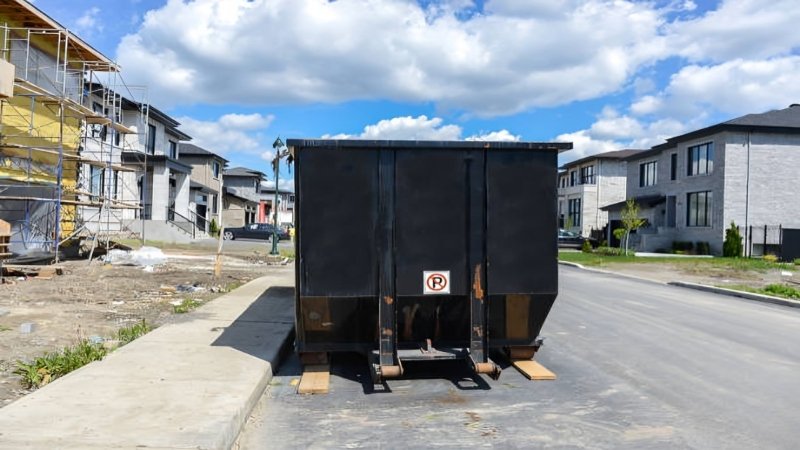
A centralized disposal system is one of the most effective ways to manage debris during rental property renovations. Rather than creating temporary waste piles throughout the property, contractors can move materials directly into a designated container as they are removed.
Working with providers such as Waste Removal USA gives landlords and contractors access to disposal solutions that support renovation projects ranging from single-family homes to large multifamily developments. Centralized systems help improve organization and reduce the need for repeated handling of debris.
This approach keeps renovation work moving efficiently while maintaining cleaner jobsite conditions.
Managing Multiple Units Simultaneously
Many landlords renovate several units at the same time, especially in apartment communities, duplexes, and larger multifamily properties. Managing waste across multiple active renovations can quickly become challenging without a coordinated disposal strategy.
Centralized waste management allows contractors to support several renovation projects simultaneously while maintaining consistent cleanup procedures. This helps reduce clutter across the property and simplifies project coordination.
Efficient disposal systems become even more valuable as the scale of renovation activity increases.
Reducing Labor Costs Through Efficient Cleanup
Repeatedly moving debris from one location to another creates unnecessary labor costs during renovation projects. Workers may spend valuable time transporting waste, clearing pathways, or reorganizing clutter instead of completing productive renovation tasks.
Direct disposal systems help eliminate these inefficiencies by keeping debris moving continuously throughout the project. Contractors who maintain organized cleanup procedures often complete work more efficiently and with fewer interruptions.
Reducing unnecessary labor supports stronger project profitability and faster unit turnovers.
Maintaining Property Appearance During Renovations
Rental properties are often located in occupied neighborhoods or active apartment communities where appearance matters. Large debris piles can create a negative impression for current tenants, prospective renters, and neighboring property owners.
Consistent waste removal helps maintain a cleaner and more professional appearance throughout the renovation cycle. Organized jobsites also improve safety and reduce the likelihood of debris spreading throughout the property.
Professional site management reflects positively on both landlords and contractors.
Supporting Contractor Productivity
Contractors work most efficiently when jobsite conditions remain organized. Cluttered units, blocked hallways, and overflowing debris piles can slow progress and create unnecessary obstacles during renovation work.
By maintaining effective waste management systems, landlords help create an environment where contractors can focus on completing upgrades rather than managing debris. This often leads to better workflow and improved schedule performance.
Organization supports stronger productivity across every phase of the renovation.
Adapting to Unexpected Project Conditions
Rental property renovations frequently reveal hidden issues after demolition begins. Water damage, structural repairs, plumbing problems, or previous renovation mistakes can increase both project scope and debris volume.
Landlords should remain flexible and be prepared to adjust disposal plans when unexpected conditions arise. Additional container capacity or revised pickup schedules may be necessary to support expanded renovation requirements.
Adaptability helps keep projects moving forward despite unforeseen challenges.
Preparation supports better long-term project management.
Avoiding Common Waste Management Mistakes
Several common mistakes can reduce efficiency during rental property renovations. These include underestimating debris volume, delaying disposal planning, allowing waste to accumulate inside units, and failing to coordinate cleanup with construction schedules.
Another frequent issue is relying on small-scale disposal methods that cannot keep pace with renovation activity, especially when multiple units are involved.
Avoiding these challenges requires proactive planning, continuous cleanup, and close coordination between landlords, contractors, and disposal providers.
Attention to operational details improves overall project outcomes.
Supporting More Efficient Renovation Cycles
Effective waste management contributes directly to smoother rental property renovation cycles. When debris is removed consistently, contractors can work more efficiently, project phases transition more smoothly, and units can be prepared for occupancy faster.
This leads to improved labor productivity, cleaner worksites, and better control over renovation timelines. Landlords who prioritize waste planning are often better positioned to minimize vacancies and maximize property performance.
Efficiency improves when waste removal is integrated into the overall renovation strategy.
Dumpster rentals play an important role in supporting successful rental property renovation cycles. From unit turnovers and property upgrades to large-scale multifamily renovations, organized waste management helps maintain productivity and keep projects on schedule.
By coordinating disposal with renovation phases, maintaining centralized cleanup systems, supporting contractor efficiency, and adapting to changing project conditions, landlords can streamline renovation operations and reduce downtime between tenants.
When waste management is treated as a core part of the renovation process, rental property owners can improve efficiency, shorten vacancy periods, and complete property upgrades with greater consistency and control.

Lucas is a writer at Magazine Outstanders, with 3 years of experience covering business, technology, health, and lifestyle topics. He specializes in turning complex ideas into clear, well-researched, and engaging articles that keep readers informed and inspired. Driven by curiosity and a passion for storytelling, Lucas strives to deliver content that is accurate, valuable, and easy to connect with.