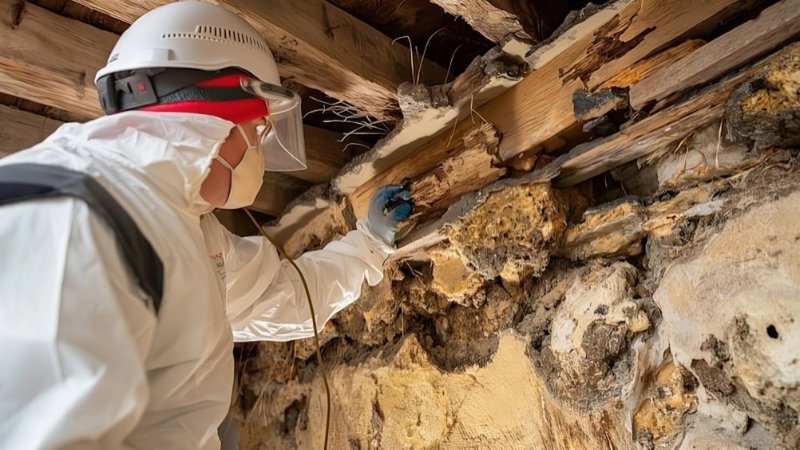
A termite inspection can feel stressful, especially if you have seen mud tubes, soft wood, discarded wings, or unexplained damage around your home. The good news is that an inspection is usually simple, calm, and practical. A trained inspector looks for signs of termite activity, checks the areas where termites like to hide, and explains what they find in plain terms.
The main goal is not to scare you. It is to answer three questions. Are termites present? Is there old or active damage? What should you do next? When you know what to expect during a termite inspection, you can prepare better, ask smarter questions, and avoid costly surprises later.
Why a Termite Inspection Matters
Termites can damage wood, flooring, trim, framing, and other cellulose-based materials. The problem is that they often work quietly. By the time a homeowner sees clear signs, the colony may have been active for months or even years.
A termite inspection helps catch problems early. It also helps separate real warning signs from normal wear, water damage, carpenter ants, or old repairs. This matters because each issue needs a different solution.
Many homeowners schedule an inspection before buying or selling a house. Others call after seeing suspicious signs. For example, someone may contact a local company such as Elite1 Termite Control, Inc. after noticing mud tubes near the foundation or hollow-sounding baseboards. In either case, the inspection gives you facts before you make decisions.
What Happens Before the Inspector Arrives
Before the appointment, you may be asked a few basic questions. These often include where you saw signs of termites, how long the issue has been visible, and whether the home has had past termite treatment. This helps the inspector focus on the most important areas first.
You should also prepare access to key spaces. Move boxes away from garage walls, basement walls, crawl space openings, attic access points, and utility areas. If the inspector cannot reach these areas, the report may be limited.
It also helps to gather any past pest control records, repair invoices, or home inspection reports. If the house was treated before, the inspector may want to know what method was used and when it happened.
Areas the Inspector Will Check
A termite inspection usually covers both the inside and outside of the home. The inspector looks for termites, termite damage, moisture problems, wood-to-soil contact, and entry points.
Outside, they may check:
- Foundation walls
- Crawl space vents
- Porch posts and steps
- Decks and fences close to the house
- Mulch beds and landscaping
- Siding near the soil
- Garage edges
- Window and door frames
Inside, they may inspect:
- Baseboards and trim
- Window sills
- Door frames
- Basement walls
- Crawl spaces
- Attics
- Plumbing areas
- Utility rooms
- Wooden flooring
They may use a flashlight, moisture meter, probing tool, or camera. The tools are simple, but they help spot hidden conditions that the eye can miss.
Signs the Inspector Looks For
Termites leave clues. Some are obvious. Others are easy to miss unless you know what to look for.
One common sign is mud tubes. These are thin tunnels termites build to travel between soil and wood while staying moist. You may see them along foundation walls, crawl spaces, basement corners, or garage walls.
Another sign is hollow or damaged wood. The surface may look normal, but the inside can be eaten away. An inspector may tap or gently probe wood to check for weakness.
Discarded wings can also point to termite swarmers. These often appear near windows, doors, light fixtures, or other bright areas. Swarmers are reproductive termites that leave the colony to start new ones.
Other signs include bubbling paint, tight-fitting doors, sagging floors, tiny holes in wood, and termite droppings. Some of these signs can also come from moisture or other pests, so the inspector will look at the full picture before drawing a conclusion.
How Long a Termite Inspection Takes
Most termite inspections take 30 minutes to two hours. The exact time depends on the size of the property, the number of accessible areas, and whether the inspector finds signs that need a closer look.
A small, easy-to-access home may take less time. A large home with a crawl space, attic, garage, deck, and heavy storage may take longer. If parts of the property are blocked, the inspector may note those limits in the report.
Do not rush the process. A careful inspection is like checking a roof after a storm. You want the person to look slowly enough to find the small problem before it becomes the expensive one.
What the Inspector May Ask You
A good inspector will ask practical questions. They may ask when you first noticed the issue, whether the signs changed over time, and whether you have seen flying insects inside. They may also ask about water leaks, drainage issues, wood repairs, or past renovations.
Your answers can help narrow down the cause. For example, soft wood near a bathroom may come from plumbing moisture rather than termites. Mud tubes near the foundation may point to active termite movement from the soil.
Be honest about what you know and what you do not know. You do not need to diagnose the problem. Your job is to share what you have seen.
What Happens If Termites Are Found
If the inspector finds active termites, they should explain where the activity is, how serious it appears, and what treatment options may fit the home. The plan may depend on the termite species, property layout, soil conditions, and damage level.
Common options may include soil treatment, bait systems, localized treatment, wood treatment, or a mix of methods. Each option has pros and cons.
Soil treatment can create a treated zone around the structure. It may be a strong option for certain infestations, but it can involve drilling or trenching in some cases.
Bait systems use stations placed around the home. They can be less invasive, but they may require ongoing monitoring.
Localized treatment may work when activity is limited to one area. It is usually more targeted, but it may not be enough if termites are widespread.
The inspector should not pressure you into a fast decision. They should help you understand the findings, the risks, and the next steps.
What Happens If No Termites Are Found
A clean inspection is good news, but it does not mean the home is risk-free forever. Termites can enter later if conditions become favorable. Moisture, wood touching soil, heavy mulch, and cracks near the foundation can all increase risk.
If no termites are found, ask what conditions could attract them. The inspector may point out prevention steps, such as fixing leaks, improving drainage, moving firewood away from the house, trimming shrubs, or reducing soil contact with wood.
Think of prevention like dental care. No cavity today does not mean you stop brushing. It means your habits are working, and you should keep them that way.
Common Mistakes Homeowners Make
One common mistake is ignoring small signs. A few wings or one mud tube may not look serious, but it can signal a larger hidden issue. Waiting too long can make treatment and repairs more expensive.
Another mistake is disturbing the evidence before the inspection. Do not scrape away mud tubes, spray random products, or tear out damaged wood before the inspector sees it. Photos help, but fresh evidence is better.
Some homeowners also assume all wood damage is from termites. Water damage, carpenter ants, powderpost beetles, and rot can look similar. Guessing can lead to the wrong fix.
Another costly mistake is blocking access. If the crawl space is packed with storage or the garage walls are hidden behind boxes, the inspector may not be able to give a complete opinion.
How to Prepare for a Termite Inspection
You do not need to deep clean your home. You only need to make important areas reachable.
Start by clearing space around walls in the basement, garage, and storage rooms. Make sure attic and crawl space doors can open. Unlock gates, sheds, or exterior access points if they need to be checked.
Keep pets secured. This helps the inspector move safely and keeps the visit calm. If you have seen insects, wings, tubes, or damaged wood, leave those areas untouched until the inspection is done.
You can also write down your questions before the appointment. Good questions include:
- Is the activity active or old?
- Where did you find evidence?
- What areas could not be inspected?
- What conditions increase my risk?
- What treatment options make sense?
- What should I fix first?
- Do I need repair work after treatment?
These questions help you leave with a clear plan, not just a report.
What Should Be in the Inspection Report
After the inspection, you should receive a summary of the findings. The report may include areas inspected, signs found, areas that were inaccessible, risk conditions, photos, and recommended next steps.
Read the report carefully. Pay close attention to words like active, previous, visible damage, conducive conditions, and limited access. These terms affect what you should do next.
If you are buying a home, the report can help with negotiations. You may ask for treatment, repairs, further evaluation, or credits depending on the contract and findings. If you already own the home, the report helps you decide whether to treat, repair, monitor, or prevent.
Questions to Ask Before You Approve Treatment
Do not approve termite treatment until you understand the plan. Ask what product or system will be used, where it will be applied, how long the process takes, and whether follow-up visits are included.
You should also ask about warranties, renewal terms, and what is covered. Some warranties cover retreatment only. Others may include damage repair, but that is less common and usually comes with strict conditions.
Ask whether moisture or structural repairs are needed first. Treating termites while leaving major moisture problems untouched is like mopping the floor while the sink is still overflowing.
Final Thoughts: Take the Inspection Seriously
A termite inspection is not just a box to check. It is a chance to protect your home before damage spreads. Even if the findings are minor, the inspection can reveal risk factors that are easy to fix now and costly to ignore later.
Prepare the home, ask clear questions, and read the report closely. If termites are present, act quickly but not blindly. If no termites are found, use the advice to reduce future risk.
The best next step is simple. Schedule the inspection, make key areas accessible, and keep a list of anything unusual you have noticed around the home. That gives the inspector a better starting point and gives you a clearer answer.

Lucas is a writer at Magazine Outstanders, with 3 years of experience covering business, technology, health, and lifestyle topics. He specializes in turning complex ideas into clear, well-researched, and engaging articles that keep readers informed and inspired. Driven by curiosity and a passion for storytelling, Lucas strives to deliver content that is accurate, valuable, and easy to connect with.