
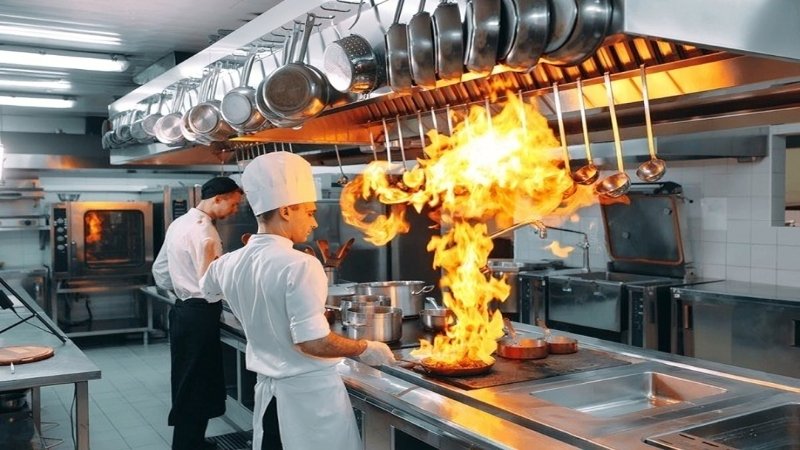
Commercial kitchens catch fire more often than almost any other space. Grease, heat, open flames, and electrical equipment create conditions where fire can start and spread fast.
Most kitchen fires do not start without warning. The signs are usually there, but they get overlooked during busy service hours. Businesses that work with Confires Fire Protection Services understand that consistent inspection and maintenance are the most effective tools against fire risk.
Ignoring these hazards does not just risk property damage. It puts staff, customers, and the entire operation at serious legal and financial risk.
Where Fire Risk Actually Hides
Most people assume open flames are the main danger in a kitchen. The real risks are often less visible and build up gradually over time.
Grease accumulation is the leading cause of commercial kitchen fires. It collects in exhaust hoods, ductwork, and filters faster than most operators realize. When grease reaches high enough temperatures, it ignites quickly and can spread through the entire ventilation system.
Faulty or overloaded electrical equipment is another major hidden risk. Commercial kitchens run multiple high-draw appliances at once, and aging wiring or overloaded circuits can spark fires behind walls or under equipment where no one notices.
Other commonly overlooked fire risks include:
- Blocked or poorly maintained exhaust fans.
- Fryers without functioning thermostats.
- Combustible materials stored too close to cooking surfaces.
- Suppression systems that have not been tested or serviced recently.
Suppression Systems: What Works and What Fails
A kitchen suppression system is only as reliable as its last inspection. Systems that have not been serviced on schedule may fail to activate when needed, or may cause additional damage when they do.
Wet Chemical vs. Dry Chemical Systems
Wet chemical systems are the current standard for commercial cooking environments. They react with hot grease to form a foam-like barrier that cuts off oxygen and cools the surface rapidly.
Dry chemical systems are older and less effective on grease fires. Many still exist in older kitchens, and operators should understand their limitations and consider upgrading.
Steps to Reduce Fire Risk in a Commercial Kitchen
- Schedule hood and duct cleaning based on cooking volume, not just the calendar.
- Inspect suppression system nozzles for blockages before each service period.
- Test thermostats on fryers regularly to prevent dangerous temperature spikes.
- Keep a clear zone of at least 18 inches between combustibles and cooking equipment.
- Document all inspections and keep records accessible for fire marshals and insurers.
Staying proactive with these steps reduces both the likelihood of a fire and liability exposure if one does occur.
Key Takeaways
- Grease buildup in hoods and ducts is the single most common hidden fire risk in commercial kitchens.
- Suppression systems must be inspected regularly to remain functional and code-compliant.
- Electrical overloads and aging wiring are serious risks that often go undetected.
- Wet chemical suppression systems are the current standard for kitchen fire protection.
- Fryer thermostats and exhaust fans are frequent failure points that need routine checks.
- Documented maintenance records protect businesses during fire marshal reviews and insurance claims.