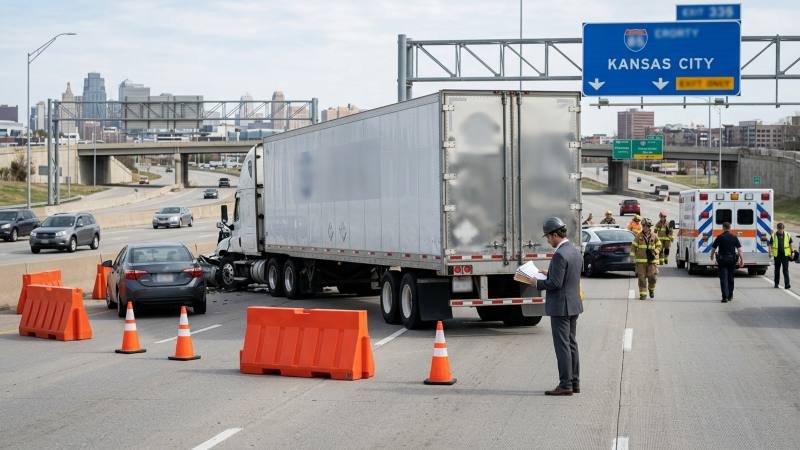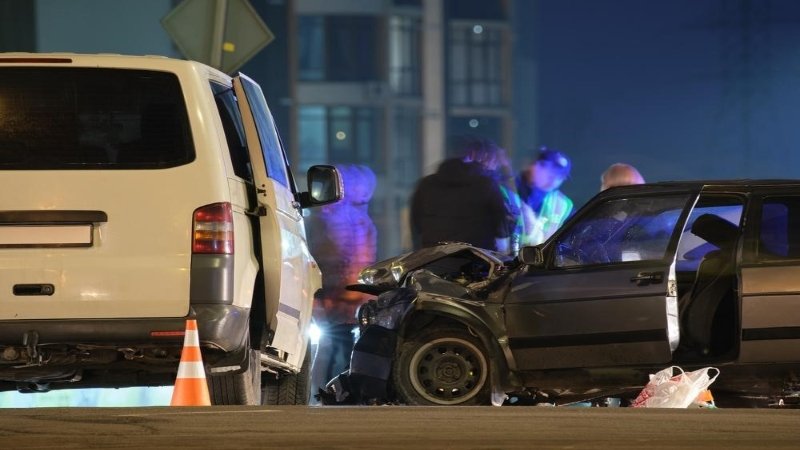
A police report often looks like a fixed version of events, as if everything is already locked in place. But car accident explanations rarely stay in that first form. People speak quickly, sometimes under pressure, and only share what their mind can hold at that exact moment. Later, the same story may sound different without any intention to change it. This is where legal support for vehicle accidents becomes important, because understanding how these explanations shift can prevent confusion.
This blog explains why honest accounts of the same accident can slowly change over time and why that shift is more natural than it seems.
First Explanation Comes From Limited Awareness
At the scene of a car accident, people do not have a full picture of what happened. They only describe what they noticed in that short moment. The focus is on immediate action, safety, and basic understanding of impact.
This means early explanations are not complete records. They are quick reactions shaped by surprise and limited attention. Many small details are simply not processed at that time. Because of this, the first version of events often reflects only a part of the situation, not the full sequence.
Memory Works in Pieces, Not Perfect Order
Human memory does not store events like a video recording. It stores fragments. People remember certain moments clearly, while other parts stay unclear or fade quickly.
Over time, the brain naturally tries to rebuild the missing gaps. This rebuilding can shift the order of events or change how certain actions are remembered. It is not about changing facts on purpose. It is about how memory works under pressure and time.
This is why explanations may sound slightly different later, even when the person is trying to stay accurate.
Stress Changes What People Notice
During an accident, stress takes control of attention. The mind focuses only on what feels most urgent, like impact or movement nearby. Everything else becomes secondary or gets ignored completely.
Once the situation settles, the brain starts noticing details that were missed earlier. This creates a gap between what was first said and what is remembered later. Both versions come from the same person, but from different mental states.
This difference is one of the main reasons explanations shift naturally without any intention to mislead.
New Information Adds Missing Pieces
After the car accident, new information often appears. This may include witness statements, camera footage, or a clearer understanding of vehicle positions. These details were not available at the time of the first explanation.
When people learn this new information, their understanding adjusts. They may refine what they said earlier or add details that were missing before. This does not mean the earlier explanation was false. It simply means it was incomplete.
At this stage, many people begin looking for legal support for vehicle accidents to help them understand how these updates affect their situation.
Different Viewpoints Naturally Create Differences
Every person involved in an accident sees it from a different position. One driver may see the front of the event, while another sees it from the side. A witness may only catch a short moment.
Because no one sees everything at once, each explanation reflects a different angle. These perspectives do not match perfectly, even if everyone is being honest. This is normal in any shared event where timing and position are different.
The result is multiple truthful accounts that do not fully align.
Time Changes the Way Events Are Recalled
As time passes, memories become less sharp in some areas and clearer in others. The brain fills missing parts based on logic and expectation. This can slightly change the order or focus of what happened.
Even small delays between the accident and explanation can create differences in recall. These changes are not intentional. They are part of how human memory adjusts over time.
This is why early and later explanations may not sound exactly the same.
Why This Matters in Understanding Claims
In accident cases, different versions of the same event are often compared. Without context, these differences can look confusing. But when the natural behaviour of memory and perception is understood, the changes make more sense.
Key points to understand:
- Initial reports are based on limited awareness, not full reconstruction.
- Memory naturally fills gaps over time, which can shift details.
- Stress reduces what people notice in the first moments.
- New evidence can update understanding without changing honesty.
- Different viewpoints always create variation in descriptions.
The variations do not always mean something is wrong. They often reflect how people process fast and stressful events. This understanding helps bring clarity when reviewing accident details.
Wrap Up!
Car accident explanations rarely stay unchanged because they are shaped by human perception, not fixed recording. Limited awareness, stress, memory gaps, and new information all influence how the story develops over time. This is why two honest explanations can still look different without any exaggeration or dishonesty.
In many cases, legal support for vehicle accidents helps make sense of these natural differences and brings structure to information that evolves as more details become clear.

Lucas is a writer at Magazine Outstanders, with 3 years of experience covering business, technology, health, and lifestyle topics. He specializes in turning complex ideas into clear, well-researched, and engaging articles that keep readers informed and inspired. Driven by curiosity and a passion for storytelling, Lucas strives to deliver content that is accurate, valuable, and easy to connect with.