Interior design rarely changes through dramatic revolutions. Instead, the most influential ideas arrive quietly, reshaping how spaces function without demanding attention. One of the most subtle shifts in recent years involves how storage integrates with modern interiors.
Rather than relying on heavy cabinets or bulky shelving units, designers are turning toward storage solutions that appear lighter, almost invisible. The goal is not to remove storage but to allow it to blend seamlessly with architecture.
This approach reflects a broader movement in contemporary design, in which visual calm, openness, and intentionality guide the evolution of living spaces.
Designing for Air and Openness
Modern interiors increasingly prioritize visual breathing room. Open floor plans, larger windows, and minimal partitions have already transformed how people experience their homes. Storage, however, has traditionally been an exception.
Large furniture pieces often interrupt the visual flow of a room. They break sightlines and introduce weight that can make spaces feel crowded, even when they are well organized.
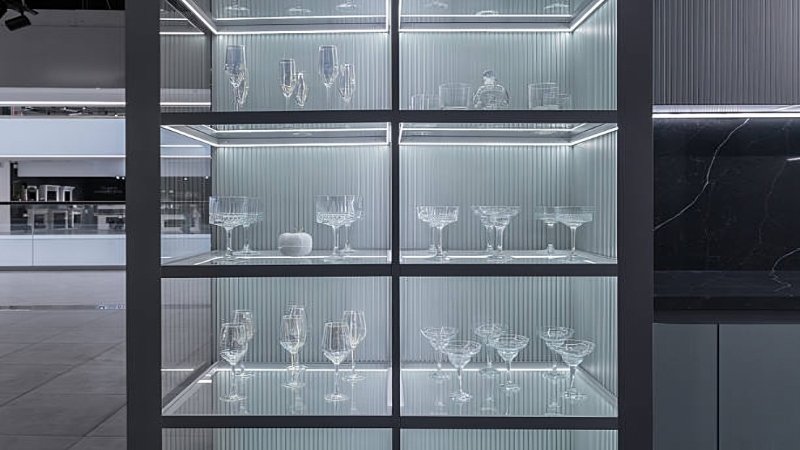
Transparent storage surfaces offer a different solution. By allowing light to pass through and maintaining uninterrupted views across a room, they preserve the sense of openness designers work hard to achieve.
Instead of acting as visual barriers, these elements function as quiet structural accents.
The Architecture of Floating Surfaces
Floating design has become one of the defining aesthetics of modern interiors. Wall- mounted fixtures, hidden brackets, and suspended furniture create the illusion that objects hover slightly above the surfaces they occupy.
This effect is more than stylistic. Floating elements help interiors feel lighter and more contemporary. They remove unnecessary bulk and highlight the room’s architecture.
Transparent shelving amplifies this effect. Because the material itself recedes into the background, the installation emphasizes horizontal lines and spatial balance rather than the object supporting them.
The result is storage that behaves almost like an architectural gesture.
Function Without Visual Weight
One of the most common misconceptions about minimalist design is that it sacrifices practicality. In reality, successful minimalism requires thoughtful functional solutions.
Transparent shelving addresses everyday needs while avoiding visual clutter. It provides space for books, decorative objects, and daily essentials while maintaining a streamlined appearance.
Midway through this evolution in modern storage design, glass shelves have emerged as a practical and durable solution that supports functionality without adding visual density to a room.
Their simplicity makes them adaptable across a range of environments, from kitchens and bathrooms to offices and living spaces.
A Canvas for Personal Expression
While transparent storage minimizes visual weight, it also changes how people display the items they value most. Because the surface itself draws little attention, objects placed on it become the focal point.
This encourages more thoughtful curation. Instead of filling shelves with many items, homeowners often choose fewer pieces with stronger meaning or aesthetic value.
A small collection of art books, a handmade ceramic bowl, or a framed photograph gains greater presence when placed on a nearly invisible platform.
The shelving disappears, allowing the story behind each object to take center stage.
Material Harmony in Contemporary Interiors
Modern interiors often feature a mix of materials, each contributing texture and character to the overall design. Wood introduces warmth, stone adds permanence, and metal creates contrast.
Transparent storage surfaces complement these materials rather than competing with them. They support the surrounding palette while preserving the visual hierarchy within a space.
For example, a textured stone wall remains the dominant feature when paired with transparent shelving. Natural wood grains continue to stand out. Even sculptural lighting fixtures gain more prominence because the storage system around them remains understated.
This harmony allows designers to maintain balance within complex material compositions.
Light as a Design Partner
Lighting plays a central role in shaping the interior atmosphere. Natural daylight moves through a home differently throughout the day, while artificial lighting transforms rooms after sunset.
Transparent surfaces interact with light in subtle yet meaningful ways. Reflections add depth without overwhelming the space. Sunlight passing through windows creates gentle highlights along smooth edges.
These small interactions enhance a room’s mood without adding decorative elements. Designers often rely on this effect when working with minimalist interiors that emphasize texture and shadow over ornament.
In this context, storage becomes part of the lighting experience.
The Rise of Intentional Living
Many contemporary homeowners are embracing a more intentional relationship with their living spaces. Instead of accumulating objects, they prioritize items that carry personal meaning or aesthetic value.
This mindset naturally aligns with lighter, more open storage solutions. Transparent shelving encourages organization and promotes mindful curation.
Each item placed on display becomes part of the room’s narrative. The arrangement reflects personal interests, memories, and tastes.
Rather than hiding possessions behind closed cabinets, this approach turns storage into a subtle form of storytelling.
Quiet Innovation in Everyday Spaces
The evolution of interior design often happens through small innovations that reshape everyday experiences. Transparent storage represents one of these understated transformations.
It blends practicality with visual restraint, allowing rooms to feel organized without appearing crowded. By preserving openness and supporting intentional design, it responds to how modern spaces are used today.
As urban homes become more compact and lifestyles more flexible, solutions that balance function with visual calm will continue to influence interior environments.
Sometimes the most effective design choices are the ones that quietly disappear into the background, leaving space for the life unfolding around them.

Lucas is a writer at Magazine Outstanders, with 3 years of experience covering business, technology, health, and lifestyle topics. He specializes in turning complex ideas into clear, well-researched, and engaging articles that keep readers informed and inspired. Driven by curiosity and a passion for storytelling, Lucas strives to deliver content that is accurate, valuable, and easy to connect with.