Hard water can wreak havoc on home plumbing systems and appliances, causing scale buildup and inefficiency. Approximately 85% of homes in the United States experience hard water, according to the U.S. Geological Survey. Tackling this issue at its source with a water softener installation can make all the difference in protecting your investment.
If you’re noticing unpleasant mineral deposits, soap scum, or your skin feels dry after bathing, it might be time to consider a water softener. In this article, you’ll discover useful tips on selecting, installing, and maintaining a water softener that caters to your specific needs and ensures the longevity of your appliances.
Assessing Your Home for Water Softener Installation
Before you dive into the world of water softeners, it’s important to evaluate your household’s water usage and hardness level. A simple test can reveal the grains per gallon (GPG) of minerals in your water, which is crucial for determining the size and type of water softener you’ll need.
When it comes to location, you’ll want to identify an area close to where the water supply enters your home, yet still easily accessible for maintenance and salt replacement. Consideration of nearby drainage and an electrical outlet is also key, as these are necessary components for the softener’s function.
Utilize a professional plumber or water treatment specialist to analyze your water and provide recommendations. This expert advice can save you from the costly mistake of purchasing a unit that’s not a good fit for your home’s water characteristics or daily consumption.
Choosing the Right Water Softener for Your Needs
Water softeners come in various sizes and technologies, from ion-exchange to salt-free models. Based on the hardness of your water and the size of your household, you’ll need a unit sized appropriately to handle the water demand.
Ion-exchange models are common and work by replacing hard minerals like calcium and magnesium with sodium or potassium ions. However, salt-free systems may be preferable for those on low-sodium diets or for ecological reasons. Consider the ongoing cost and maintenance when deciding between salt-based and salt-free systems.
Do your research and perhaps consider visiting a local supplier to get a hands-on feel for the different units. Ensure you purchase a system with a solid warranty, and compare customer service reviews to pick a reliable water softener that fits your lifestyle.
Step-by-Step Process of Installing a Water Softener

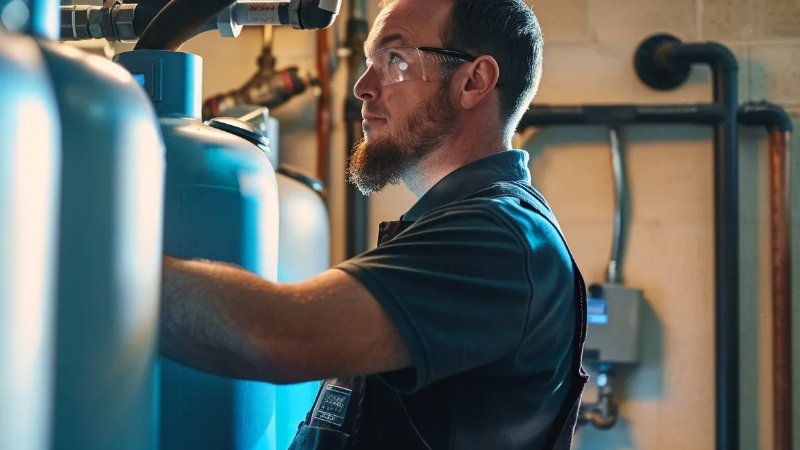
The installation process for a water softener can be complex and should generally be handled by a professional, especially if you’re not comfortable with plumbing. However, for the DIY-minded, a Water Softener Installation in Twin Falls, ID by Magic Electric, Plumbing, Heating & Air begins with turning off the main water supply and draining your pipes.
Install the bypass valve to control water flow through the softener, and connect it to your home’s water supply line. This typically involves some cutting and fitting of pipes. Next, set up the drainage and brine lines according to the manufacturer’s instructions, ensuring secure connections to prevent leaks.
Once everything is connected, carefully follow the startup cycle instructions to properly initiate the system. It’s recommended to thoroughly test your water after installation to confirm the softener is working effectively.
Maintaining Your Water Softener for Optimal Performance
Regular maintenance is the key to ensuring your water softener performs efficiently through the years. This typically involves checking salt levels monthly and replenishing the salt in the brine tank as needed.
It’s also important to clean the brine tank annually, or more frequently if you notice any salt bridging or mushing. Using high-quality salt pellets can significantly reduce residue and keep your system running smoothly. A cleaning regimen for the resin bed and regular system checks can extend the lifespan of your softener.
Don’t overlook the manufacturer’s guidelines for maintenance and troubleshooting. Familiarize yourself with the settings and any system alerts or indicators that could suggest it’s time for a service check or if components need to be replaced.
Ultimately, a water softener is a wise investment for those dealing with hard water issues. Proper assessment and selection, coupled with professional installation, can result in years of softened water, reducing mineral buildup and extending the life of your appliances. Regular maintenance will keep your system operating at peak efficiency, saving you money and hassle in the long run.
If you have any questions about this topic or would like to explore new ideas, feel free to contact us anytime. We’ll be happy to assist you and respond as soon as possible.

Lucas is a writer at Magazine Outstanders, with 3 years of experience covering business, technology, health, and lifestyle topics. He specializes in turning complex ideas into clear, well-researched, and engaging articles that keep readers informed and inspired. Driven by curiosity and a passion for storytelling, Lucas strives to deliver content that is accurate, valuable, and easy to connect with.