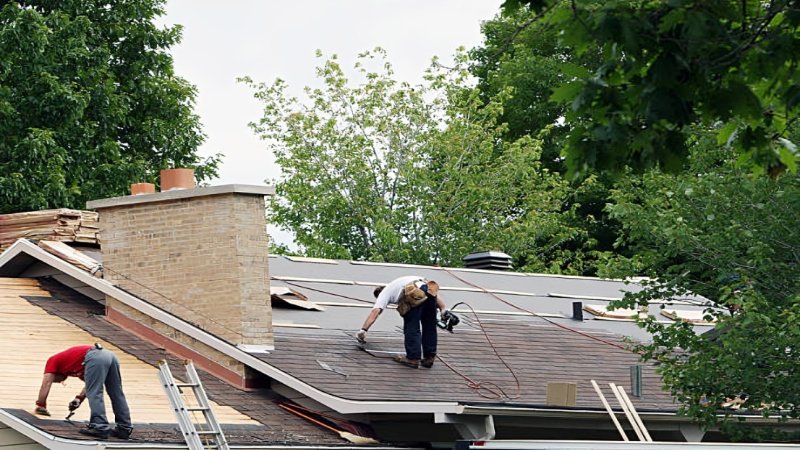
The roof is one of the most important parts of any building. It protects everything underneath it, including people, furniture, and the structure itself. In the past, roofs were mainly designed to keep rain out.
Today, modern roofs do much more than that. They help save energy, improve comfort, and protect homes from powerful storms. With stronger weather events, rising temperatures, and higher energy costs, roofing systems have evolved.
A modern roof must be strong, efficient, and built to last. Understanding the key elements of a high-efficiency and storm-safe roof helps homeowners and builders make better choices.
These features work together to create a roof that performs well in all conditions. Read on.
Durable and Modern Roofing Materials
The first step toward a strong and efficient roof is choosing the right materials. Modern roofing materials are designed to last longer and perform better than older options.
Architectural asphalt shingles are thicker and stronger than standard shingles. They offer better wind resistance and improved appearance. Metal roofing is another popular choice.
It is lightweight, fire-resistant, and highly durable. Many metal roofs can withstand very strong winds and heavy rain. Other modern options include:
- composite shingles
- clay tiles
- concrete tiles
These materials are designed to resist cracking, impact, and moisture. Some are made to look like wood or slate while offering better performance.
Choosing tested and certified materials is especially important in areas that experience storms or high winds. Check out the roofers in Chicago Illinois, to learn more.
Smart Roof Shape and Design
The shape of a roof affects how it handles weather. A well-designed roof allows rain and debris to slide off easily. Poor design can lead to water pooling, leaks, and storm damage.
Sloped roofs are better at shedding water than flat roofs. Steeper slopes help prevent standing water and reduce pressure during storms.
Hip roofs, which slope on all sides, are known for their ability to resist strong winds. They are often more stable than gable roofs.
Modern roof designs also reduce large overhangs and weak edges. These small design choices make a big difference when strong winds hit.
Strong and Reliable Underlayment
Underlayment is the layer installed between the roof deck and the outer roofing material. While it is not visible, it plays a major role in storm protection.
Modern synthetic underlayments are much stronger than traditional felt paper. They resist tearing, repel water, and stay in place even during high winds. If shingles or tiles are damaged, the underlayment provides an extra layer of protection.
Self-adhesive waterproof membranes are often used in vulnerable areas like valleys, edges, and around roof openings. These membranes seal tightly to the roof deck and help prevent leaks caused by wind-driven rain or ice buildup.
High-Quality Roof Insulation
Insulation is key to energy efficiency. Without proper insulation, heat escapes in cold weather and enters during hot weather. This makes indoor spaces uncomfortable and increases energy bills.
Modern roofs use advanced insulation materials such as spray foam, rigid foam boards, or high-performance fiberglass. These materials have high insulation values and reduce air leakage.
When insulation is installed correctly, it helps keep indoor temperatures stable. This reduces the need for heating and cooling, saving money while improving comfort year-round.
Proper Roof Ventilation
Ventilation works together with insulation to improve roof performance. Without ventilation, heat and moisture can become trapped inside the roof structure.
Modern roofs use a balanced ventilation system. Cool air enters through intake vents near the eaves, while warm air exits through exhaust vents near the ridge. This airflow helps regulate temperature and moisture levels.
Good ventilation prevents mold growth, wood rot, and premature roof aging. It also reduces heat buildup in summer, making homes cooler and more energy efficient.
Cool Roofing and Reflective Surfaces
Cool roofing is designed to reflect sunlight instead of absorbing heat. This feature is especially helpful in warm and sunny climates.
Reflective shingles, metal roofs, and special roof coatings reduce surface temperatures. This lowers indoor heat and decreases the need for air conditioning.
Cool roofs also help protect roofing materials from heat damage. Over time, this can extend the lifespan of the roof while reducing energy costs.
Storm-Resistant Fasteners and Installation
Even the strongest materials can fail if they are not installed properly. Fasteners play a major role in storm safety.
Modern roofing systems use ring-shank nails, corrosion-resistant screws, and improved nailing patterns. These fasteners grip better and hold roofing materials securely in place.
In storm-prone areas, roofing systems are tested as complete assemblies. This means the deck, underlayment, fasteners, and roof covering are designed to work together to resist high winds and heavy rain.
Reinforced Roof Decking
The roof deck is the base that supports the entire roofing system. A weak deck increases the risk of major damage during storms.
Modern storm-safe roofs often use thicker plywood or high-quality oriented strand board. These materials are securely fastened to rafters or trusses to improve strength.
Some systems also use special adhesives that bond the deck to the roof covering. This extra reinforcement helps prevent roof sections from lifting or tearing away during severe weather.
Effective Water Drainage Systems
Water management is one of the most important functions of a roof. If water is not directed away properly, it can cause leaks, rot, and structural damage.
Modern roofs include well-designed gutters and downspouts that handle heavy rainfall. Seamless gutters reduce the chance of leaks, while larger downspouts prevent overflow during storms.
Flashing is also critical. Proper flashing around chimneys, skylights, vents, and roof valleys seals gaps where water could enter. These small details protect the roof from long-term damage.
Solar-Ready and Smart Roofing Features
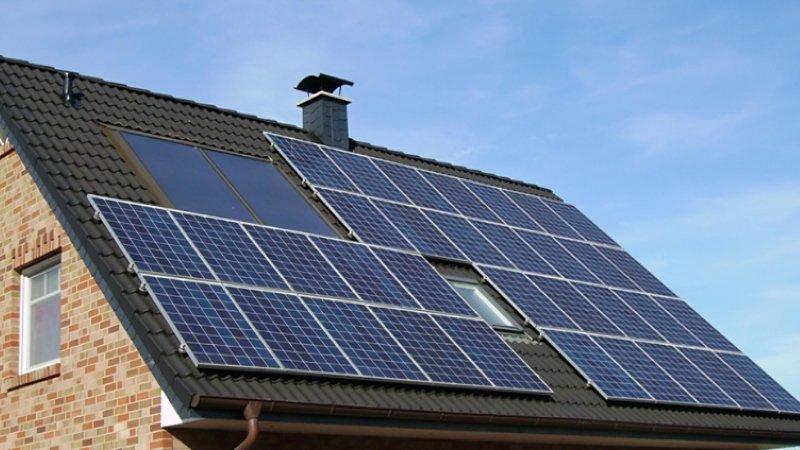
Many modern roofs are designed to support solar panels or solar shingles. When installed correctly, these systems do not weaken the roof and can even improve energy efficiency.
Smart roofing technology is also becoming more common. Sensors can detect moisture, temperature changes, or movement within the roof system.
Early detection allows homeowners to fix problems before they become serious. These features add value to a property while supporting energy savings and long-term performance.
Get the Best Roof for Your Home
A modern roof is more than a protective layer. It is a carefully designed system that improves efficiency, safety, and durability.
Every element-from materials and insulation to ventilation and drainage-plays an important role. By investing in modern roofing features, homeowners gain better protection from storms, lower energy bills, and greater comfort.
If you want to read more articles, visit our blog.

Lucas is a writer at Magazine Outstanders, with 3 years of experience covering business, technology, health, and lifestyle topics. He specializes in turning complex ideas into clear, well-researched, and engaging articles that keep readers informed and inspired. Driven by curiosity and a passion for storytelling, Lucas strives to deliver content that is accurate, valuable, and easy to connect with.