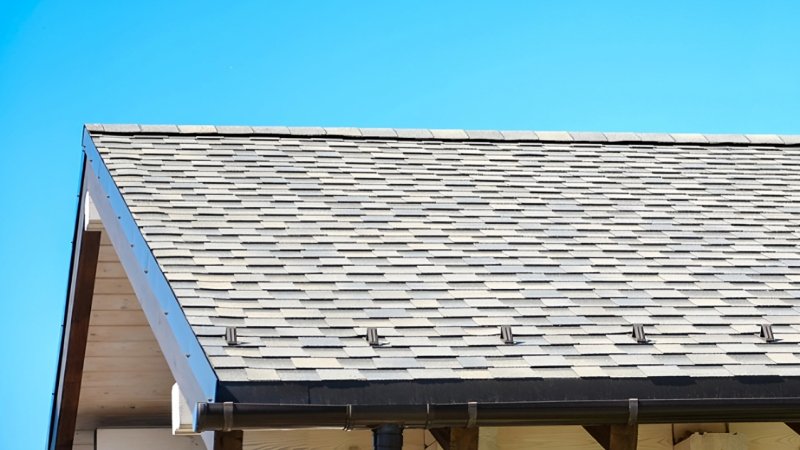
For many homeowners, the roof is an “out of sight, out of mind” part of the house. Unlike kitchens or living rooms, it is not something people see or interact with daily.
As long as it does not leak, many assume everything is fine. Unfortunately, this mindset is one of the main reasons homeowners face sudden and expensive repairs that could have been avoided.
Regular roof care is not just about maintaining appearances. It is one of the most effective ways to protect a home, finances, and peace of mind.
This article explains why regular roof care matters, explores the hidden costs of neglect, and shows how proactive maintenance can save homeowners from financial stress and major structural damage. Read on.
Understanding the Roof’s Role in Your Home
A roof is more than just shingles and flashing. It is a complex system designed to protect a home from the elements while supporting insulation, ventilation, and structural stability.
A properly functioning roof keeps water out of the home, helps regulate indoor temperature, prevents mold and rot, protects walls, ceilings, and foundations, and preserves the overall value of the property. When any part of this system fails, the effects extend far beyond the roof itself. Water intrusion, for example, does not remain confined to the attic and can damage insulation, drywall, electrical systems, and even the foundation.
Regular roof care ensures that small issues are identified early, before they compromise the entire roofing system.
The Real Cost of Ignoring Roof Maintenance
Many homeowners delay roof care because they believe maintenance costs are unnecessary or can wait. Ironically, avoiding small maintenance expenses often leads to much larger financial burdens later.
Emergency Repairs Are Always More Expensive
A minor roof issue, such as a loose shingle or a small flashing gap, can usually be repaired at a relatively low cost if it is discovered early. When ignored, the same issue can result in interior leaks, water-damaged ceilings and walls, mold growth, and structural wood rot.
Emergency repairs are typically more expensive because they often involve urgent labor rates, extensive damage, and additional repairs beyond the roof itself. Regular inspections significantly reduce the likelihood of these costly, last-minute emergencies.
Water Damage Extends Far Beyond the Roof
Water is one of the most destructive forces in a home. A small roof leak can go unnoticed for months, slowly causing damage behind walls and above ceilings.
Hidden water damage often leads to rotted roof decking, compromised insulation, electrical hazards, mold infestations, and weakened framing. By the time visible signs appear, such as ceiling stains or sagging areas, repair costs are usually extensive. Regular roof care helps detect moisture issues early, when repairs are still manageable and affordable.
Mold and Health-Related Expenses
Moisture caused by roof leaks creates an ideal environment for mold growth. Mold not only damages property but can also pose serious health risks, especially for children, seniors, and individuals with respiratory conditions.
Mold remediation can be costly and may require professional removal, replacement of drywall and insulation, and even temporary relocation in severe cases. Routine roof maintenance minimizes moisture buildup and significantly reduces the risk of mold-related expenses.
How Regular Roof Care Saves Money Over Time
Proactive roof care should be viewed as an investment rather than an expense. When performed consistently, it delivers long-term financial benefits.
Extending the Lifespan of Your Roof
Most roofing materials are designed to last between twenty and fifty years, depending on the type. However, this lifespan assumes the roof receives proper maintenance.
Without regular care, roofs often fail years or even decades earlier than expected. Routine maintenance helps prevent premature aging, protects shingles from weather damage, preserves sealants and flashing, and reduces ongoing stress on roofing materials. Extending a roof’s lifespan by even five years can save homeowners thousands of dollars in early replacement costs.
Preventing Small Issues From Becoming Major Repairs
Roof problems rarely occur suddenly. They usually begin as small issues, such as hairline cracks in flashing, slightly lifted shingles, or minor sealant deterioration.
Routine inspections allow these problems to be corrected quickly and affordably. Ignoring them allows damage to spread, increasing both the complexity and cost of repairs. In many cases, a simple repair costing a few hundred dollars can prevent a renovation costing several thousand dollars later.
Protecting Your Home’s Interior and Belongings
Roof leaks do not only damage the structure of a home. They can also destroy furniture, flooring, electronics, personal belongings, and valuable documents.
Insurance may not fully cover these losses, particularly if the damage is linked to poor maintenance. Regular roof care protects both the physical structure of the home and everything inside it.
Key Components of Regular Roof Care
Understanding what regular roof care involves helps homeowners take the right preventive steps.
Routine Roof Inspections
Professional roof inspections should be performed at least once a year, after severe storms, and before buying or selling a home. These inspections identify missing or damaged shingles, flashing issues, signs of water infiltration, and structural weaknesses. Early detection is the foundation of preventing costly repairs.
Cleaning and Debris Removal
Leaves, branches, dirt, and moss can trap moisture on the roof’s surface. Over time, this accelerates material deterioration and increases the risk of leaks.
Regular cleaning prevents water pooling, reduces moss and algae growth, maintains proper drainage, and improves overall roof performance. Clean roofs last longer and function more efficiently.
Gutter and Drainage Maintenance
Clogged gutters can cause water to back up onto the roof, which may lead to leaks and damage to fascia boards.
Proper gutter maintenance ensures that water flows away from the roof, prevents overflow near roof edges, and reduces the risk of rot and water intrusion. Gutters are a critical extension of the roofing system and should never be overlooked.
Flashing and Sealant Checks
Flashing protects vulnerable roof areas such as chimneys, skylights, roof valleys, and vent pipes. These areas are among the most common sources of roof leaks.
Regular inspection and resealing of flashing prevents water intrusion at these critical junctions and helps maintain the integrity of the roof system.
Weather, Climate, and Roof Damage
Different climates create different roofing challenges, but all environments require regular care.
Heavy rainfall accelerates leak development, strong winds loosen shingles and flashing, intense heat causes materials to expand and crack, and high humidity promotes mold and rot. Even in mild climates, gradual weather exposure wears down roofing materials. Regular roof care helps adapt the roof to local conditions and minimizes climate-related repair expenses.
Insurance, Warranties, and Roof Maintenance
Many homeowners assume insurance will cover roof damage regardless of the cause. In reality, insurers often deny claims that are linked to neglect.
Regular maintenance helps support insurance claims with proper documentation, ensures compliance with warranty requirements, and demonstrates responsible homeownership. Neglecting roof care may void warranties or result in denied claims, leaving homeowners responsible for the full cost of repairs.
Roof Care and Home Value
A well-maintained roof adds significant value to a home. Buyers and appraisers often view roof condition as a major indicator of overall property health.
A properly cared-for roof can lead to a higher resale value, faster home sales, fewer buyer objections, and reduced negotiation costs. In contrast, a poorly maintained roof can lower offers, delay a sale, or require costly concessions during negotiations.
DIY vs. Professional Roof Care
Homeowners can handle some roof maintenance tasks, while others should be left to professionals. Homeowners can perform visual inspections from the ground, clean gutters with proper safety precautions, and remove visible debris. However, professional roof care is recommended for full inspections, repairs, and sealing, structural assessments, and any work that involves safety risks.
Professional care ensures that issues are accurately identified and properly resolved. Check out the Columbus OH roofing company to learn more.
The Psychological Cost of Roof Neglect
Unexpected home expenses do more than strain finances; they also create stress and anxiety. Emergency roof repairs disrupt daily routines, require urgent decision-making, and often occur at the worst possible time.
Regular roof care provides predictable maintenance costs, reduces emergencies, and offers greater peace of mind. Knowing that a roof is well-maintained allows homeowners to feel confident during storms and severe weather.
Building a Roof Maintenance Routine
A simple and consistent maintenance routine can prevent most unexpected roof expenses. Homeowners should schedule annual professional inspections, clean gutters and roof surfaces regularly, address minor repairs immediately, keep records of maintenance and repairs, and inspect the roof after major storms. Consistency is more important than intensity when it comes to roof care.
Cost Comparison: Preventive Maintenance vs. Full Roof Replacement
Regular roof maintenance is far more cost-effective than waiting for major repairs or a full roof replacement. A typical roof inspection and minor repairs might cost between $150 and $500 per year, depending on the size and type of roof. In contrast, a complete roof replacement can easily range from $5,000 to $20,000 or more for an average home, not including potential interior damage caused by neglect.
By investing a small amount annually in inspections, cleaning, and minor repairs, homeowners can prevent small issues from escalating into major problems. Over a 10- to 20-year period, preventive maintenance can save thousands of dollars, while also avoiding the inconvenience, stress, and disruption of emergency repairs. In essence, every dollar spent on routine roof care is a strategic investment that protects both the home and the homeowner’s finances.
Seasonal Roof Maintenance: Adapting to Weather Changes
Different seasons present unique challenges for your roof, and adjusting maintenance routines accordingly can prevent costly problems. In the spring, it is important to remove debris left by winter storms, inspect for ice dam damage, and check gutters for proper drainage. Summer is the ideal time to examine shingles for heat-related cracks, inspect flashings for loosening due to expansion, and clear moss or algae growth that thrives in warm conditions.
During fall, homeowners should ensure leaves and branches are cleared from the roof and gutters, and inspect for early signs of water infiltration before winter. In winter, snow and ice accumulation should be monitored carefully, and ice dams must be addressed promptly to prevent leaks. Seasonal roof care ensures that the roof is prepared for weather changes, minimizing the risk of damage and unexpected repair costs.
Signs Your Roof Needs Immediate Attention
Even if you take care of your roof regularly, some problems need immediate attention. One of the first signs is water stains on your ceilings or walls. These stains usually mean water is getting through your roof. If ignored, this can damage insulation, drywall, and even the wood structure of your home.
Missing, cracked, or curled shingles are another warning sign. Shingles protect your roof from rain, wind, and sun. When they are damaged, water can get in and cause bigger problems. Sagging or uneven rooflines are also serious. They can mean that the wood under your roof is weakening, often from long-term water damage or heavy snow.
Leaks around chimneys, skylights, vents, or roof valleys are common. These areas are more vulnerable because the flashing or sealant can wear down over time. Fixing these leaks early can stop water from spreading into your attic or walls.
If you notice shingle granules in your gutters, do not ignore them. Granules protect your roof from sun damage and water. Losing too many can mean your shingles are aging or wearing out.
Mold or mildew on the roof or inside your attic is a serious concern. Mold grows where there is moisture, often from leaks or poor ventilation. Besides damaging your home, it can also affect your health. Fixing leaks and improving ventilation can stop mold from spreading.
Other warning signs include unusual drafts in your home or higher energy bills. These may mean your roof has gaps or damage that let air escape. Water dripping during rain, peeling paint on walls, or soft spots in ceilings and floors are also red flags.
Prevention Is Always Cheaper Than Repair
Taking care of your roof regularly is one of the smartest ways to save money as a homeowner. It might be tempting to skip inspections or maintenance, but ignoring your roof usually ends up costing much more.
By keeping up with routine roof care, you can avoid sudden repair bills, protect your home’s structure, make your roof last longer, keep your property value high, and reduce stress. Your roof works every day to keep your home safe, and giving it regular attention helps prevent expensive surprises.
If you want to read more articles, visit our blog.

Lucas is a writer at Magazine Outstanders, with 3 years of experience covering business, technology, health, and lifestyle topics. He specializes in turning complex ideas into clear, well-researched, and engaging articles that keep readers informed and inspired. Driven by curiosity and a passion for storytelling, Lucas strives to deliver content that is accurate, valuable, and easy to connect with.