DTF (Direct to Film) technology has made it possible for printing on fabric to be more versatile and affordable. The quality of the image can be excellent, and the colors are bright on different surfaces. Achieving such stellar results is impossible without the proper gear, supplies, selection, execution, and timing. Once you know the required tools, anyone can apply DTF transfer film in no time.
DTF Printer – Heart of DTF Process
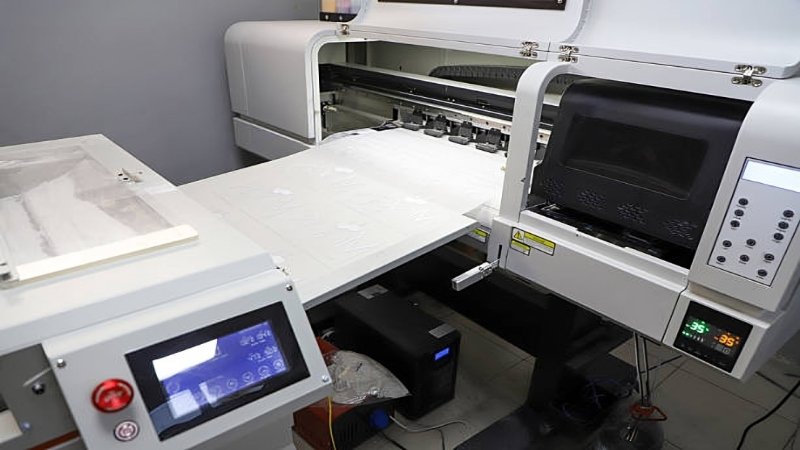
A dedicated printer is the core of DTF. You can’t use the inks or the film with standard inkjet printers. Instead, it makes use of a specialized printer that applies the colors accurately and works seamlessly. These are specifically designed for use with DTF inks and transfer film. The right machine prevents clogging and ensures that you get excellent prints promptly. Choosing guides on how to use DTF transfer film ensures accurate application and long-lasting prints across different fabrics.
DTF Inks: Delivering Vivid Results
Bright and durable transfers require excellent inks. Unlike standard inks, DTF inks have a good bond with the transfer film and fabric. Pigment inks deliver permanent colors and do not fade when washed. The right choice of compatible inks avoids smearing or the ink not adhering to the fabric properly.
The film on which we create our designs
DTF transfer film is the medium used to print out images/designs before transfer. It is a film that has been treated to accept ink and adhesive powder. Quality film enables sharp images and a clean separation from the backing. The results are always better if the appropriate film size and type are chosen according to the given project.
Adhesive Powder: Securing the Image
Once the ink is printed on the film, adhesive powder is sprinkled on the wet ink. Its powder is melted during heat pressing to attach the design to the clothes. Applying the powder uniformly helps it stick entirely and prevents it from peeling. The right powder also makes for a flexible and comfy finished product.
Curing oven or other heat source: Getting the design ready
After the adhesive powder is applied, a curing oven or heat press cures the powder onto the ink. The film cures the adhesive without heating up the film. For adhesion to be strong, temperature and time must be consistent. Many users like a heat press; some even use special ovens for more control.
Completing the Transfer using Heat Press
Using a good heat press, the design will be transferred from the film to the fabric. The heat press then applies heat and pressure, activating the adhesive and bonding the image to the material. Flexible settings are available based on the type and thickness of fabric. Accurate temperature control with a heat press will provide sharp, lasting prints.
Preparing and Managing Designs
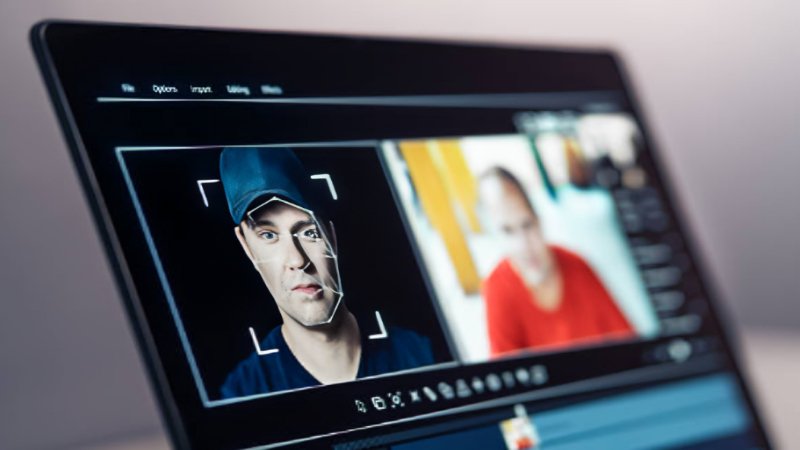
Digital art requires preparation with a graphic design computer program before printing. You can also edit, resize, and get color, all with these programs. Specific printing software manages ink flow and alignment. This is a two-fold approach wherein proper file preparation reduces errors and ensures that your designs print as expected.
Maintain Equipment in Top Place
Cleaning up prevents the tools of DTF from damage and helps them last longer. Solutions for cleaning, lint-free cloths, and brushes will remove the excess ink and powder. Frequent maintenance keeps the clogs at bay and ensures steady print quality. A clean atmosphere also helps to prevent film and garment contamination by accident.
Protective Gear: Ensuring Safety
Both powders and inks, if handled improperly, come with health risks. Disposable gloves and masks help shield us from contact with any potential or actual exposure on our skin and in our lungs. Additionally, it can be more dangerous during the curing and pressing stages, so wearing eye protection is a beneficial idea. Safe working practices promote work confidence and prevent accidents.
Conclusion
To use DTF transfer film properly, it is necessary to have the appropriate tools and to follow the recommended procedures. The printer, the heat press, and every piece of equipment contribute to the result. When chosen carefully and maintained properly, they produce reliable, professional-looking results consistently. Using DTF technology, combined with good quality and attention to detail, anyone can produce bright, full-color, long-lasting prints on fabric.

Lucas is a writer at Magazine Outstanders, with 3 years of experience covering business, technology, health, and lifestyle topics. He specializes in turning complex ideas into clear, well-researched, and engaging articles that keep readers informed and inspired. Driven by curiosity and a passion for storytelling, Lucas strives to deliver content that is accurate, valuable, and easy to connect with.