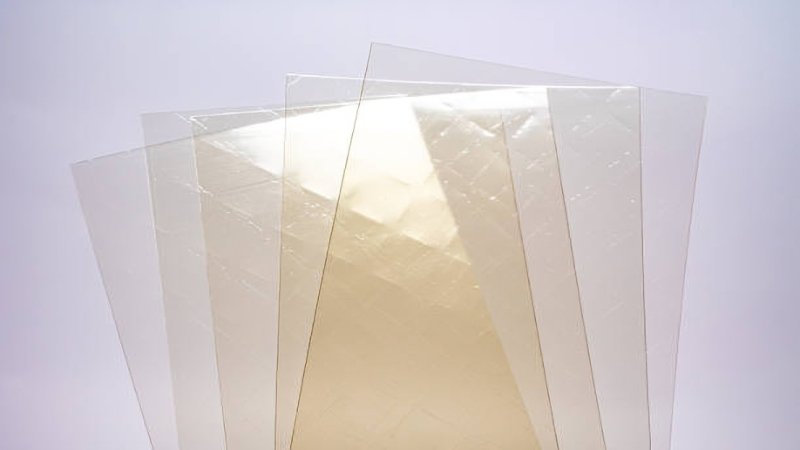
Polyethylene Terephthalate Glycol, commonly known as PETG, is rapidly becoming a frontrunner in the materials used for modern retail and Point-of-Sale (POS) displays across the industry.
Once overshadowed by traditional materials like glass and other plastics like PVC and acrylic, PETG’s unique balance of desirable properties makes it an ideal choice for the demanding, high-traffic environment of retail settings, where durability, clarity, and safety are paramount.
The growing popularity of PETG is rooted in its ability to offer a compelling mix of superior functionality and cost-effectiveness that few other materials can match. Keep reading to see why PETG continues to gain attention across retail spaces.
Growing Demand for Practical Display Solutions
Retail settings change often, and designers want materials that adapt without fuss. PETG suits this because it bends cleanly and keeps its smooth surface even after shaping.
When fabricators use a clear Polyethylene Terephthalate Glycol sheet, they benefit from a material that offers transparency close to acrylic but with better impact resistance. This material helps stores that need displays that stay intact even with heavy footfall.
Its lightweight also reduces handling issues during installation, which supports quick updates to shelves, stands, or product covers. Shops appreciate materials that lower maintenance time because retail teams already balance busy schedules.
Strong Performance for High-Traffic Areas
Polyethylene Terephthalate Glycol (PETG) handles knocks that would damage more brittle plastics. This quality gives it a clear advantage in spaces that experience frequent customer interaction. Retailers often move stock, adjust displays, or clean units daily, and PETG stands up to this routine without losing its appearance.
Its resistance to cracking also improves safety because broken panels can interrupt trading and require urgent replacement. PETG’s toughness helps avoid these setbacks, and stores can focus on presenting products rather than fixing damaged displays.
Superior Clarity for Maximum Product Visibility
Clear presentation matters because customers react to what they can see. PETG keeps its brightness and transparency, so products sit behind a clean protective layer. This helps when showing electronics, health items, cosmetics, or promotional pieces that rely on strong visual appeal.
Stores value materials that don’t cloud quickly because it saves time on refurbishment. PETG’s surface stays bright with routine cleaning, and this supports a neat retail environment. Its clarity also helps maintain consistent lighting effects since it transmits light well without distorting colour.
Easy Forming for Creative Display Designs
Fabricators appreciate how PETG responds to heat. It shapes smoothly and holds curves or angles without stress marks. This allows designers to create covers, trays, product dividers, and bespoke stands that fit tight spaces or unique visual themes.
The material also accepts machining with clean edges, and this supports the customisation methods offered by suppliers, such as cutting, polishing, and drilling. These features help stores create tailored displays at scale.
Cost-Effective for Regular Display Updates
Retail layouts change with seasons and promotions, so stores want materials that balance performance with value. PETG provides this because it shapes easily, installs quickly, and holds its clarity for long periods. These traits keep production costs predictable and help teams refresh displays without overspending.
Its toughness reduces the need for emergency replacements, which keeps budgets stable. Many retailers choose PETG because it supports both short-term campaigns and long-term fixtures.
Closing Message
PETG’s rise in the retail sector reflects its proven performance and versatility. Its strength, transparency, and recyclability give designers and shop teams confidence when planning display upgrades. By supporting creative layouts and long-lasting fixtures, PETG helps retailers present products clearly and maintain high visual standards.

Lucas is a writer at Magazine Outstanders, with 3 years of experience covering business, technology, health, and lifestyle topics. He specializes in turning complex ideas into clear, well-researched, and engaging articles that keep readers informed and inspired. Driven by curiosity and a passion for storytelling, Lucas strives to deliver content that is accurate, valuable, and easy to connect with.