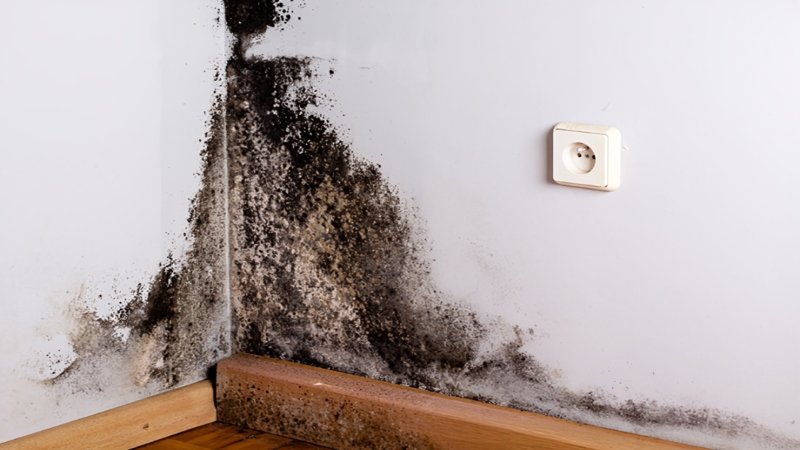
Mold is more than just an unsightly nuisance. It poses serious health risks that often go unnoticed in homes across the country. Many people assume that if mold is not visible, it is not a threat.
In reality, mold spores can exist in hidden areas, creating risks for anyone exposed. Understanding these dangers is essential for protecting your family’s health and safety. Dive in to discover how this can benefit you.
What Mold Is and Where It Hides
Mold is a type of fungus that thrives in damp, humid environments. It reproduces by releasing spores into the air, which can be inhaled and lead to health problems. Mold grows on surfaces like wood, drywall, carpet, and even insulation, making it difficult to detect.
Common household sources of mold include the following:
- leaking pipes
- roofs with water damage
- high humidity levels
- condensation on windows
- wet basements
- indoor plants that retain moisture
The most common molds found in homes are Aspergillus, Cladosporium, and Stachybotrys, often called black mold.
Immediate Health Risks of Mold Exposure
Mold exposure can cause a variety of health problems, especially for those with existing respiratory issues, allergies, or weakened immune systems. Common symptoms include:
- coughing
- wheezing
- nasal congestion
- runny nose
- throat irritation
- eye redness
- skin irritation and rashes
- breathing difficulties
Mold exposure is a significant trigger for asthma and other respiratory conditions in sensitive individuals. These immediate effects are often the first sign that mold is present in the home. This highlights the importance of timely mold remediation to protect health.
Long-Term Health Effects of Mold
While the short-term symptoms of mold exposure can be uncomfortable, prolonged exposure carries more serious consequences. Chronic exposure to mold spores may contribute to long-term respiratory issues, neurological problems, and even organ damage in severe cases. Long-term effects may include chronic sinusitis, frequent upper respiratory infections, and worsening or development of asthma.
Hypersensitivity pneumonitis, an inflammatory lung condition, can also develop in response to mold exposure. In addition, it may contribute to neurological symptoms, including memory loss, confusion, and fatigue.
It may even play a role in triggering autoimmune diseases affecting multiple organ systems. Children, in particular, are vulnerable, and studies show that growing up in damp, mold-prone housing increases the risk of respiratory problems later in life.
How to Identify Mold in Your Home
Detecting mold is not always easy, especially since it can grow in hidden areas such as behind walls, under carpets, or inside HVAC systems. However, there are signs to watch for. Visible discoloration, such as black, green, or white patches, often indicates mold growth.
Materials like wood or drywall may appear warped or stained. Musty odors are another clue, as mold produces a distinct smell even when unseen.
Areas prone to moisture, including bathrooms, kitchens, basements, and crawl spaces, are common places for mold to develop. If mold is suspected but not visible, testing kits or professional inspections can help identify hidden growth and confirm the extent of the problem.
Preventing Mold Growth in Your Home
Prevention is key to avoiding the health risks associated with mold. Controlling moisture levels in your home is one of the most effective strategies. Keeping indoor humidity between 30-50% helps discourage mold growth.
Proper ventilation in bathrooms, kitchens, and laundry rooms reduces moisture buildup. Leaks in pipes, roofs, or windows should be repaired promptly to prevent water from seeping into walls and floors. In areas prone to moisture, mold-resistant materials can be used during construction or renovation.
Regularly cleaning and drying items such as towels, shower curtains, and rugs further reduces the chance of mold establishing itself. By addressing moisture proactively, homeowners can prevent mold growth before it becomes a serious issue.
When to Call a Professional
Some mold problems are too extensive to handle with DIY cleaning. Mold infestations covering areas larger than ten square feet typically require professional attention. If you or your family members experience severe symptoms such as persistent coughing, wheezing, or skin reactions, professional evaluation is advised.
Mold growth on HVAC systems, ducts, or behind walls may also necessitate expert intervention. Professionals not only remove the mold but also address the underlying moisture problem, preventing future growth. Engaging a qualified remediation service ensures that mold is eliminated safely and thoroughly.
Understanding the Mold Remediation Process
Professional mold remediation is a step-by-step process designed to remove mold and prevent it from returning. It begins with a detailed assessment of the affected area to determine the type and extent of the mold problem. Technicians also identify moisture sources that need to be addressed.
Containment follows, where the affected area is sealed to prevent spores from spreading during removal. Afterward, mold is carefully removed using specialized techniques and equipment. The area is then cleaned and disinfected to eliminate remaining spores.
Finally, recommendations for preventing future mold growth are provided, including improved ventilation, moisture control, and maintenance tips. Following this systematic approach ensures that mold is removed safely and that your home remains healthy.
Maintaining a Mold-Free Home
After remediation, it is important to maintain a mold-free environment. Regular monitoring of humidity levels and prompt attention to leaks or water damage can prevent mold from returning. Routine cleaning and maintenance in moisture-prone areas, such as bathrooms and basements, further reduces the risk.
Using dehumidifiers and air conditioning during humid seasons helps control indoor humidity. Periodic inspections, particularly in hidden areas such as behind appliances or under sinks, help homeowners catch potential problems early. Staying proactive is the best way to protect your family from the harmful effects of mold over time.
Keep Your Home Safe and Healthy
Mold is often underestimated in terms of its health risks, yet the consequences can be significant. From short-term respiratory issues to long-term chronic conditions, the impact of mold exposure can be serious and far-reaching.
By controlling moisture and ensuring proper ventilation, homeowners can reduce the risks of mold. Prioritizing a mold-free home protects both your family’s health and your investment, creating a safe, comfortable, and healthy space for years to come.
Don’t miss out! Explore the rest of our blog for fresh ideas and tips.