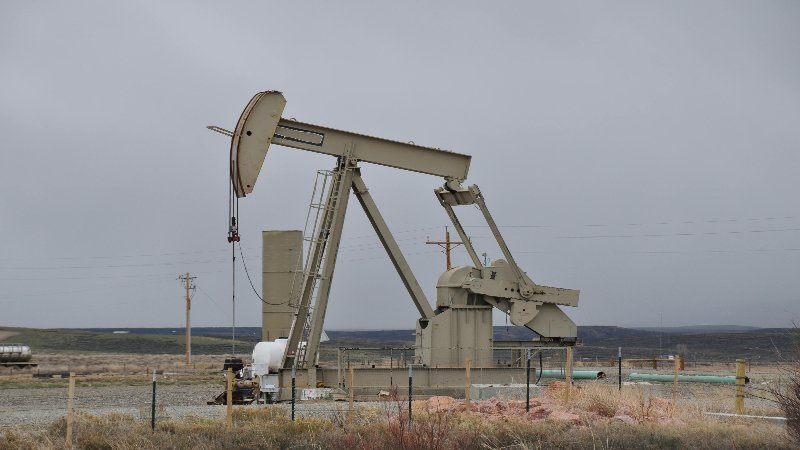
As the oil and gas industry matures, the focus has decisively shifted from production to responsible end-of-life management. Safely and permanently sealing wells after production ceases is no longer optional—it is a technical, environmental, and regulatory imperative. Poorly abandoned wells can act as pathways for fluid migration.
This can lead to methane emissions, groundwater contamination, subsurface pressure communication, and long-term remediation liabilities. These risks can persist for decades or even centuries. To ensure true long-term well integrity, operators must implement rigorous and forward-thinking plug and abandonment (P&A) strategies that remain effective over time.
Modern P&A operations must ensure that each section of the well is fully sealed, structurally sound, and capable of performing reliably over time. With global regulations tightening and societal expectations rising, operators face growing pressure to design abandonment programs that remain effective long after the rig has left the location.
Why Long-Term Well Integrity Matters More Than Ever
Even after production ends, a well remains an artificial penetration through multiple geological formations. Without robust barriers, it can act as a leakage pathway between hydrocarbon-bearing zones, aquifers, and the surface.
Methane emissions from improperly abandoned wells are now recognized as a significant contributor to global greenhouse gas inventories, drawing intense scrutiny from regulators and environmental stakeholders alike.
Beyond environmental risk, inadequate P&A exposes operators to substantial financial liability. Remediation of a single leaking well can cost tens of millions of dollars, while widespread legacy issues—such as those seen in aging onshore basins- can run into billions.
Forward-thinking operators now understand that investing in high-quality P&A upfront is far less expensive than managing long-term failure.
Core Best Practices for Durable Barrier Systems
Long-term well integrity begins with choosing and placing barrier materials that can withstand degradation over geological time scales. While Portland cement remains widely used, the industry increasingly relies on advanced alternatives such as:
- Thermosetting resins
- Bismuth-based alloys
- Geopolymers
- Expanding polymer systems
These materials provide superior resistance to chemical exposure, temperature cycling, shrinkage, and CO₂/H₂S attack—factors that commonly degrade conventional cement.
Material selection must account for downhole conditions, including formation fluids, pressure regimes, temperature gradients, and the well’s operational history. One-size-fits-all designs are no longer acceptable. Each barrier envelope must be engineered for the specific wellbore environment.
Equally important is meticulous wellbore preparation. Tubing, packers, and completion equipment must be retrieved or milled, scale and debris removed, and the casing interior cleaned to ensure optimal bonding. Even small amounts of drilling mud or hydrocarbon films can create micro-annuli that compromise long-term sealing performance.
The Rise of Innovative Plug and Abandonment Solutions
Recent technological advancements have significantly improved the industry’s ability to place and verify permanent barriers. Examples include:
- Section milling + under-reaming to create rock-to-rock barriers, the gold standard for permanent isolation.
- Perforate-wash-cement (PWC) to clean behind casing and access previously unreachable annuli.
- Multi-barrier design philosophies, incorporating multiple independent verified barriers such as surface plugs, intermediate plugs across the caprock and aquifers, deep formation plugs, and rock-to-rock barriers.
Advanced diagnostics are also transforming P&A reliability. Technologies such as high-resolution ultrasonic imaging, noise logging, oxygen activation, distributed temperature sensing, fiber-optic monitoring, and wireless downhole sensors now support real-time and long-term evaluation of barrier performance.
For operators seeking reliable methods to permanently seal and close wells, integrating advanced materials, thorough testing, and multi-layered barriers has proven effective in thousands of wells worldwide.
Companies like Lone Star Gasket offer specialized expertise in sealing solutions, cementing support, and custom-engineered high-performance gaskets designed specifically for well integrity.
Their proven track record ensures barrier reliability, material durability, and long-term performance from day one. Explore their comprehensive plug and abandonment solutions here.
Aligning with Evolving Regulatory and Environmental Standards
Regulatory frameworks worldwide are rapidly advancing. Notable examples include:
- Norway’s NORSOK D-010
- The UK North Sea Transition Authority’s P&A guidelines
- Emerging EU directives emphasizing long-term barrier performance
In the United States, many states are strengthening financial assurance requirements to prevent future P&A liabilities from shifting to taxpayers.
Forward-looking operators are exceeding baseline compliance by adopting “evergreen” P&A designs—barriers intended to remain effective indefinitely. This not only meets today’s standards but also future-proofs wells against increasingly stringent regulations.
Industry Collaboration and Knowledge Sharing
Recognizing the complexity of permanent abandonment, many operators, service companies, and regulators actively participate in joint industry projects and technical working groups. The SPE Plug & Abandonment Technical Section (P&ATS) has emerged as a vital forum for sharing lessons learned, validating new technologies, and developing consensus-based best practices.
Through peer-reviewed papers, workshops, and global collaboration, the P&ATS continues to drive the technical excellence required for sustainable decommissioning.
Conclusion
Excellence in plug and abandonment is no longer just good engineering. It is a cornerstone of responsible energy development. By using better materials, careful well preparation, new placement methods, ongoing checks, and multiple safety barriers, the industry can ensure that wells stay safely sealed for a very long time.
The investments made today in superior P&A design will pay dividends for decades: lower methane emissions, protected freshwater resources, reduced financial liability, and preserved license to operate. In an era where environmental stewardship and operational safety are non-negotiable, improving plug and abandonment practices is not merely best practice; it is an ethical and commercial necessity.
See Also: 10 Essential Tips for Handling Temperature-Controlled Goods to Maintain Product Integrity