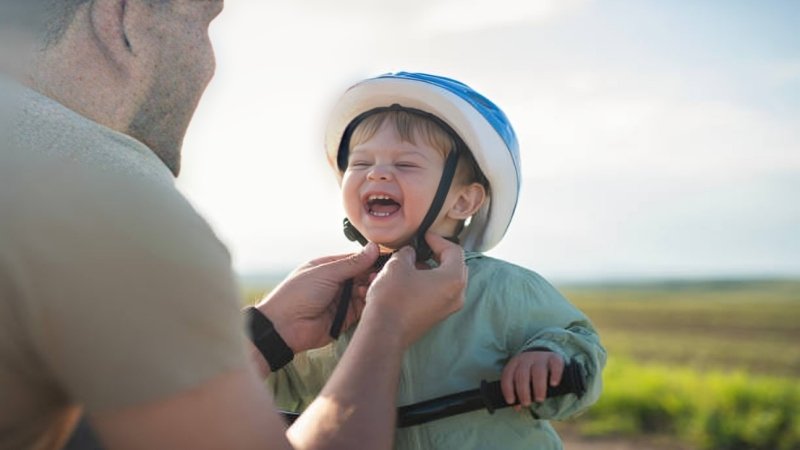
Children often remember safety through people rather than policies. It may be the lunchtime supervisor who notices they have gone quiet, the neighbour who waves each morning, the friend’s parent who speaks gently or the coach who waits until they are ready to join in.
These ordinary adults are not replacing parents, carers or professionals. They are part of the wider human background that tells a child the world contains people who pay attention without making every moment feel like a test.
Safety can be built through small encounters
A child who has had difficult experiences may not immediately trust warmth. What helps is repeated, low-pressure contact. The adult who remembers a name, keeps a promise or notices discomfort without demanding a full explanation can become part of a child’s map of safe people.
For fostering households, that wider map matters. Families asking about Fostering in Nottingham may focus first on the home, but schools, neighbours, relatives and community groups can also influence whether a child feels held by more than one adult.
Safe people also know when not to push. A child may not want to explain why they are upset, where they have been or what has happened at home. An adult who offers steadiness without demanding a story can protect dignity while still making it clear that help exists.
Kindness is often practical
A stranger’s small act can make a difficult moment easier because help is often simple: someone waits, explains, carries a bag, makes room or chooses not to embarrass a child who is already struggling.
Children benefit from kindness that is calm rather than performative. A loud fuss can make them feel watched, while a quiet offer of help lets them keep dignity. That distinction is especially important for children who dislike being singled out.
Practical kindness can also reduce shame. When help is offered quietly, a child can accept it without feeling as though the whole room has been invited to watch.
Volunteers and local adults widen the circle
Regular people can keep community support moving through ordinary volunteering without doing anything dramatic. For children, the regularity is often as important as the act itself.
A librarian who remembers a favourite book, a youth worker who keeps a place open or a club volunteer who checks in after an absence can give a child continuity beyond the household. These relationships do not need to be intense to matter.
Ordinary adults also model fairness. Children notice who is included in games, who is laughed at, who gets a second chance and whether adults keep rules kindly. These everyday observations help shape what a child expects from the wider world.
Ordinary does not mean insignificant
Children’s sense of safety is built from many signals. Some come from professional care, some from family routines and some from the adults who appear at the edges of daily life.
The ordinary people who make children feel safe usually do not think of themselves as remarkable. They keep showing up, speak with care and help create a world in which a child can expect decency more often than surprise.

Lucas is a writer at Magazine Outstanders, with 3 years of experience covering business, technology, health, and lifestyle topics. He specializes in turning complex ideas into clear, well-researched, and engaging articles that keep readers informed and inspired. Driven by curiosity and a passion for storytelling, Lucas strives to deliver content that is accurate, valuable, and easy to connect with.