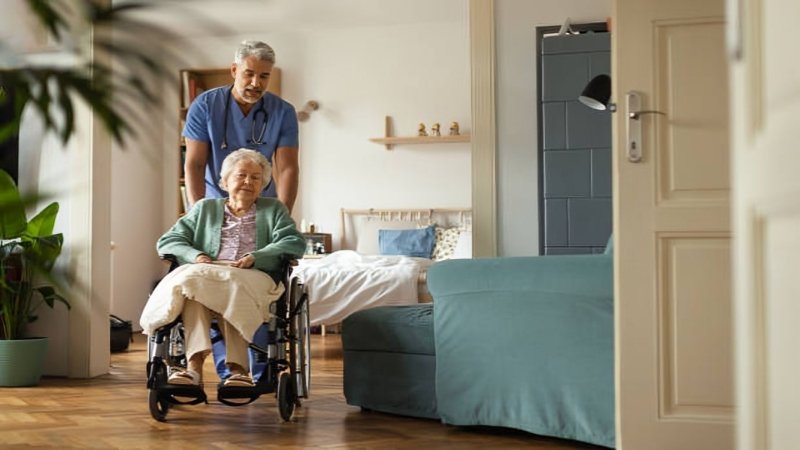
Families are often confronted with the most difficult choices when a loved one begins to age or needs additional care. Deciding between home care and a residential facility can be a daunting task. Both options have their own benefits. Sometimes, the comfort and peace of mind that comes from staying at home is far better than the public alternatives. In this post, we will discuss some scenarios where receiving in-home support can be even more advantageous than transitioning into an assisted living or skilled nursing facility.
Comfort and Familiarity
Staying in their own home provides instant psychological relief. People find a greater degree of security and comfort when they have sights and sounds that are habitual to them. Personal items, memories, and routines can be used to preserve identity. This familiarity may help reduce anxiety, which is a common feeling that can happen when major life changes are taking place. This is the reason why most elderly people prefer in-home care over any other type.
Personalized Attention
The home visitation model often provides a more personalized level of care. With caregivers working with just one individual or a small group, the assistance can be tailored and catered to individual requirements. Client-focused rehabs stand out from all the mismatched patches of a facility because they offer flexible scheduling around the client. Meals, hobbies, and rest times are planned around the client instead of a facility-based routine.
Preserving Independence
Many of us cherish the ability to make daily decisions. Staying at home gives people the option of their own pace and the ability to control their schedule. They may usually get help doing simple things, such as choosing clothes and preparing a meal. Such independence can increase confidence and help the elderly to engage fully in everyday life.
Family Involvement
This care process involves loved ones, as they play an essential part. It also keeps relatives closer, often involved in daily activities and decisions. Visits and shared time at regular intervals can render both the individual and family members assured that everything will be fine. Such engagement deepens connection and creates a nurturing space.
Cost Considerations
Money restrictions can drive care decision-making. The monthly costs for hiring help at home may be far less than paying for residential settings. This can give you more control over costs, as individuals only pay for services that they need. And having more family members step in to help means less overhead as well.
Health and Safety
Staying at home is a better way of maintaining good health, both physical and mental. Avoiding illnesses that can spread in groups is a major advantage. Staying in familiar places can also minimize risk for confusion or disorientation, which can be prevalent in those who experience memory challenges. Professionals can also spot potential safety hazards and make adjustments to prevent accidents.
Flexibility and Customization
Professionals shape care plans to suit changing needs. The need for services can increase or decrease depending on health issues, mobility, or the individual’s preferences. Families have flexibility in choosing the best timing and intensity of support, adjusting as the factors driving them change over time. This allows care to be tailored to the person’s specific context.
Quality of Life
Emotional health usually gets better when people stay in the place they love. Spending time in places they like, for example, gardens or with their pets, can help keep a positive mindset. This feeling of contentment grows with ongoing participation in community activities, whether that entails visits from nearby neighbors or trips to local hotspots.
Privacy and Dignity
It is easier to keep your secrets at home. People decide who the visitors are, the amount of assistance received, and the course of everyday activity. Finding this control gives a layer of protection for dignity and personal boundaries that are often violated in group living.
When Moving May Not Be Necessary
Not every individual needs to move to a residential facility. Remaining at home is safe and beneficial for an individual who has low needs but has a reliable support system. Regular visits from the care provider, along with assistance from family and friends, can provide total support.
Conclusion
Choosing care arrangements takes thought and candid discussion. Receiving support at home offers many the peace, independence, and emotional comfort needed for a higher quality of life. By evaluating health, finances, and obtainable resources, each family can make the determination that is right for their loved one’s happiness and safety.

Lucas is a writer at Magazine Outstanders, with 3 years of experience covering business, technology, health, and lifestyle topics. He specializes in turning complex ideas into clear, well-researched, and engaging articles that keep readers informed and inspired. Driven by curiosity and a passion for storytelling, Lucas strives to deliver content that is accurate, valuable, and easy to connect with.