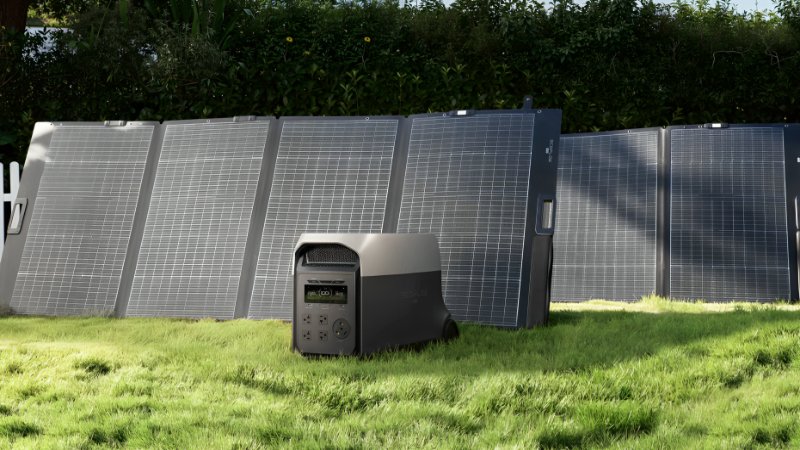
On a clear morning, using a Solar Generator can feel almost effortless. You unfold the solar panels, connect the cables, and quiet, clean energy begins to flow. This simplicity explains the widespread use of solar generators for home backup, outdoor activities, mobile work, and emergency preparedness.
However, years of customer feedback reveal a consistent pattern: most performance issues do not come from the equipment itself but from avoidable operating errors.
Many users approach a Solar Generator as if it were a traditional fuel-powered generator or a simple battery pack. In reality, it combines energy storage, power conversion, and solar charging into one integrated unit.
Proper operation does not require technical expertise, but it does require basic awareness. The sections below address the most common mistakes and explain correct operating practices that help users get safe, stable, and reliable performance.
Getting Familiar with the Solar Generator Before Use
Before putting a Solar Generator into service, one of the most common mistakes occurs. Some users skip the initial setup process and immediately connect solar panels or appliances without reviewing key specifications such as output limits, supported inputs, and charging recommendations.
A new Solar Generator should be fully charged before extended use. While a partial factory charge is standard, starting from full capacity allows the battery system to stabilise and gives users a clear understanding of real-world runtime. Skipping this step often leads to confusion about performance.
Using improper cables or unverified accessories is another early mistake. Correct operation always begins with compatible connections, which help ensure stable charging and accurate power delivery from the Solar Generator.
Common Charging Errors and How to Avoid Them
Misunderstandings about charging constitute a significant source of frustration. A frequent issue is placing solar panels in areas with partial shade while expecting full charging performance. Even limited shading can significantly reduce energy input to a Solar Generator.
Panel positioning also matters. Solar panels perform best when angled toward direct sunlight and adjusted during the day if possible. Panels laid flat or placed behind glass often lead users to believe the generator is underperforming, when the limitation is actually solar exposure.
Some users also attempt to combine charging methods incorrectly. While many systems allow both solar and wall charging, it is important to follow recommended procedures to avoid unstable input conditions that can limit charging efficiency.
Managing Power Loads on a Solar Generator
Load management is another area where mistakes are common. Users often focus on battery capacity while overlooking inverter output limits. A Solar Generator may have sufficient stored energy, yet still shut down if connected devices exceed its rated output.
Devices with high startup demand, such as refrigerators or pumps, are especially misunderstood. Even if the device runs smoothly afterwards, the temporary surge may exceed its output limits. When shutdowns occur, the Solar Generator is usually responding to protect itself.
Correct operation involves spreading power usage over time and prioritising essential devices. This approach helps maintain stable output and extends usable runtime.
Environmental Conditions That Affect Operation
Environmental factors are often underestimated. Operating a Solar Generator in extreme heat or cold can affect both charging and output performance. High temperatures may reduce efficiency, while freezing conditions can temporarily limit available power.
Ventilation is equally important. Blocking airflow around the unit can raise internal temperatures, triggering protective shutdowns. Proper placement ensures the Solar Generator operates within its designed range.
Exposure to moisture is another common issue. Although many units are designed for outdoor use, they are not waterproof. Keeping the generator dry helps maintain safety and consistent performance.
Proper Storage and Care for the Solar Generator
Storage habits have a direct impact on long-term reliability. One frequent mistake is storing a Solar Generator at a very low charge for extended periods. Batteries perform best when stored at a moderate charge level rather than completely depleted.
Periodic maintenance is essential but straightforward. Occasional recharging, checking cables, and keeping ventilation areas clean all help preserve performance. These small actions ensure the Solar Generator remains ready for use when needed.
Neglecting storage guidelines often leads to reduced capacity or unexpected behaviour. Proper care supports consistent operation over time.
Understanding Output Ports and Power Types
Misuse of output ports is another avoidable issue. It typically offers multiple output options, each designed for different device types. Using the wrong port or unnecessary adapters can reduce efficiency.
For example, powering low-voltage devices through AC adapters introduces extra energy loss. Using direct USB or DC outputs when appropriate helps extend runtime and improve overall efficiency.
Each output port may also have its rating. Understanding these limits helps users avoid overload and ensures smooth operation.
Reliable Operation of a Solar Generator Through Good Habits
Solar Generators are designed to provide dependable, quiet power, but real-world performance depends on correct use. Users typically attribute most issues to charging habits, load management, or environmental factors, not equipment failure.
By following basic operating practices—proper charging, thoughtful power use, appropriate storage, and environmental awareness—users can expect consistent performance from their Solar Generator. These habits are easy to adopt and make a noticeable difference.
When operated correctly, a Solar Generator becomes a trusted source of energy rather than an occasional backup. With clear understanding and proper care, it delivers stable power whenever and wherever it is needed.

Lucas is a writer at Magazine Outstanders, with 3 years of experience covering business, technology, health, and lifestyle topics. He specializes in turning complex ideas into clear, well-researched, and engaging articles that keep readers informed and inspired. Driven by curiosity and a passion for storytelling, Lucas strives to deliver content that is accurate, valuable, and easy to connect with.